
What Happens When You're Stopped Without Insurance in Tennessee
Tennessee law permits an officer to impound your vehicle immediately when you cannot provide proof of insurance at a traffic stop. The officer has discretion: if you produce electronic proof on your phone or show that coverage lapsed recently and you're arranging reinstatement, many officers issue a citation and let you drive away. If you have no proof and no explanation, the car can be towed from the roadside.
The impoundment decision hinges on three factors: whether you can produce any form of proof during the stop, whether the lapse appears intentional or recent, and whether the officer believes you pose ongoing risk. A driver with insurance that lapsed two days ago and proof of a new quote often avoids tow. A driver with months of uninsured driving and no current coverage plan faces immediate impoundment.
Compare car insurance rates in your state
Get quotes from licensed carriers — no obligation, no spam, results in minutes.
Get Your Free QuoteTennessee Uninsured Motorist Rate
21.3%
More than one in five Tennessee drivers operates without insurance, one of the highest uninsured rates in the country. This elevated rate drives strict enforcement and officer discretion at traffic stops.
Insurance Research Council, 2023
Tennessee's Uninsured Motorist Enforcement Framework
Tennessee requires every driver to carry minimum liability coverage: $25,000 per person for bodily injury, $50,000 per accident for bodily injury, and $25,000 for property damage. Proof of insurance must be available during any traffic stop, either as a physical card or electronic display on your phone. The Tennessee Department of Safety accepts both formats as valid proof.
When you cannot produce proof, the officer may issue a citation under T.C.A. 55-12-139 for failure to provide financial responsibility. The citation carries a fine and triggers a license suspension process through the Department of Safety. The officer also has statutory authority to impound the vehicle under T.C.A. 55-50-504 when the driver cannot demonstrate current coverage.
The suspension process begins administratively: the Department of Safety receives notice of the citation and initiates suspension unless you provide proof of insurance within a set window. The reinstatement fee is $65, and you must file SR-22 to restore driving privileges. The SR-22 filing requirement has no fixed duration published by the state; it typically runs until the Department of Safety confirms compliance and releases the filing obligation.
Tennessee officers can tow your car from the roadside when you cannot prove insurance at the stop. Electronic proof on your phone counts — use it.
How to Prevent Impoundment at the Traffic Stop
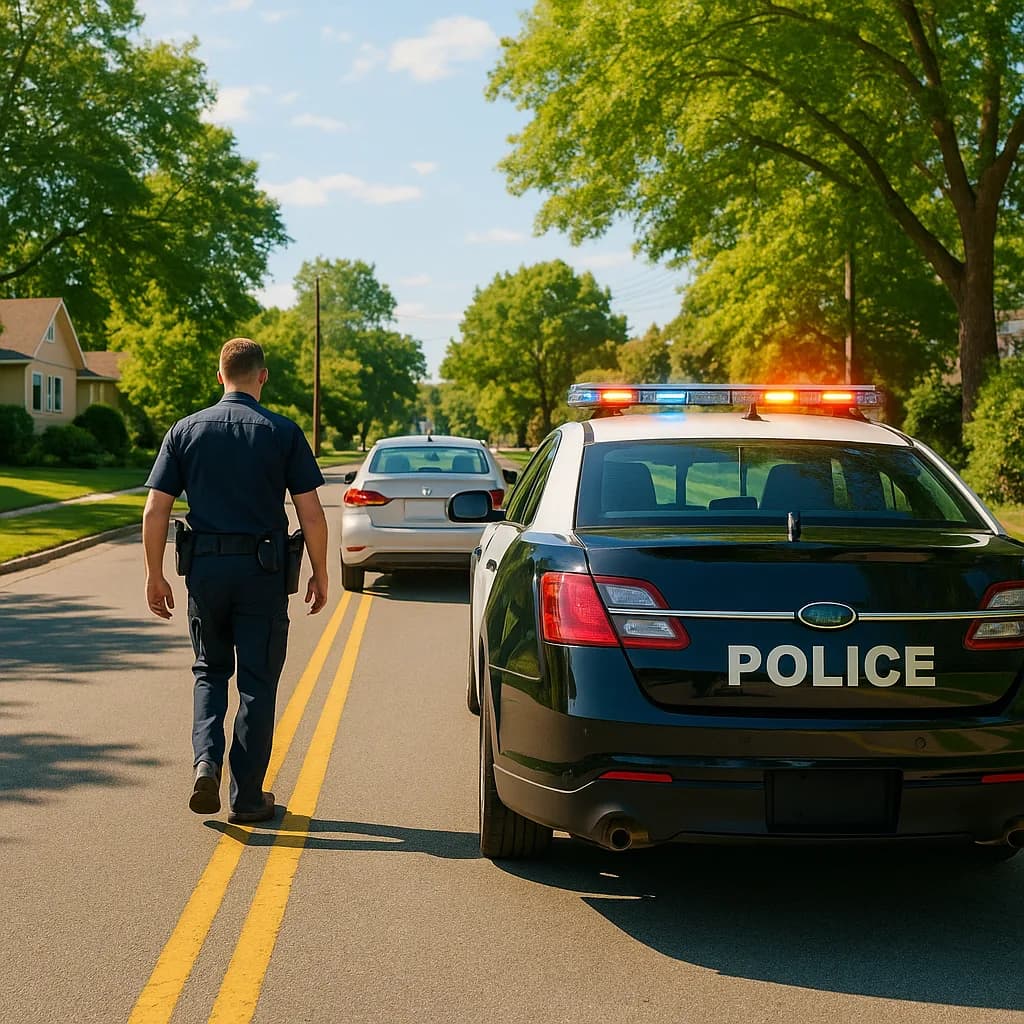
Produce electronic proof from your phone if you have it. Tennessee law recognizes electronic proof as valid, and most officers accept a carrier app display or emailed policy declaration. If your coverage lapsed recently and you have a new quote or pending application, show that to the officer. Many officers exercise discretion when they see active effort to reinstate coverage, especially if the lapse is measured in days rather than months.
If you have no current proof but know your policy number or carrier, call the carrier on speaker during the stop and ask them to confirm coverage dates. Some officers will verify coverage through their own dispatch system when you provide a policy number. If the officer confirms coverage through dispatch, the impoundment risk drops significantly. If you cannot produce any proof and have no policy number, explain when coverage lapsed and what you're doing to reinstate it. Honesty about a recent lapse often results in a citation without tow, while evasion or claiming coverage you don't have increases impoundment likelihood.
Related Articles





What Happens After Impoundment
When the officer impounds your vehicle, it goes to a contracted tow lot. You receive a receipt with the lot's name, address, and phone number. The lot charges daily storage fees that begin accruing immediately. To recover the vehicle, you must provide proof of current insurance, pay the tow and storage fees, and in some cases show proof of ownership.
If you cannot produce insurance within a few days, the fees accumulate quickly. Most lots require payment in full before releasing the vehicle. Some accept payment plans, but that's at the lot's discretion, not a legal requirement.
You must obtain insurance before recovering the car. Walk into any carrier office or apply online, pay the first month's premium, and request immediate proof of insurance. Carriers writing high-risk and uninsured-driver coverage in Tennessee include Direct Auto, The General, Acceptance Insurance, Dairyland, Bristol West, GAINSCO, and Progressive. Many offer same-day coverage and electronic proof. Once you have proof, take it to the lot along with your driver's license and vehicle registration. The lot releases the car after you pay all fees.
Tennessee License Reinstatement Fee
$65
After a citation for driving without insurance, Tennessee suspends your license administratively. The reinstatement fee is $65, and you must file SR-22 to restore driving privileges. Reinstatement processing takes approximately 5 business days after the Department of Safety receives proof of insurance and the fee.
Tennessee Department of Safety and Homeland Security
Reinstating Your License After an Uninsured Citation
The citation for driving without insurance triggers an administrative license suspension. You receive notice from the Department of Safety listing the suspension effective date and reinstatement requirements. To reinstate, you must obtain insurance, file SR-22, and pay the $65 reinstatement fee. The SR-22 filing is a certificate your carrier submits to the Department of Safety confirming you carry at least minimum liability coverage.
Most carriers writing high-risk coverage in Tennessee file SR-22 electronically the same day you purchase the policy. Once the Department of Safety receives the SR-22 and your reinstatement fee, processing takes approximately 5 business days. You cannot drive legally until the Department of Safety confirms reinstatement and your license status shows active.
Compare Carriers That Write Uninsured-Driver Coverage in Tennessee
Tennessee has 26 carriers writing auto insurance in the state, and many specialize in coverage for drivers with lapses, citations, or suspensions. Direct Auto, The General, Acceptance Insurance, Dairyland, Bristol West, GAINSCO, Elephant, and Progressive all write policies for drivers recovering from uninsured citations. Rates vary significantly by carrier, and the lowest rate often comes from a non-standard carrier rather than a preferred-tier brand.
Request quotes from at least three carriers. Provide accurate information about your citation, suspension, and driving history. The difference reflects each carrier's risk model and appetite for uninsured-driver business. Compare the monthly premium, the SR-22 filing fee, and whether the carrier files electronically. Electronic filing reaches the Department of Safety faster and reduces your time without a valid license.