Updated July 2026
What Is Full Coverage Car Insurance Insurance?
Full coverage car insurance is an industry term for a policy that includes liability, collision, and comprehensive coverage together. Liability pays for damage you cause to others. Collision pays to repair your vehicle after an accident regardless of fault. Comprehensive pays for non-collision damage like theft, hail, vandalism, or hitting a deer.
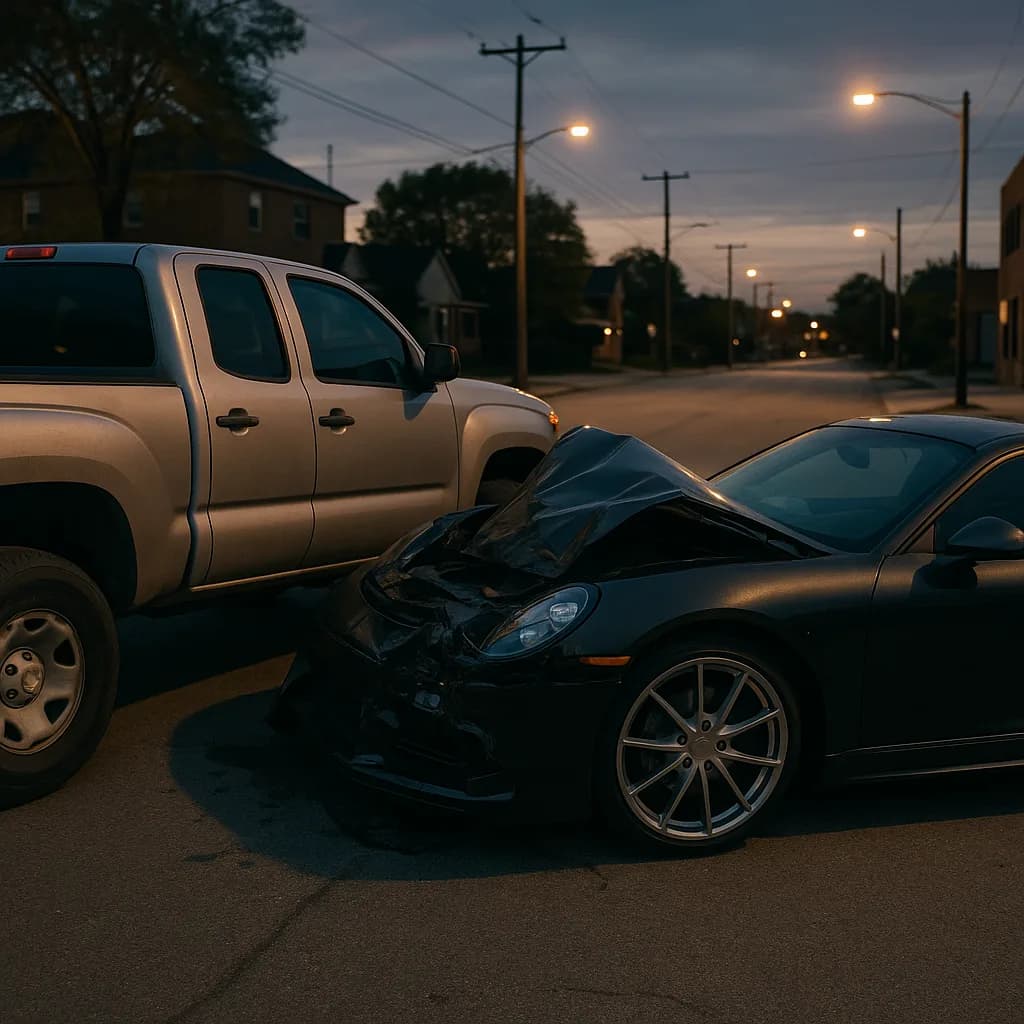
- You rear-end another car at a stoplight. The other driver has $8,000 in vehicle damage and $4,000 in medical bills. Your car has $6,500 in front-end damage. Liability coverage pays the other driver's $12,000 in expenses up to your policy limits. Collision coverage pays your $6,500 repair bill minus your deductible. Without collision, you pay the full $6,500 out of pocket.
- A severe hailstorm causes $4,200 in dents and broken glass across your vehicle. Comprehensive coverage pays the full repair cost minus your deductible. Liability and collision do not apply because no accident occurred and no other party was involved. Drivers with liability-only coverage receive nothing and pay the full $4,200 themselves.
- Your car is stolen from a parking lot and never recovered. The vehicle's actual cash value is $18,000. Comprehensive coverage pays you $18,000 minus your deductible, allowing you to replace the car. Without comprehensive, you lose the entire vehicle value and still owe your lender if you have a loan.
Who Needs Full Coverage Car Insurance Insurance?
Full coverage is necessary if you have a car loan or lease because lenders require it to protect their collateral. It is also worth carrying if your vehicle is worth more than $4,000 and you cannot afford to replace it out of pocket after a total loss. Drivers in areas with high rates of hail, flooding, or vehicle theft benefit from comprehensive coverage even on older cars.
Calculate your car's current market value and compare it to two years of full coverage premiums plus your deductible. If the total cost exceeds the car's value, switch to liability-only and set aside the premium savings in an emergency fund. Keep full coverage as long as you owe money on the vehicle or cannot afford to replace it without insurance.
How Much Does Full Coverage Car Insurance Insurance Cost?
Full coverage in Tennessee typically adds $95 to $180 per month compared to liability-only policies, with annual premiums ranging from $1,140 to $2,160 depending on vehicle value and deductible selections.
- Vehicle value and replacement cost — newer and more expensive cars cost more to insure because collision and comprehensive payouts are higher.
- Deductible amount — choosing a $1,000 deductible instead of $250 can reduce premiums by 25 to 40 percent.
- Driving record — at-fault accidents and speeding tickets increase full coverage rates more than liability-only rates because the carrier assumes higher collision claim risk.
- Zip code claim frequency — areas with higher rates of theft, vandalism, or weather damage see higher comprehensive premiums.
- Credit-based insurance score — Tennessee allows carriers to use credit history in pricing, and full coverage premiums are more sensitive to credit score than liability premiums.
- Annual mileage — drivers who commute long distances or drive more than 15,000 miles per year face higher collision risk and pay more for full coverage.