
What Drives the Cost When You Insure Multiple Cars in Tennessee
You own two or three vehicles, you need Tennessee-compliant coverage on each, and you want to know what the total policy costs before you commit. The answer depends on how carriers structure multi-car policies: every vehicle on the policy is re-rated when you add or remove one, the multi-car discount applies only when every vehicle sits on the same policy, and Tennessee's $25,000/$50,000/$25,000 state minimum liability requirement applies per vehicle, not per policy.
This article walks through what determines the combined premium when you insure multiple vehicles in Tennessee, how the multi-car discount works and what it requires, and how to compare carriers that write policies for households with two or more cars.
Compare car insurance rates in your state
Get quotes from licensed carriers — no obligation, no spam, results in minutes.
Get Your Free QuoteTennessee Average Annual Auto Expenditure Per Vehicle
$936.15
Tennessee drivers paid an average of $936.15 per insured vehicle in 2023, according to state insurance statistics. This figure reflects single-vehicle policies and does not account for multi-car discounts, which reduce the per-vehicle cost when multiple cars share one policy.
NAIC Auto Insurance Database Report 2023
Tennessee Requires Liability Coverage on Every Vehicle You Own
Tennessee law requires every registered vehicle to carry at minimum $25,000 bodily injury per person, $50,000 bodily injury per accident, and $25,000 property damage liability. These minimums apply per vehicle: if you own three cars, each must meet the $25,000/$50,000/$25,000 floor, whether they sit on one policy or three separate policies.
A multi-car policy does not reduce the per-vehicle coverage requirement. The multi-car discount reduces the premium, not the mandated limits. When you add a second vehicle to an existing policy, the carrier re-rates both vehicles together and applies the discount to the combined premium.
Tennessee does not require personal injury protection or uninsured motorist coverage, but carriers often include uninsured motorist as a default add-on unless you decline it in writing. When comparing multi-car quotes, confirm whether the quote includes uninsured motorist and whether you can remove it to lower the total cost.
The multi-car discount applies only when every vehicle you own sits on the same policy and shares the same garaging address.
How the Multi-Car Discount Works in Tennessee
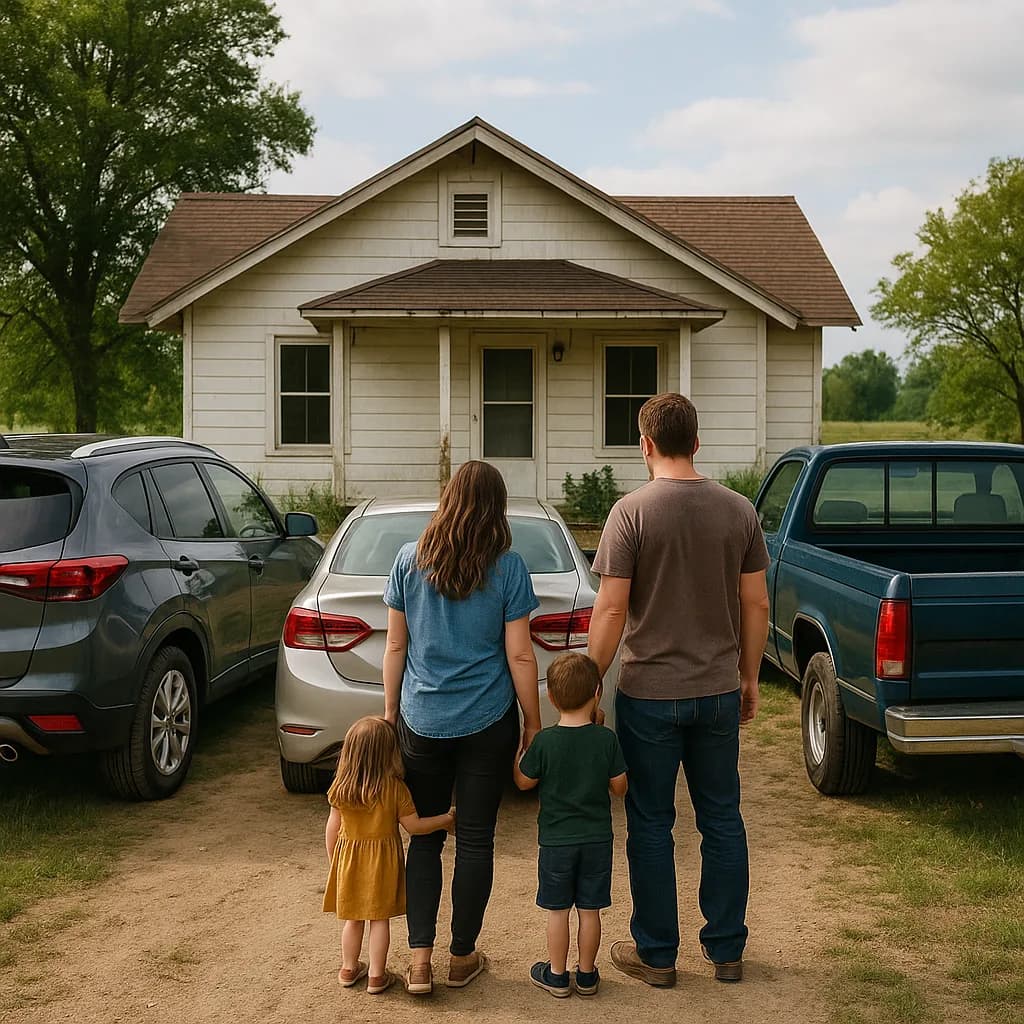
Most Tennessee carriers require every vehicle on the policy to be garaged at the same address and titled to household members. A vehicle titled to someone outside the household, or garaged at a different address, typically does not qualify for the same-policy discount. When you add a second vehicle, the carrier re-rates both vehicles as a package and applies the discount to the combined premium. The discount does not appear as a separate line item on most policies; it is built into the per-vehicle rate.
Adding a third or fourth vehicle continues the same pattern: the carrier re-rates every vehicle on the policy and applies the multi-car discount to the total. A smaller discount on a lower base rate can produce a lower combined premium than a larger discount on a higher base rate, so comparing total policy cost across carriers matters more than comparing discount percentages. Tennessee carriers writing multi-car policies include State Farm, GEICO, Progressive, Allstate, Nationwide, Farmers, Liberty Mutual, and USAA.
Related Articles





What Happens When You Add a Vehicle Mid-Term
Adding a vehicle to an existing Tennessee policy triggers a mid-term re-rating. The carrier recalculates the premium for every vehicle on the policy, applies the multi-car discount to the new total, and issues an endorsement with the adjusted premium. You pay the prorated difference for the remainder of the term.
Most carriers provide a grace period during which a newly-purchased vehicle is covered under your existing policy without formal notification, typically 14 to 30 days. After the grace period expires, an unreported vehicle can be denied at claim time. Contact your carrier within the grace window to add the vehicle formally and lock in the multi-car discount.
If the newly-added vehicle is financed, the lender will require proof of comprehensive and collision coverage in addition to Tennessee's liability minimum. The lender sends a verification request to your carrier; if the carrier cannot confirm coverage, the lender may force-place insurance at a higher cost and bill you for it.
Tennessee Uninsured Motorist Rate
21.3%
21.3% of Tennessee motorists drove without insurance in 2023, one of the highest uninsured rates in the country. Uninsured motorist coverage protects you when an at-fault driver has no liability policy. Many carriers include it by default on multi-car policies.
Insurance Research Council 2023
Comparing Carriers That Write Multi-Car Policies in Tennessee
Tennessee has 26 carriers writing multi-car policies statewide. Carriers differ in how they calculate the multi-car discount, how they handle mid-term additions, and whether they require every vehicle to be titled to the same person. State Farm, GEICO, and Progressive write the largest volume of multi-car policies in Tennessee and offer online quoting tools that let you model different vehicle combinations before you commit.
When comparing quotes, request the total policy premium for all vehicles combined, not the per-vehicle breakdown. A carrier quoting a lower per-vehicle rate on the first car may quote a higher rate on the second or third, producing a higher combined total. Confirm whether the quote includes uninsured motorist coverage and whether you can decline it to reduce cost. Confirm the garaging-address requirement: some carriers allow vehicles garaged at different addresses within the same household, others do not.
Get a Multi-Car Quote That Reflects Your Actual Household
The best way to understand what a multi-car policy costs in Tennessee is to request quotes from at least three carriers that write policies for households with multiple vehicles. Provide the same vehicle details, driver information, and coverage selections to each carrier so the quotes are comparable. Use the comparison tool on this site to request quotes from Tennessee carriers writing multi-car policies, or contact carriers directly through their online quoting systems.