
Why Per-Car Rate Comparisons Miss the Real Cost
You own two or three cars, you need Tennessee's $25,000 per person / $50,000 per accident / $25,000 property damage minimum liability on each one, and you are comparing carriers by their advertised per-vehicle rate. That comparison breaks the moment you add a second car to the policy, because carriers do not price multi-vehicle policies by multiplying a per-car rate. They apply a multi-car discount to a base rate structure, and the carrier with the lowest single-car rate often does not offer the steepest multi-car discount or the lowest combined premium once you add vehicles two and three.
The structural reality: minimum-coverage households with multiple vehicles pay less by comparing total household premium across carriers than by chasing the lowest advertised per-car rate. A carrier charging a higher base rate but offering a larger multi-car discount can beat a carrier with a lower base rate and a smaller discount once you add the second and third vehicle. The math flips, and the carrier that looked cheapest for one car becomes the most expensive for three.
Compare car insurance rates in your state
Get quotes from licensed carriers — no obligation, no spam, results in minutes.
Get Your Free QuoteTennessee Average Annual Auto Expenditure
$936.15
Tennessee drivers paid an average of $936.15 per insured vehicle in 2023, but that figure blends full-coverage and minimum-coverage policies across single-car and multi-car households. Your actual cost depends on how many vehicles sit on your policy and which carrier writes your household.
NAIC Auto Insurance Database Report 2023
What Tennessee Minimum Coverage Actually Requires
Tennessee law requires every registered vehicle to carry at least $25,000 bodily injury liability per person, $50,000 bodily injury liability per accident, and $25,000 property damage liability. That is the floor. You can buy more, but you cannot register or legally drive with less. Tennessee does not mandate personal injury protection or uninsured motorist coverage, so minimum coverage in this state means liability only.
When you insure multiple vehicles, each car on the policy must meet that $25,000/$50,000/$25,000 minimum. The multi-car discount reduces your total premium, but it does not reduce the per-vehicle coverage requirement. Every car carries the same liability floor regardless of how many vehicles share the policy.
Proof of insurance in Tennessee means an insurance card showing your policy number, coverage dates, and the vehicle identification number for each insured car. The state accepts electronic proof, but the coverage must be active and meet the statutory minimum at the time you present it. A lapsed policy or a card showing coverage below the $25,000/$50,000/$25,000 threshold will not satisfy a traffic stop or registration renewal.
A smaller multi-car discount on a lower base rate can cost more than a larger discount on a higher base once you add the third vehicle.
How Carriers Structure Multi-Car Minimum Coverage
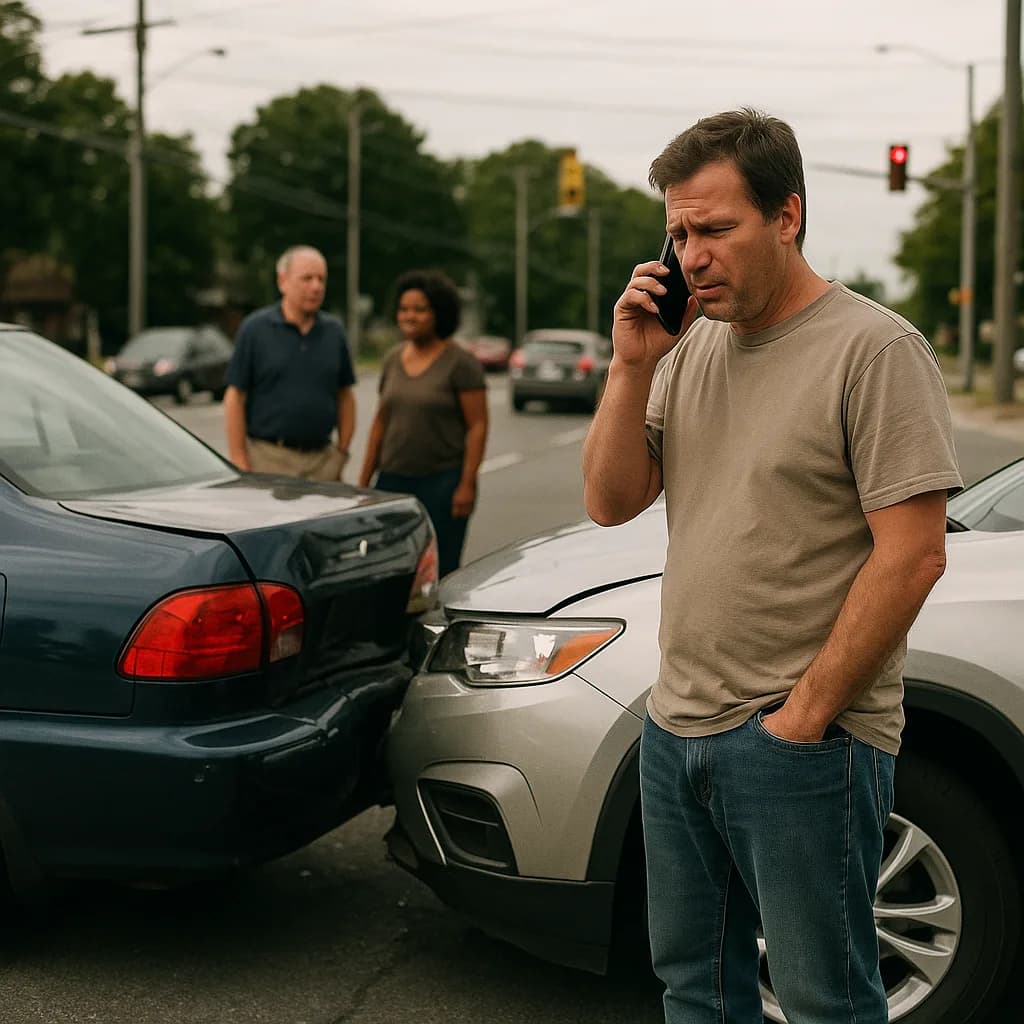
Most carriers apply the multi-car discount as a percentage reduction to the total premium after rating each vehicle individually. A carrier might rate your first car at one base premium, rate your second car at a slightly lower base because it shares the policy, then apply a 10 to 25 percent discount to the combined total. Another carrier might rate each vehicle at the same base but apply a steeper discount once you cross two vehicles. A third might build the multi-car savings into the base rate structure and advertise no explicit discount at all. The advertised discount percentage tells you nothing about the final premium without seeing the base rate it applies to.
The structural trap: you compare two carriers, one advertises a 20 percent multi-car discount and the other advertises 10 percent, you assume the 20 percent discount wins, but the carrier with the 10 percent discount started with a base rate 30 percent lower and ends up cheaper after the discount. The only number that matters is the total household premium after all discounts apply, not the size of any single discount or the per-car rate before discounts.
Related Articles






Which Carriers Write Tennessee Minimum Coverage for Multiple Vehicles
Tennessee's carrier roster includes 28 insurers writing auto policies in the state, and most write minimum-coverage policies for multi-vehicle households. Tennessee's standard and non-standard carriers both write minimum liability, but non-standard carriers typically charge higher base rates and offer smaller multi-car discounts because they specialize in high-risk drivers rather than multi-vehicle households. Standard carriers writing Tennessee minimum coverage include State Farm, Geico, Progressive, Allstate, Nationwide, Farmers, and Liberty Mutual. Non-standard carriers include The General, Direct Auto, Bristol West, Dairyland, and GAINSCO.
The distinction matters because a household with clean driving records shopping minimum coverage to keep costs low will almost always pay less with a standard carrier than with a non-standard carrier, even when the non-standard carrier advertises a lower per-car rate. Non-standard carriers price for risk, and their base rates reflect that. Standard carriers price for volume and household retention, which is why their multi-car discounts tend to be steeper and their combined premiums lower for households that qualify.
When you request quotes, ask each carrier for the total household premium with all vehicles on one policy, not the per-vehicle breakdown. The per-vehicle number is useful for understanding how the carrier allocated cost across your cars, but it does not tell you which carrier is cheapest for your household. The total premium after the multi-car discount applies is the only figure that matters for comparison.
Tennessee Uninsured Motorist Rate
21.3%
21.3 percent of Tennessee drivers carried no insurance in 2023, which means roughly one in five vehicles on the road operates without coverage. Minimum liability protects you from legal penalties but does not cover your own vehicle or injuries if an uninsured driver hits you. Adding uninsured motorist coverage costs more than minimum liability alone but closes that gap.
Insurance Research Council, 2023
When Minimum Coverage Is Not the Cheapest Long-Term Option
Minimum liability covers the other driver's injuries and property damage up to Tennessee's $25,000/$50,000/$25,000 limits, but it does not cover your own vehicle or your own injuries. If you finance any of the cars on your policy, the lender requires collision and comprehensive coverage, which means minimum liability is not an option for those vehicles. If you own all your vehicles outright and their combined value is low enough that you can afford to replace them without insurance, minimum coverage keeps your premium as low as legally possible. If losing one or more of those vehicles would create a financial problem, you are self-insuring the asset risk to save on premium, and that trade-off does not always pencil.
Whether that trade-off makes sense depends on the combined value of the vehicles you are self-insuring and how quickly you could replace one without disrupting your household's transportation.
Compare Total Household Premium, Not Per-Car Rates
Request quotes from at least three carriers writing Tennessee minimum coverage for multi-vehicle policies. Provide the same vehicle details, driver details, and coverage selections to each carrier so the quotes reflect identical coverage. Ask each carrier for the total annual or monthly premium with all vehicles on one policy and the multi-car discount already applied. Do not compare the per-car breakdown or the advertised discount percentage. Compare the final total household premium after all discounts.
The carrier with the lowest total household premium is the cheapest for your household, regardless of which carrier advertised the steepest discount or the lowest per-car rate. That total premium is the only figure that determines what you pay, and it is the only figure worth comparing. Once you identify the cheapest carrier for your household, confirm that every vehicle meets Tennessee's $25,000/$50,000/$25,000 minimum and that the policy start date aligns with your registration or current policy expiration so you do not create a coverage gap.