
Finding Low-Cost Coverage for Multiple Vehicles in Tennessee
You own two or more vehicles in Tennessee and you need to insure all of them without overpaying. You have seen advertised rates for single-car policies, but you cannot tell whether adding a second or third vehicle to one policy costs less than keeping separate policies, or how the multi-car discount changes the math. You need to understand which carriers write the lowest combined premium for your household and what structuring your coverage on one shared policy actually requires.
Tennessee requires $25,000 bodily injury per person, $50,000 bodily injury per accident, and $25,000 property damage per vehicle. Every car you own must meet these minimums to register and drive legally. The question is not whether you need coverage — the question is how to structure it across multiple vehicles so you pay the lowest total premium without leaving any car underinsured or uninsured.
Compare car insurance rates in your state
Get quotes from licensed carriers — no obligation, no spam, results in minutes.
Get Your Free QuoteTennessee Uninsured Motorist Rate
21.3%
More than one in five Tennessee drivers carries no insurance. When you insure multiple vehicles, uninsured motorist coverage protects every car and every household member on the policy if an uninsured driver hits any of your vehicles.
Insurance Information Institute, 2023
The Multi-Car Discount Requires One Shared Policy
The multi-car discount applies when you insure two or more vehicles on the same policy with the same carrier. It does not apply when you hold separate policies for each vehicle, even if those policies are with the same carrier and cover the same household address. The discount is a policy-level product: every vehicle must sit on one shared policy to qualify.
Most carriers require that every vehicle on the multi-car policy be garaged at the same address and titled to members of the same household. A vehicle titled to someone outside your household — a roommate, an adult child who moved out, or a relative who lives elsewhere — typically does not qualify for the same-policy discount. If you are combining vehicles after marriage or a household move, verify with the carrier that every vehicle meets the same-policy and same-address requirements before you merge the policies.
When you add a vehicle to an existing policy, the carrier re-rates the entire policy rather than simply adding a flat amount for the new car. The multi-car discount applies to the combined premium, but the new total reflects updated risk across all vehicles. A newly-added vehicle with higher liability exposure or a driver with recent violations can raise the premium on every car on the policy, not just the one being added.
Separate policies for each vehicle do not qualify for the multi-car discount, even when held with the same carrier at the same address.
Carriers Writing Multi-Car Policies in Tennessee
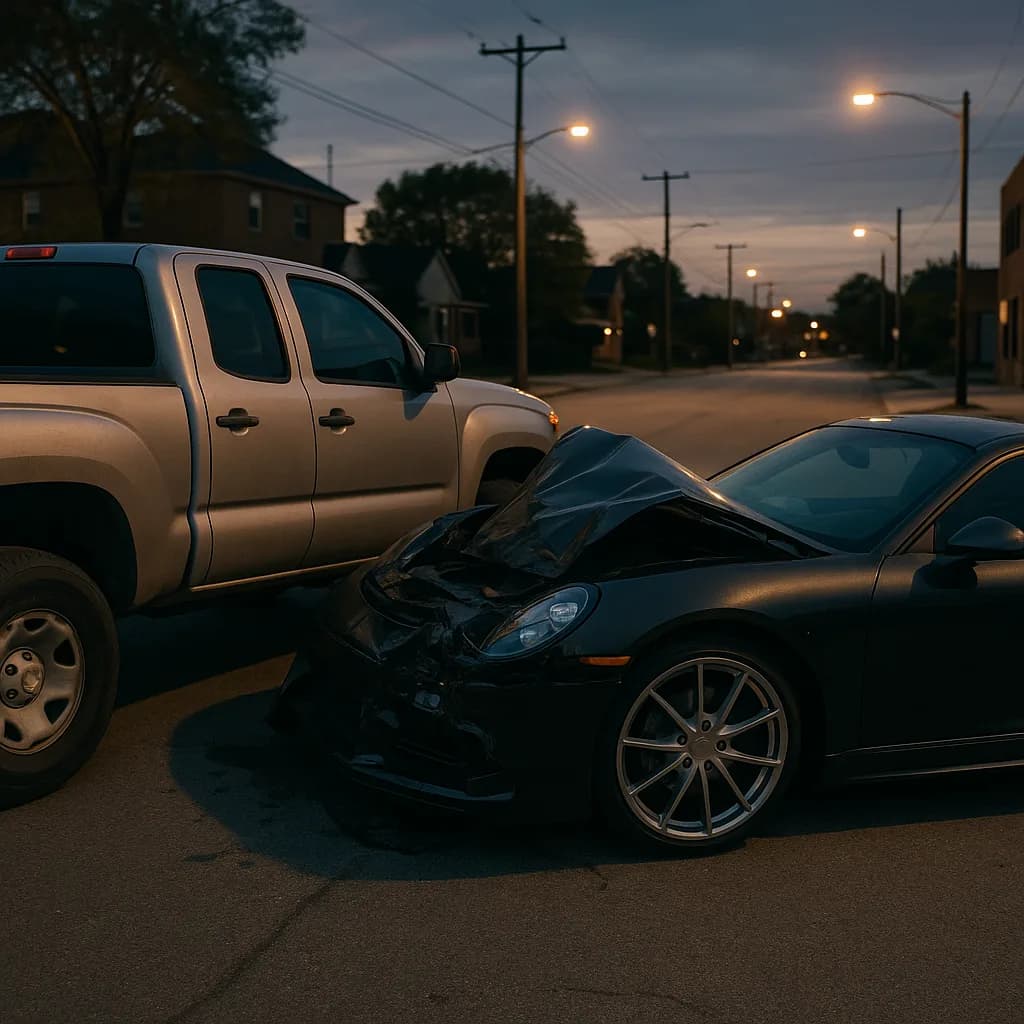
Standard-tier carriers — Geico, State Farm, Progressive, Allstate, Nationwide, Farmers, Liberty Mutual, Travelers, and The Hartford — write multi-car policies for households with clean driving records and vehicles that meet underwriting guidelines. These carriers typically offer the multi-car discount and allow you to add multiple vehicles to one policy online or through an agent. If every driver in your household has a clean record and every vehicle is a standard passenger car or light truck, start your comparison with these carriers.
Non-standard carriers — Direct Auto, The General, Bristol West, Dairyland, Acceptance, GAINSCO, and National General — write multi-car policies for households where one or more drivers has recent violations, a suspended license, or a lapse in coverage. These carriers structure multi-car policies differently: some apply the discount to the combined premium, others price each vehicle separately and sum the totals without a discount. If any driver in your household has a DUI, multiple tickets, or a recent suspension, compare non-standard carriers that write multi-car policies explicitly for high-risk households.
Related Articles






How Adding Vehicles Re-Rates the Policy
When you add a vehicle mid-term to an existing policy, the carrier recalculates the premium for the entire policy effective the date you add the car. You do not pay a prorated amount for the new vehicle alone — the carrier re-rates every vehicle on the policy and issues a new total premium. The multi-car discount applies to the recalculated total, but the new premium reflects updated risk across all vehicles and all drivers listed on the policy.
Most carriers provide a grace period — typically 14 to 30 days — during which a newly-purchased vehicle is automatically covered under your existing policy at the same coverage levels as your other cars. You must report the new vehicle to the carrier within that window and pay the adjusted premium. If you miss the grace window and do not report the vehicle, the carrier can deny a claim on the unreported car even if your other vehicles remain insured.
If you are buying a second or third vehicle and you want to know the new combined premium before you finalize the purchase, contact your current carrier with the VIN and ask for a re-rate quote. The carrier will calculate the new total premium with the multi-car discount applied. Compare that combined premium against quotes from other carriers writing multi-car policies to confirm you are getting the lowest rate for your household.
Tennessee Average Annual Auto Expenditure Per Vehicle
$936.15
Tennessee drivers paid an average of $936.15 per insured vehicle in 2023. Households insuring multiple vehicles on one policy typically pay less per vehicle than this average due to the multi-car discount, but the combined premium depends on the number of vehicles, drivers, coverage levels, and each driver's record.
NAIC Auto Insurance Database Report, 2023
Comparing Carriers for Your Household
The lowest combined premium for your household depends on how each carrier prices the specific combination of vehicles, drivers, and coverage levels you need. A carrier that writes the lowest rate for a single vehicle may not write the lowest combined rate for three vehicles with two drivers. The multi-car discount percentage varies by carrier, and a smaller discount on a lower base rate can produce a lower combined premium than a larger discount on a higher base rate.
Request quotes from at least three carriers that write multi-car policies in Tennessee. Provide the same vehicle details, driver information, and coverage levels to every carrier so you can compare combined premiums directly. Verify that every quote includes the multi-car discount and that every vehicle you own is listed on the same policy. A quote that prices vehicles separately without applying the discount is not a valid multi-car comparison.
Structure Your Multi-Car Policy Now
You need Tennessee-minimum liability coverage on every vehicle you own, and you need to know which carrier writes the lowest combined premium for your household. Compare carriers writing multi-car policies, verify that every vehicle qualifies for the same-policy discount, and confirm the combined premium before you bind coverage. The multi-car discount applies only when every vehicle sits on one shared policy — separate policies cost more and leave you without the discount you are trying to capture.