
Choosing Full Coverage for Multiple Vehicles in Tennessee
You own two or more vehicles in Tennessee and you're deciding which carrier to use for full coverage across all of them. The state requires only liability minimums — $25,000 per person, $50,000 per accident for bodily injury, and $25,000 for property damage — but you want collision, comprehensive, and uninsured-motorist protection on every car. The question is which carriers write multi-vehicle policies with the coverage depth you need, and how the multi-car discount applies when you add full coverage to each vehicle.
Tennessee has the second-highest uninsured-motorist rate in the country at 21.3%. One in five drivers you share the road with carries no insurance. That statistic changes the full-coverage decision: uninsured-motorist coverage is optional in Tennessee, but skipping it on a multi-car policy leaves every vehicle exposed when an at-fault driver has no coverage to pay your claim. This article walks through which carriers write full coverage for multiple vehicles in Tennessee, what full coverage actually includes, and how to structure the policy so every car gets collision, comprehensive, and UM/UIM protection without overpaying.
Compare car insurance rates in your state
Get quotes from licensed carriers — no obligation, no spam, results in minutes.
Get Your Free QuoteTennessee Uninsured Motorists
21.3%
More than one in five Tennessee drivers carries no insurance. Uninsured-motorist coverage is optional in Tennessee, but without it your full-coverage policy pays nothing when an uninsured driver totals your car.
Insurance Information Institute, 2023
What Full Coverage Actually Covers on a Multi-Car Policy
Full coverage is not a product name. It is shorthand for a policy that combines three coverage types: liability (required by Tennessee), collision (pays for damage to your car in an at-fault accident or single-vehicle crash), and comprehensive (pays for theft, vandalism, weather damage, and animal strikes). When you insure multiple vehicles, full coverage means every car on the policy carries all three.
Tennessee does not require collision or comprehensive. You can legally register and drive with liability only. But if you finance or lease any vehicle, the lender requires both. Even on a paid-off car, collision and comprehensive protect your asset. A deer strike, a hailstorm, or a parking-lot hit-and-run can total a car, and liability pays nothing for your own vehicle's damage.
Uninsured-motorist coverage is the fourth piece. Tennessee law does not mandate it, but with 21.3% of drivers uninsured, UM/UIM coverage is the only way to recover when an at-fault driver has no insurance or inadequate limits. On a multi-car policy, UM/UIM applies per vehicle. If you carry it on one car but not another, the uncovered car has no protection in an uninsured-driver crash.
When you add a second or third vehicle to a Tennessee policy, the carrier re-rates the entire policy. Each vehicle's collision and comprehensive premium depends on its value, age, and garaging ZIP code. The multi-car discount applies to the combined premium, but the discount does not change the fact that full coverage on three cars costs more than full coverage on one. The question is which carriers write multi-vehicle policies with strong UM/UIM options and competitive collision/comprehensive rates across all your vehicles.
Tennessee does not require uninsured-motorist coverage, but 21.3% of drivers carry no insurance. Without UM/UIM on every vehicle, your full-coverage policy pays nothing when an uninsured driver is at fault.
Carriers Writing Full Coverage for Multiple Vehicles in Tennessee
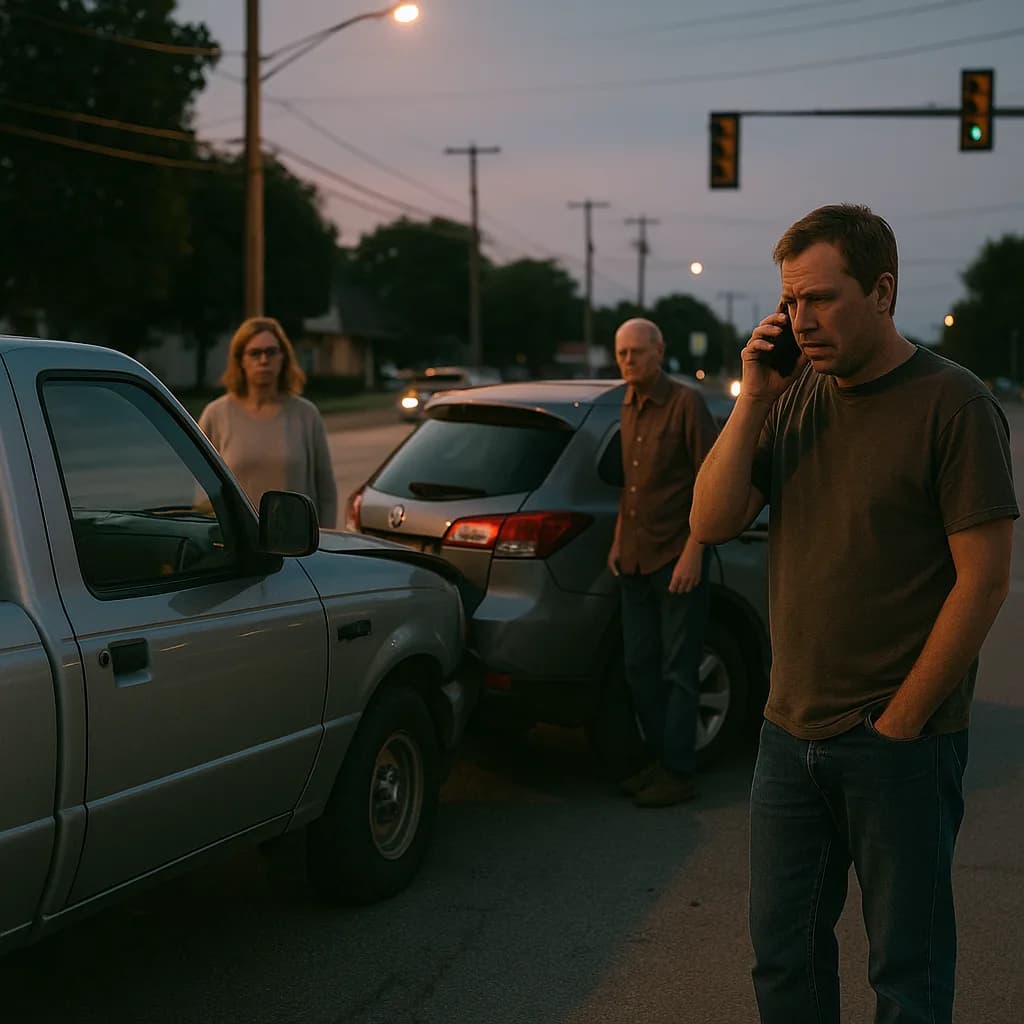
Tennessee's carrier roster includes 27 companies writing auto insurance in the state. Of those, 18 write standard or preferred-tier policies that include full coverage for multiple vehicles. The largest carriers — State Farm, Geico, Progressive, Allstate, Nationwide, and Farmers — all write multi-car policies with collision, comprehensive, and UM/UIM coverage. Each offers online quoting, and each applies a multi-car discount when you insure two or more vehicles on the same policy. State Farm and Allstate are agent-based; the others offer direct online quotes.
Preferred-tier carriers like USAA (military-affiliated only), Erie, Amica, and Auto-Owners write multi-vehicle policies with higher UM/UIM limits and lower deductibles, but they are selective. USAA restricts eligibility to military members and their families. Erie and Auto-Owners require an agent. Amica offers online quoting but underwrites more conservatively than standard-tier carriers. If your household qualifies, these carriers often deliver lower combined premiums on multi-car policies than standard-tier options, but approval is not guaranteed.
Related Articles





How the Multi-Car Discount Applies to Full Coverage
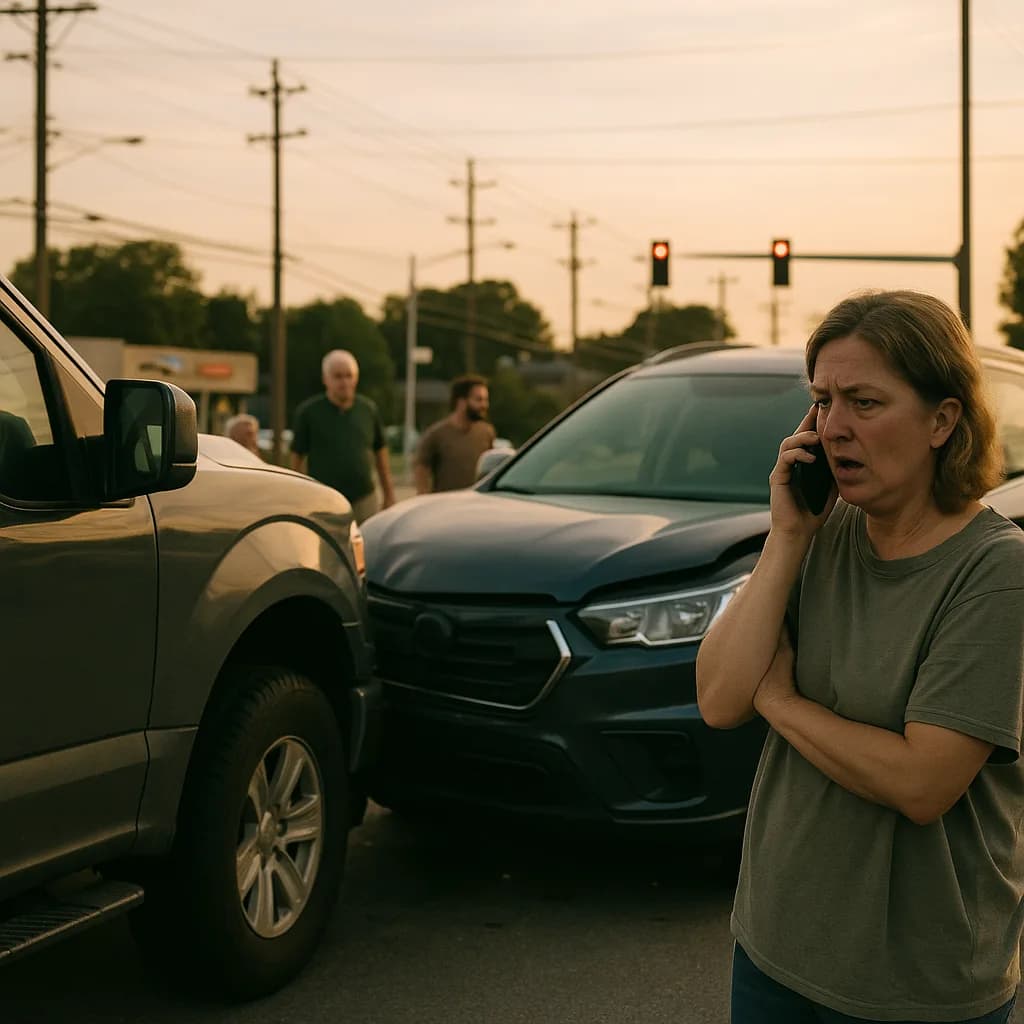
The multi-car discount reduces the combined premium when you insure two or more vehicles on one policy. The discount applies to the total premium, not to each vehicle individually. If your first car costs one amount and your second car costs another, the discount lowers the sum, but it does not change the fact that full coverage on the second car still costs more than liability-only would.
Carriers calculate the discount differently. Some apply a percentage to the combined premium; others reduce the per-vehicle base rate. The discount typically increases when you add a third or fourth vehicle, but the marginal savings shrink with each additional car. Adding a second car might save 15–20% on the combined premium compared to two separate policies, but adding a fourth car to a three-car policy saves less in percentage terms.
The multi-car discount requires every vehicle to sit on the same policy. If you own three cars but insure one on a separate policy, the other two do not qualify for the multi-car discount on that separate policy. Combining all vehicles onto one policy is the only way to capture the discount across the household. When you add a vehicle mid-term, the carrier re-rates the entire policy and applies the discount to the new combined premium. The discount does not wait until renewal.
Tennessee Average Annual Auto Expenditure
$936.15
Tennessee drivers spent an average of $936.15 per insured vehicle in 2023. Multi-car households pay more in total but less per vehicle when the multi-car discount applies.
NAIC Auto Insurance Database Report, 2023
Structuring UM/UIM Coverage Across Multiple Vehicles
Uninsured-motorist coverage in Tennessee is sold in two forms: uninsured motorist (UM) and underinsured motorist (UIM). UM pays when the at-fault driver has no insurance. UIM pays when the at-fault driver's liability limits are too low to cover your damages. Both are optional, but with 21.3% of Tennessee drivers uninsured, skipping UM/UIM leaves a one-in-five chance that a total-loss crash pays nothing.
On a multi-car policy, UM/UIM limits apply per vehicle. Each vehicle's UM/UIM coverage is independent. If the car with lower limits is totaled by an uninsured driver, you recover only up to the lower limit, even though another vehicle on the same policy carries higher coverage. To protect every car equally, set the same UM/UIM limits on all vehicles.
Some carriers in Tennessee offer stacked UM/UIM coverage, which combines the limits across all vehicles on the policy. Stacked coverage costs more, but it increases the total available UM/UIM limit when a single crash involves multiple vehicles or when injuries exceed one vehicle's limit. Not every carrier offers stacking, and Tennessee law does not require it. If your household drives in high-traffic areas or on rural highways where uninsured-driver crashes are more common, stacked UM/UIM is worth comparing.
Comparing Carriers for Your Multi-Vehicle Household
Start with the carriers that write multi-car policies in Tennessee and offer online quoting: Geico, Progressive, State Farm, Allstate, Nationwide, and Farmers. Request quotes for all vehicles on one policy, not separate quotes per car. Specify full coverage — collision, comprehensive, and UM/UIM — on every vehicle. Compare the combined premium, the per-vehicle breakdown, and the UM/UIM limits each carrier offers.
If your household qualifies for a preferred-tier carrier, request quotes from USAA (if military-affiliated), Erie, Amica, or Auto-Owners. These carriers often deliver lower combined premiums on multi-car policies, but they underwrite more selectively. If you are declined or quoted a higher premium than a standard-tier carrier, return to the standard-tier options. The goal is the lowest combined premium for the coverage depth you need, not the carrier name.
Next Step: Compare Multi-Car Full Coverage Quotes
You now understand what full coverage includes on a multi-car policy in Tennessee, which carriers write it, and how UM/UIM coverage applies across multiple vehicles. The next step is to request quotes from at least three carriers that write multi-vehicle policies in Tennessee. Specify the same coverage limits on every vehicle — collision, comprehensive, and UM/UIM — and compare the combined premium. The carrier that delivers the lowest total cost for the coverage depth your household requires is the right choice. Use the site's comparison tool to request quotes from Tennessee carriers writing multi-car full coverage policies.