
When Adding Full Coverage to a Second Vehicle Changes Your Policy Structure
You own two cars in Tennessee. One carries liability only; the other needs full coverage because you financed it. You call your carrier to add comprehensive and collision to the financed vehicle, and the agent tells you the multi-car discount no longer applies to the liability-only car. The discount requires full coverage on both vehicles, or it requires both on the same policy tier, or it requires something else the agent did not explain when you bought the first policy.
The structural reality: Tennessee carriers structure the multi-car discount around policy consistency. Most require every vehicle on the same policy to qualify. Some require matching coverage levels across vehicles. A few calculate the discount per vehicle based on total household premium, which means adding full coverage to one car can change the discount percentage on the other. The discount is not automatic, and adding coverage mid-term re-rates the entire policy.
Compare car insurance rates in your state
Get quotes from licensed carriers — no obligation, no spam, results in minutes.
Get Your Free QuoteTennessee Liability Minimums
$25,000 / $50,000 / $25,000
Tennessee requires $25,000 bodily injury per person, $50,000 per accident, and $25,000 property damage. Full coverage adds comprehensive and collision to these state-mandated minimums, and the multi-car discount applies to the combined premium.
Tennessee Department of Safety, Driver Services
How Tennessee Carriers Structure Multi-Car Discounts for Full Coverage
The multi-car discount in Tennessee is a same-policy discount. Every vehicle must sit on one policy, titled to the same household, and garaged at the same address. When you add a second vehicle with full coverage, the carrier re-rates both vehicles together. The discount percentage varies by carrier: some apply a flat percentage to each vehicle, others calculate the discount on total household premium, and a few tier the discount by vehicle count.
Carriers writing full coverage for multi-vehicle households in Tennessee include State Farm, Geico, Progressive, Allstate, Nationwide, Farmers, USAA, Liberty Mutual, Travelers, and Erie. Non-standard carriers including Acceptance, Bristol West, Dairyland, Direct Auto, The General, GAINSCO, and National General also write multi-car policies, typically for households with violations or lapses. Elephant and Root write multi-vehicle policies with app-based quoting.
The discount applies only when both vehicles carry the same policy number. If one vehicle is titled to a household member on a different policy, that vehicle does not count toward the multi-car discount. If you own three vehicles but only two are garaged at your primary address, the third may not qualify. Carriers verify garaging address at quote time and again at renewal.
The multi-car discount requires every vehicle on the same policy and garaged at the same address. A vehicle titled to someone outside the household does not qualify.
What Happens When You Add Full Coverage Mid-Term
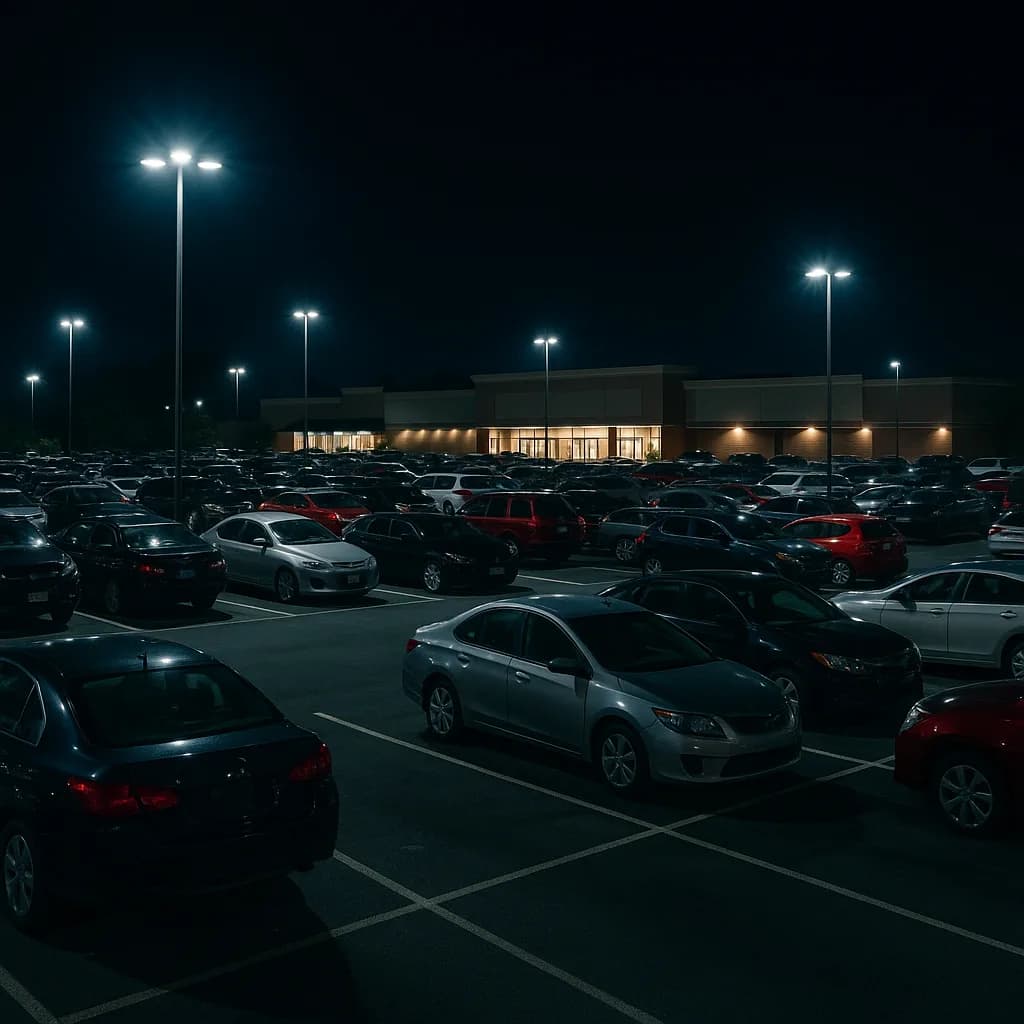
The re-rate happens because full coverage changes your risk profile. Comprehensive covers theft, weather, and animal strikes; collision covers at-fault accidents. The carrier prices both based on your vehicle's value, your deductible choices, and your claims history. When you add these coverages mid-term, the carrier recalculates the multi-car discount across all vehicles, which can increase or decrease the discount percentage depending on total household premium.
Most Tennessee carriers offer $500 or $1,000 deductibles for comprehensive and collision. Choosing a higher deductible lowers your premium but increases out-of-pocket cost at claim time. The deductible applies per incident, per vehicle. If you file a comprehensive claim on one car and a collision claim on another in the same month, you pay both deductibles. The multi-car discount does not reduce deductibles; it reduces the base premium before deductibles are factored.
Related Articles




Comparing Carriers by Multi-Vehicle Policy Structure
State Farm and USAA write the largest volume of multi-vehicle policies in Tennessee and offer agent-based quoting. Geico, Progressive, and Nationwide offer online quoting for multi-car households. Allstate, Farmers, and Liberty Mutual require agent contact for multi-vehicle quotes. Travelers writes multi-vehicle policies but does not advertise the multi-car discount prominently; the discount appears at quote time.
Non-standard carriers structure multi-car discounts differently. Acceptance, Bristol West, Dairyland, and The General write policies for households with violations, and the multi-car discount applies after surcharges are calculated. Direct Auto operates storefronts in Tennessee and quotes multi-vehicle policies in person. GAINSCO and National General write multi-car policies for high-risk households and calculate the discount on total premium after risk adjustments.
Elephant and Root use app-based quoting and calculate the multi-car discount based on total household driving behavior. Both carriers require every driver in the household to install the app and consent to monitoring. The discount increases as total household miles decrease. These carriers do not write policies for households with recent DUI convictions or suspended licenses.
Tennessee Uninsured Motorist Rate
21.3%
More than one in five Tennessee drivers operates without insurance. Uninsured motorist coverage protects you when an at-fault driver cannot pay. Most carriers require uninsured motorist coverage to qualify for the multi-car discount on full-coverage policies.
Insurance Information Institute, 2023
When Combining Two Policies After Marriage or a Move
You and your spouse each own a car with separate policies. You want to combine both vehicles onto one policy to qualify for the multi-car discount. Most Tennessee carriers allow this at renewal, but mid-term combinations require underwriting approval. The carrier re-rates both vehicles together, applies the multi-car discount, and issues a new policy number. Your old policies cancel on the effective date of the new one.
Combining policies does not always lower your total premium. If one spouse has a violation or a claim, the combined policy may cost more than two separate policies. Carriers price the combined policy based on the highest-risk driver in the household. If one spouse has a DUI conviction and the other has a clean record, the carrier applies the DUI surcharge to both vehicles. The multi-car discount offsets some of this increase but not all of it.
Compare Tennessee Carriers That Write Multi-Vehicle Full Coverage
Tennessee law requires proof of insurance at registration and after any traffic stop. Full coverage meets the state minimum and adds protection for your financed or leased vehicles. When you insure multiple cars, the multi-car discount applies only when every vehicle sits on the same policy, titled to the same household, and garaged at the same address. Carriers verify this at quote time and again at renewal. If your household structure changes, contact your carrier before the renewal date to avoid losing the discount.
Compare carriers that write multi-vehicle policies in Tennessee. Quote with at least three carriers to see how each structures the multi-car discount and how adding full coverage to one vehicle affects the premium on the others. Use the comparison tool to see which carriers write your household's vehicles and how policy structure changes your total cost.