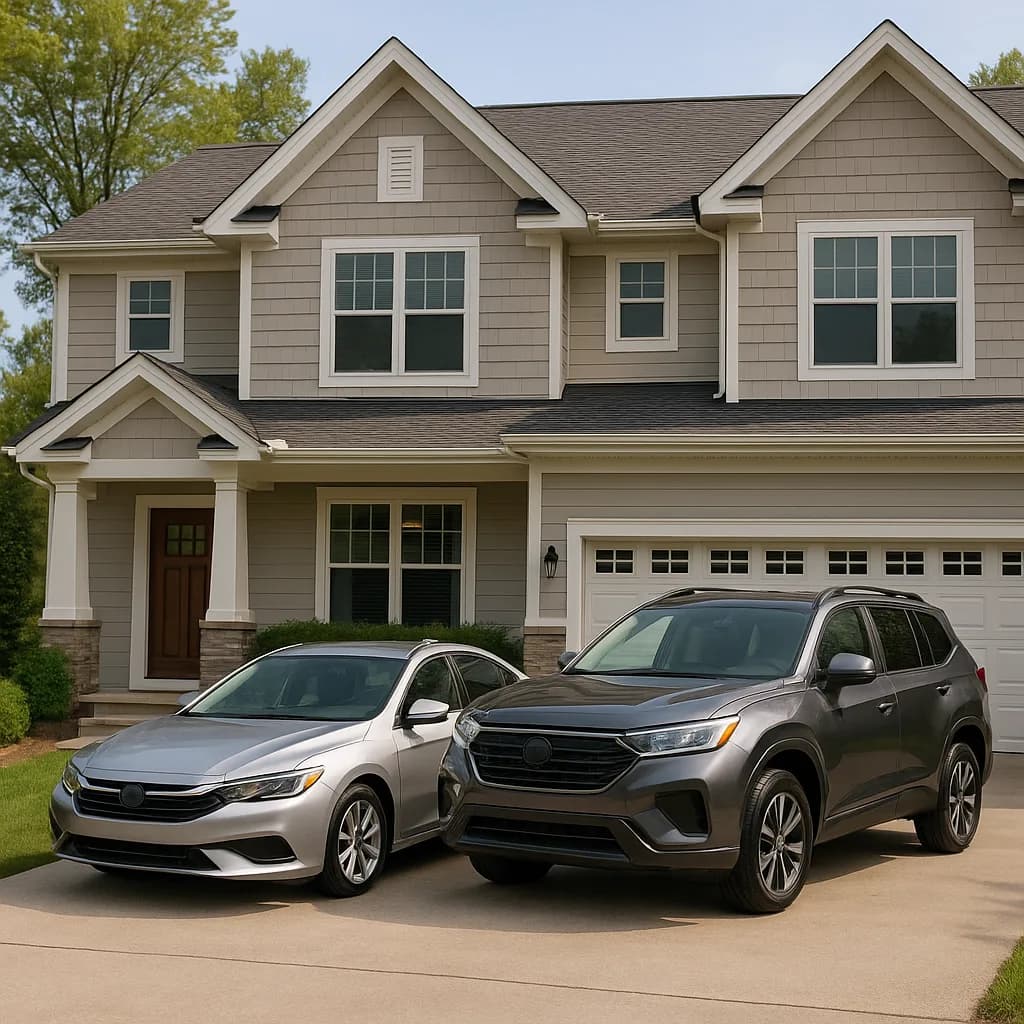
The Multi-Car Household Coverage Question
You just added a second car to your Tennessee policy, or you're about to, and you need to know whether the state's minimum liability requirement applies to each vehicle separately or to the policy as a whole. The answer changes how you structure coverage across your household's cars.
Tennessee requires $25,000 per person for bodily injury, $50,000 per accident for bodily injury, and $25,000 per accident for property damage. Those limits apply per accident, not per vehicle. Most multi-car households discover this gap only after a claim.
Compare car insurance rates in your state
Get quotes from licensed carriers — no obligation, no spam, results in minutes.
Get Your Free QuoteTennessee Liability Minimum
$25,000/$50,000/$25,000
The state requires $25,000 per person for bodily injury, $50,000 per accident for bodily injury, and $25,000 per accident for property damage. These limits apply per accident, not per vehicle on your policy.
Tennessee Department of Safety, Driver Services
How Tennessee Liability Limits Work Across Multiple Vehicles
When you add a second or third vehicle to your Tennessee policy, each car is covered under the same liability limits you selected when you started the policy. The policy does not multiply the limits by the number of vehicles. A household with three cars and a $50,000 per-accident bodily injury limit has $50,000 to cover injuries in any single accident, whether one car or all three are involved.
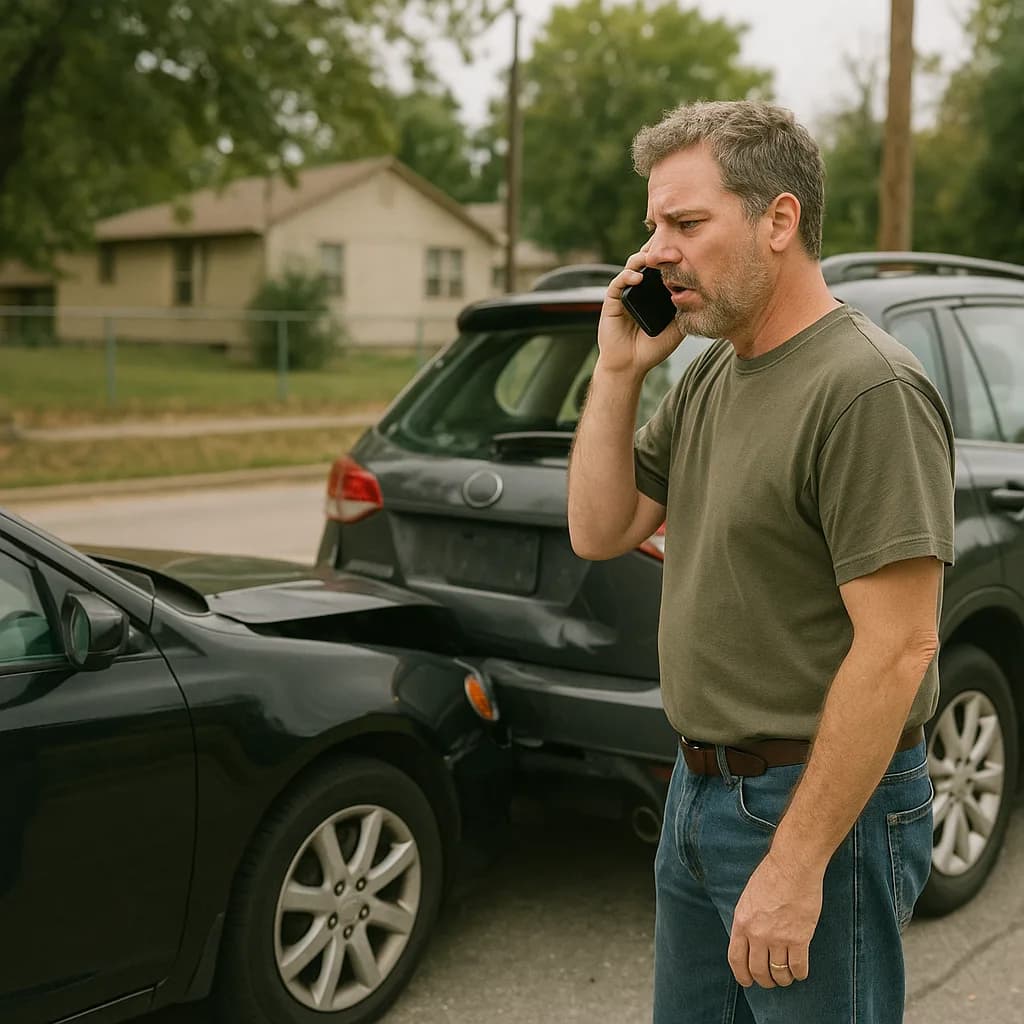
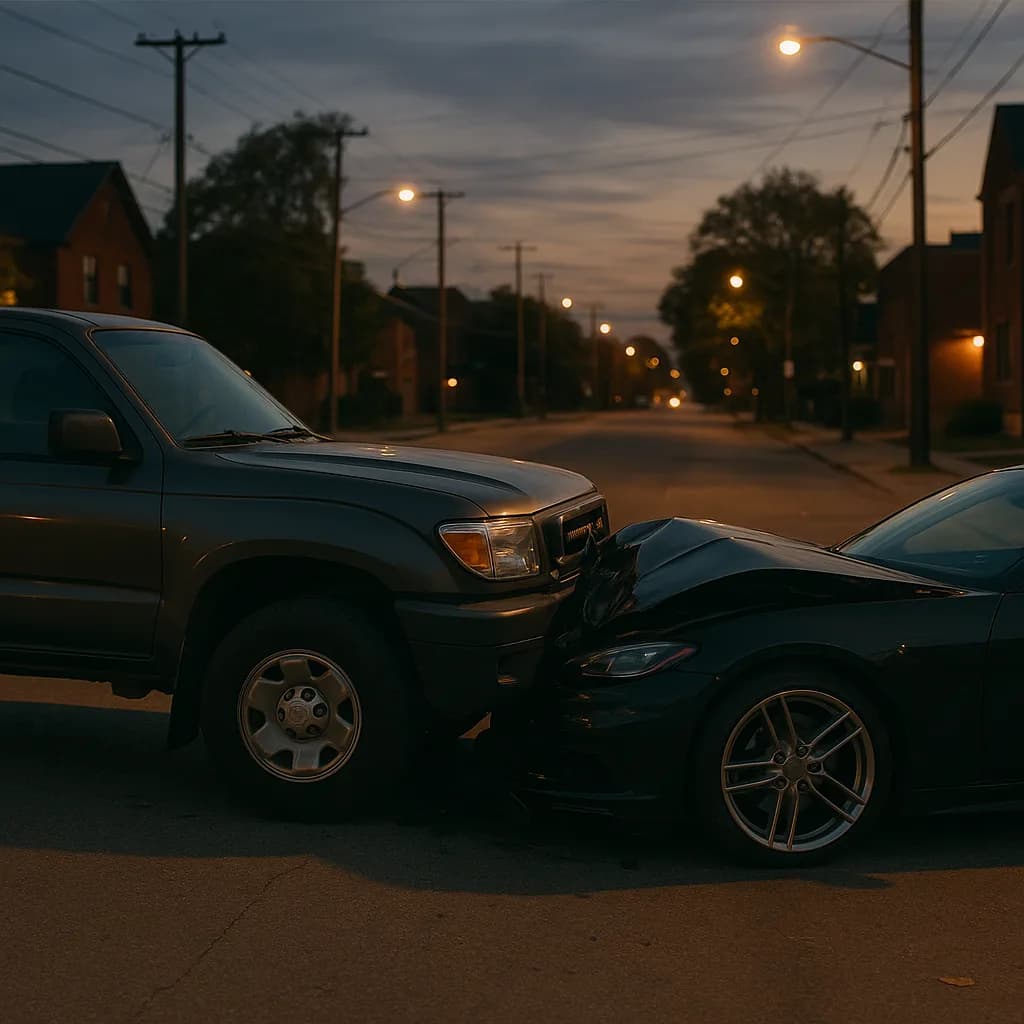
This structure creates a coverage gap for multi-car households. If your teenager rear-ends another driver while your spouse is involved in a separate accident the same day, each accident draws from the same policy limits. If the first accident exhausts the $50,000 bodily injury limit, the second accident has no coverage remaining, and your household assets are exposed.
Tennessee does not require uninsured motorist coverage or personal injury protection, but both are available. Uninsured motorist coverage protects your household when another driver hits one of your cars and has no insurance or insufficient coverage. With 21.3% of Tennessee motorists driving uninsured, this coverage fills a gap the state minimum does not address.
The state minimum applies per accident, not per vehicle. A two-car household crash can exhaust your $50,000 bodily injury limit in one event.
Structuring Liability Across Multiple Cars
Start by calculating your household's total asset exposure. Add the value of all vehicles, your home equity if you own, savings, and retirement accounts. Tennessee law allows injured parties to pursue your assets beyond your liability limits.
Increase your per-accident bodily injury limit to at least match your household assets. The multi-car discount most carriers offer reduces the per-vehicle cost when you raise limits across all cars on the same policy, making higher coverage more affordable than insuring each car separately at the minimum.
Related Articles


Multi-Car Discount Mechanics and Same-Policy Requirements
The multi-car discount applies when you insure two or more vehicles on the same policy. Most Tennessee carriers require every vehicle to be garaged at the same address and titled to household members listed on the policy. A car titled to your adult child living at a different address typically does not qualify for the same-policy discount, even if you pay the premium.
The discount reduces the per-vehicle cost, but adding a vehicle mid-term re-rates the entire policy. Carriers recalculate your premium based on the new vehicle's value, the primary driver's record, and the coverage levels you selected. A household adding a third car with a teen driver will see a larger rate increase than a household adding a third car driven by an experienced adult, even with the multi-car discount applied.
Combining two separate policies after marriage or a household move usually lowers the combined premium, but not always. If one spouse has a clean record and the other has recent violations, the combined policy rates both drivers together. Compare the combined-policy quote against keeping two separate policies before making the change.
Tennessee Uninsured Motorist Rate
21.3%
More than one in five Tennessee drivers has no insurance. Uninsured motorist coverage protects your household when another driver hits one of your cars and cannot pay for the damage or injuries.
Insurance Information Institute, 2023
Collision and Comprehensive Coverage Decisions
Collision coverage pays to repair or replace your vehicle after an accident, regardless of fault. Comprehensive coverage pays for damage from theft, weather, vandalism, or animal strikes. Neither is required by Tennessee law, but lenders require both if you finance or lease any vehicle on your policy.
A multi-car household can structure collision and comprehensive differently across vehicles. An older car with low market value may not justify carrying collision coverage, while a financed newer car on the same policy requires it. Dropping collision on a vehicle worth less than ten times the annual collision premium saves money without leaving the household underinsured, as long as you can afford to replace that car out of pocket if it is totaled.
Compare Carriers That Write Multi-Car Policies in Tennessee
Tennessee has 38 carriers writing auto insurance, and not all offer the same multi-car discount structure or same-policy requirements. Some carriers discount the second vehicle more than the third; others apply a flat percentage across all cars. Some require every vehicle to be garaged at the same address; others allow different garaging locations within the same county.
Compare quotes from at least three carriers that write multi-car policies in your county. Provide each carrier with the same coverage levels, the same drivers, and the same vehicles so the quotes reflect true rate differences, not coverage mismatches. The carrier offering the lowest rate for a single vehicle often does not offer the lowest rate for a household with three cars, because the multi-car discount structure varies.