
When Liability-Only Makes Sense for Multiple Vehicles
You own two or more vehicles in Tennessee and at least one has depreciated to the point where collision and comprehensive premiums exceed the car's value. You want liability-only coverage on that vehicle while keeping full coverage on the others. The question: does splitting coverage types across vehicles on the same policy save money, or does it trigger carrier repricing that eliminates the multi-car discount you already have?
Tennessee requires $25,000 per person and $50,000 per accident in bodily injury liability, plus $25,000 in property damage liability. Liability-only coverage meets the state minimum and nothing more: no collision, no comprehensive, no coverage for your own vehicle's damage. For households with multiple cars, the decision to drop collision on one vehicle affects the entire policy's structure, not just that car's premium.
Compare car insurance rates in your state
Get quotes from licensed carriers — no obligation, no spam, results in minutes.
Get Your Free QuoteTennessee Liability Minimums
$25,000/$50,000/$25,000
Every vehicle registered in Tennessee must carry at least $25,000 bodily injury per person, $50,000 per accident, and $25,000 property damage. Liability-only policies meet this floor and stop there.
Tennessee Department of Safety, Driver Services
How Multi-Car Discounts Apply to Liability-Only Policies
The multi-car discount requires every vehicle on the policy to sit under the same policy number, typically garaged at the same address. When you drop collision and comprehensive on one vehicle, that car remains on the policy and continues to count toward the multi-car discount. The discount applies to the total premium, not per vehicle.
The structural confusion: carriers price liability-only vehicles differently than full-coverage vehicles, and some carriers recalculate the entire policy's base rate when coverage levels split across vehicles. A household with three cars on full coverage might pay less per vehicle than the same household with two cars on full coverage and one on liability-only, because the liability-only vehicle changes the risk profile the carrier uses to price the entire policy.
Tennessee households with older vehicles often assume liability-only always reduces total cost. It does not. The multi-car discount percentage stays the same, but the base premium the discount applies to can increase when coverage splits. The result: you drop collision on one car, the per-vehicle premium on the remaining full-coverage cars rises, and total household premium drops less than expected or stays flat.
Dropping collision on one vehicle can eliminate the multi-car discount on all vehicles if the liability-only car no longer meets the carrier's same-coverage-tier requirement.
Carriers That Write Multi-Car Liability-Only in Tennessee
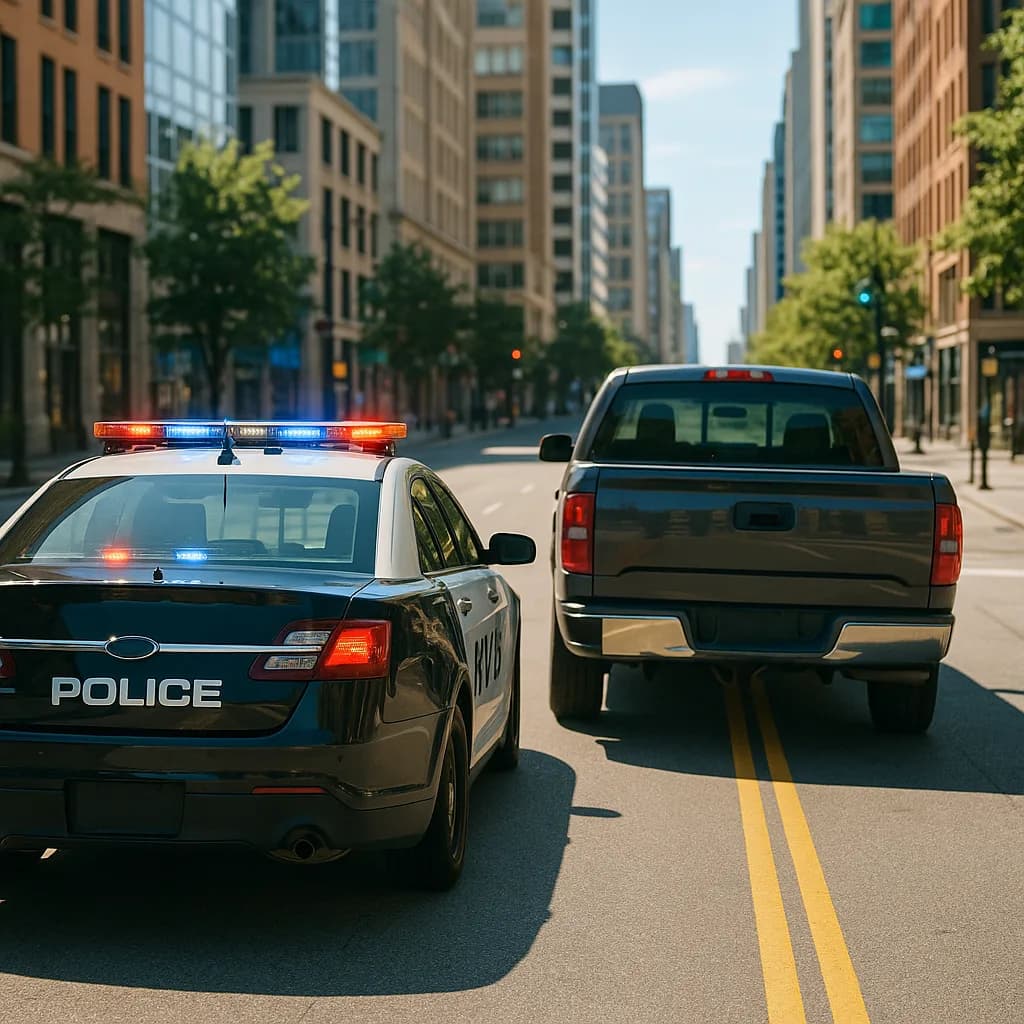
State Farm, Geico, Progressive, and Nationwide write multi-car policies in Tennessee and allow liability-only coverage on individual vehicles without voiding the multi-car discount. Each carrier prices the policy differently: State Farm typically holds the discount percentage steady and adjusts the base rate per vehicle, while Progressive recalculates total policy premium when coverage changes. Geico and Nationwide fall between these approaches. The carrier that quotes lowest for full coverage across all vehicles may not quote lowest when one vehicle drops to liability-only.
Non-standard carriers including Acceptance Insurance, Dairyland, Bristol West, Direct Auto, GAINSCO, and The General write liability-only policies for Tennessee households with multiple vehicles and often quote lower base rates than standard carriers when all vehicles carry minimum coverage. These carriers do not always offer a multi-car discount in the traditional sense: instead, they price each vehicle individually and sum the premiums. For households dropping collision on multiple vehicles, a non-standard carrier's per-vehicle rate can beat a standard carrier's discounted multi-car rate.
Related Articles






When Splitting Coverage Costs More Than Keeping Full Coverage
A household with three vehicles on full coverage receives a multi-car discount on the total premium. When one vehicle drops to liability-only, the carrier re-rates the policy. If the liability-only vehicle's lower premium does not offset the increase in the remaining vehicles' premiums, total cost rises. This happens most often when the vehicle dropping collision is the lowest-risk vehicle on the policy: an older sedan driven infrequently. Carriers price risk by vehicle and driver assignment, and removing the lowest-risk vehicle's collision coverage can push the policy's average risk profile higher.
Tennessee households face this outcome when the vehicle dropping collision is titled to a driver with a clean record, while the remaining full-coverage vehicles are driven by household members with points or violations. The multi-car discount applies to the total premium, but the base premium per vehicle reflects each driver's record. Dropping collision on the clean-driver's car removes that vehicle's low-risk weighting from the policy's total risk calculation.
The failure mode competing pages omit: carriers do not tell you during the quote process whether splitting coverage will increase or decrease total premium. You request the change, the carrier re-rates the policy, and you see the new total. By then, the policy term has started, and reversing the change mid-term triggers another re-rating. The only way to know whether liability-only saves money is to request a quote for both scenarios before the term renews.
Tennessee Auto Insurance Carriers
40 carriers
Forty carriers write auto insurance in Tennessee, including standard, preferred, and non-standard tiers. Not all offer multi-car discounts, and pricing for liability-only policies varies widely by carrier and household vehicle count.
Comparing Carriers for Multi-Car Liability-Only Quotes
Request quotes from at least three carriers in different tiers: one standard carrier that writes your current full-coverage policy, one preferred carrier if your household qualifies, and one non-standard carrier. Provide the same vehicle details and driver assignments for each quote. Specify which vehicles will carry liability-only and which will keep full coverage. Compare total annual premium, not per-vehicle premium, because the multi-car discount applies to the total.
Tennessee households with multiple vehicles should compare State Farm, Geico, and Progressive for standard-tier quotes, and Acceptance Insurance, Dairyland, or Direct Auto for non-standard quotes. Each carrier's multi-car discount structure differs, and the carrier quoting lowest for full coverage often does not quote lowest when coverage splits. Request renewal quotes 30 days before your current term ends to allow time for comparison without a coverage gap.
What to Do Right Now
Identify which vehicles on your Tennessee policy are candidates for liability-only coverage: vehicles worth less than ten times the annual collision and comprehensive premium, or vehicles driven fewer than 3,000 miles per year. Request a quote from your current carrier showing total premium with those vehicles on liability-only. Request quotes from two additional carriers in different tiers using the same coverage structure. Compare total annual premium across all three quotes. The carrier offering the lowest total premium for your household's specific vehicle count and coverage mix is the one to bind. Do not assume your current carrier remains cheapest when coverage changes.