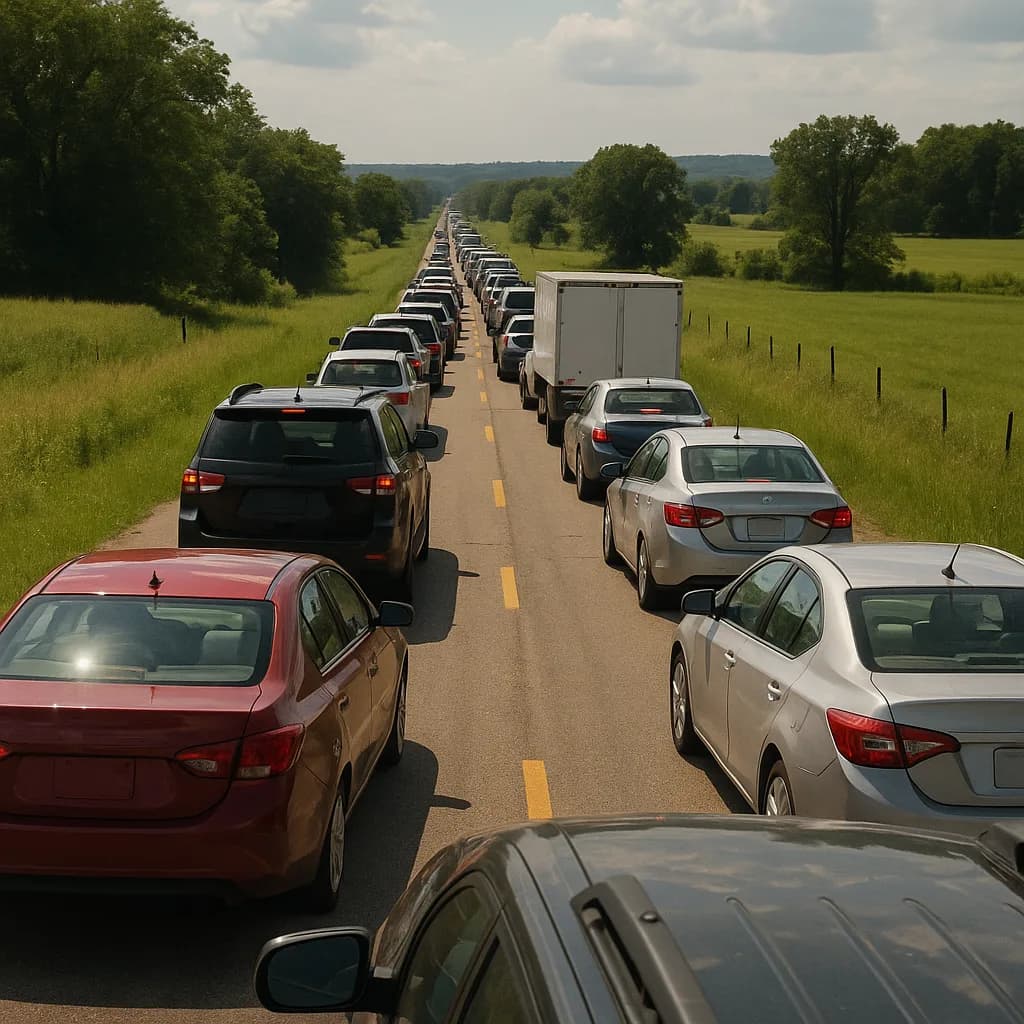
Why Multi-Vehicle Tennessee Households Overpay
You added a second car to your Tennessee policy and expected a discount. Or you're renewing three vehicles and the combined premium is higher than three separate policies would cost. Tennessee's 21.3% uninsured-motorist rate drives base premiums up, but the real cost problem for multi-vehicle households is policy structure: most families organize coverage around individual cars rather than building one optimized policy that qualifies for every available discount.
Tennessee requires $25,000 bodily injury per person, $50,000 per accident, and $25,000 property damage. Those minimums apply per policy, not per vehicle. When you insure multiple cars on separate policies, you pay separate base premiums and lose the multi-car discount most carriers reserve for households that consolidate every vehicle onto one policy. The discount exists, but the same-policy requirement blocks it for families who split coverage across multiple policies or carriers.
Compare car insurance rates in your state
Get quotes from licensed carriers — no obligation, no spam, results in minutes.
Get Your Free QuoteTennessee Annual Auto Premium
$936.15
Tennessee drivers paid an average of $936.15 per insured vehicle in 2023, according to NAIC data. Multi-vehicle households that qualify for the multi-car discount and consolidate coverage onto one policy typically reduce that per-vehicle cost, but only when every car sits on the same policy and meets the carrier's garaging and titling requirements.
NAIC Auto Insurance Database Report 2023
The Same-Policy Requirement Blocks Most Discounts
The multi-car discount requires every vehicle to sit on one policy. If you insure two cars with one carrier and a third with another, none of the three qualifies for the discount. If your spouse maintains a separate policy for a car titled in their name, that vehicle doesn't count toward your multi-car discount even if you live at the same address. Carriers define the discount around the policy, not the household.
Tennessee law does not mandate the multi-car discount. Carriers offer it voluntarily and set their own eligibility rules. Most require every vehicle to be garaged at the same address, titled to the same household members, and listed on one policy. A car titled to an adult child living elsewhere, a vehicle garaged at a second property, or a car insured under a parent's out-of-state policy all fail the same-policy test. The discount disappears the moment the household splits coverage.
Combining two existing policies into one triggers a full re-rate. The carrier recalculates premium based on every driver, every vehicle, and every coverage selection on the new combined policy. Sometimes the multi-car discount offsets the re-rate and the combined premium drops. Sometimes adding a high-risk driver or expensive vehicle to the policy raises the base premium more than the discount saves. The only way to know is to request a combined-policy quote before canceling either existing policy.
Tennessee carriers will not apply the multi-car discount retroactively. If you add a second vehicle mid-term without requesting the discount, you pay the higher single-car rate until renewal.
How to Structure One Policy Across Multiple Vehicles

Contact your current carrier first and request a quote for adding every household vehicle to one policy. Provide the VIN, title holder name, garaging address, and primary driver for each car. The carrier will ask whether any vehicle is financed, leased, or titled to someone outside the household. If a car is titled to a household member who maintains a separate policy, ask whether transferring the title or consolidating both policies is required to qualify for the multi-car discount. Most Tennessee carriers require the title holder to be listed on the policy as a named insured or driver.
Compare the combined-policy quote against your current separate-policy premiums. If the combined premium is lower, confirm the effective date and cancel the separate policies on that date to avoid a coverage gap or double payment. If the combined premium is higher, compare quotes from other carriers that write multi-vehicle policies in Tennessee. Carriers listed in the data block above that write standard-tier auto insurance typically offer multi-car discounts, but eligibility rules and discount amounts vary. Request quotes from at least three carriers and compare the combined-policy premium, not the per-vehicle cost.
Related Articles




Coverage Stacking and Per-Policy Limits
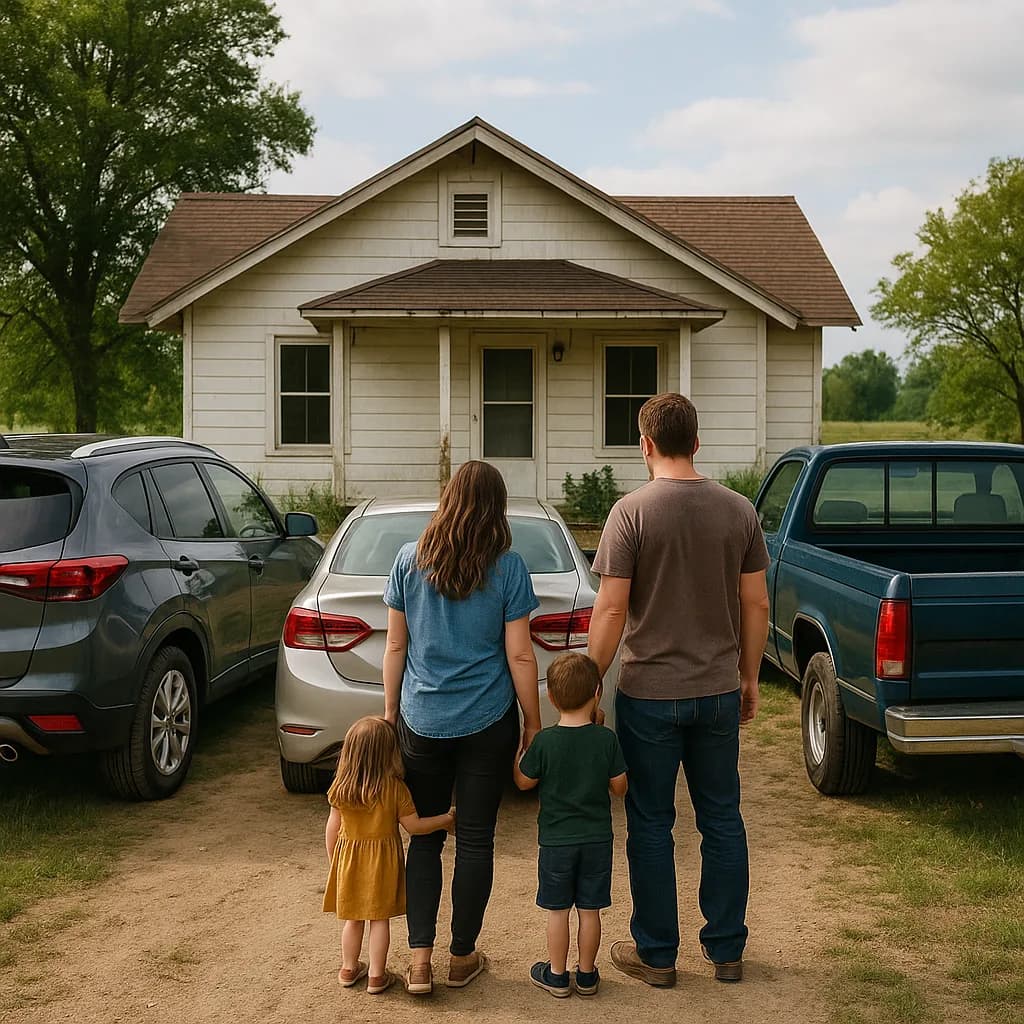
Tennessee does not require uninsured-motorist coverage, but when you add it to a multi-vehicle policy the per-policy limit applies to every covered vehicle. If you carry $50,000 uninsured-motorist coverage on a policy that insures three cars, each car is covered up to $50,000 per accident. You do not need to buy separate uninsured-motorist coverage for each vehicle. The same principle applies to liability limits: the $25,000/$50,000/$25,000 state minimum covers every vehicle on the policy, not each vehicle individually.
Collision and comprehensive coverage, by contrast, apply per vehicle. If you carry collision on two of three cars, only those two are covered for collision claims. Dropping collision on an older vehicle while keeping it on newer cars is a common cost-reduction strategy for multi-vehicle households. The per-vehicle structure lets you tailor coverage to each car's value without affecting the other vehicles on the policy.
Some Tennessee carriers offer a multi-policy discount when you bundle auto and home or renters insurance. The multi-policy discount stacks with the multi-car discount, but only when every product sits with the same carrier. If you insure three cars with one carrier and your home with another, you lose the bundling discount. Consolidating all coverage with one carrier maximizes discount eligibility, but only if that carrier's combined premium beats the unbundled total from multiple carriers.
Tennessee Uninsured Motorists
21.3%
More than one in five Tennessee drivers operates without insurance. Uninsured-motorist coverage protects you when an at-fault driver has no liability insurance, but it costs extra and applies per policy, not per vehicle. Multi-vehicle households that add uninsured-motorist coverage to one consolidated policy cover every car under one limit, avoiding the need to buy separate uninsured-motorist policies for each vehicle.
Insurance Information Institute, 2023
When Separate Policies Cost Less
A combined multi-car policy does not always produce the lowest premium. If one household member has a DUI, multiple at-fault accidents, or a suspended license, adding that driver to a combined policy can raise the base premium more than the multi-car discount saves. In that case, maintaining separate policies—one for the high-risk driver and one for the rest of the household—may cost less overall. Tennessee carriers rate policies based on every listed driver, and one high-risk driver affects the premium for every vehicle on the policy.
Similarly, if one vehicle is a high-value sports car or a financed luxury vehicle that requires comprehensive and collision coverage, adding it to a policy that insures two older cars with liability-only coverage can raise the combined premium significantly. Compare the combined-policy quote against the cost of insuring the expensive vehicle separately. The multi-car discount may not offset the increased premium for adding a high-cost vehicle to a low-cost policy.
Compare Carriers That Write Multi-Vehicle Policies in Tennessee
Tennessee licenses dozens of auto insurance carriers, but not all offer competitive multi-car discounts. Carriers listed in the data block above that write standard-tier auto insurance in Tennessee include State Farm, GEICO, Progressive, Allstate, Nationwide, and Farmers. Each sets its own multi-car discount amount and eligibility rules. State Farm and Allstate typically require every vehicle to be garaged at the same address and titled to household members listed on the policy. Progressive and GEICO allow more flexibility for vehicles titled to adult children or garaged at a second address, but discount amounts vary.
Request quotes from at least three carriers and provide identical coverage selections, driver information, and vehicle details for each quote. Compare the total combined-policy premium, not the per-vehicle cost or the discount percentage. A smaller discount on a lower base rate can beat a larger discount on a higher base rate. Tennessee law does not regulate multi-car discount amounts, so carriers compete on total premium rather than discount size. The lowest combined-policy premium is the number that matters, regardless of how the carrier structures the discount.