
Tennessee's Mandatory Liability Coverage
Tennessee law requires every driver to carry liability insurance with minimum limits of $25,000 per person for bodily injury, $50,000 per accident for bodily injury, and $25,000 per accident for property damage. These are the statutory minimums you must meet to register a vehicle and legally drive in the state. The state refers to this structure as 25/50/25 coverage.
Liability insurance pays for injuries and property damage you cause to others in an at-fault accident. It does not cover your own injuries or vehicle damage. Tennessee is a fault state, meaning the driver responsible for the accident is liable for damages. If you cause an accident and your liability limits are insufficient to cover the other party's losses, you remain personally liable for the difference.
Compare car insurance rates in your state
Get quotes from licensed carriers — no obligation, no spam, results in minutes.
Get Your Free QuoteTennessee Liability Minimums
$25,000 / $50,000 / $25,000
These figures represent bodily injury per person, bodily injury per accident, and property damage per accident. Every registered vehicle in Tennessee must carry at least this much liability coverage to comply with state law.
Tennessee Department of Safety, Driver Services
What Tennessee Does Not Require
Tennessee does not mandate personal injury protection (PIP) or uninsured-motorist coverage. You are not legally required to carry coverage that pays your own medical bills or protects you when an uninsured driver causes an accident. This distinguishes Tennessee from no-fault states, where PIP is mandatory, and from states that require uninsured-motorist coverage by statute.
The absence of these mandates means you can meet Tennessee's legal requirements with liability-only coverage. However, 21.3% of Tennessee drivers are uninsured, according to 2023 state insurance statistics. If an uninsured driver hits you and you carry only the state minimum liability, you have no coverage for your own injuries or vehicle damage unless you purchased optional uninsured-motorist and collision coverage.
Carriers writing in Tennessee typically offer uninsured-motorist and underinsured-motorist coverage as optional add-ons. These coverages pay when the at-fault driver has no insurance or insufficient limits to cover your losses. You decide whether to purchase them based on your risk tolerance and the high uninsured-motorist rate in the state.
Tennessee's 21.3% uninsured-motorist rate means roughly one in five drivers on the road carries no insurance, yet the state does not require uninsured-motorist coverage.
Proof of Insurance and Registration

When you register a vehicle in Tennessee, the county clerk verifies that you carry at least the state minimum liability coverage. Your insurance carrier reports your policy electronically to the Tennessee Department of Safety. If your policy lapses or is canceled, the carrier notifies the state, and your registration can be suspended under Tennessee Code Annotated 55-5-117. The Department of Revenue administers registration-lapse suspensions.
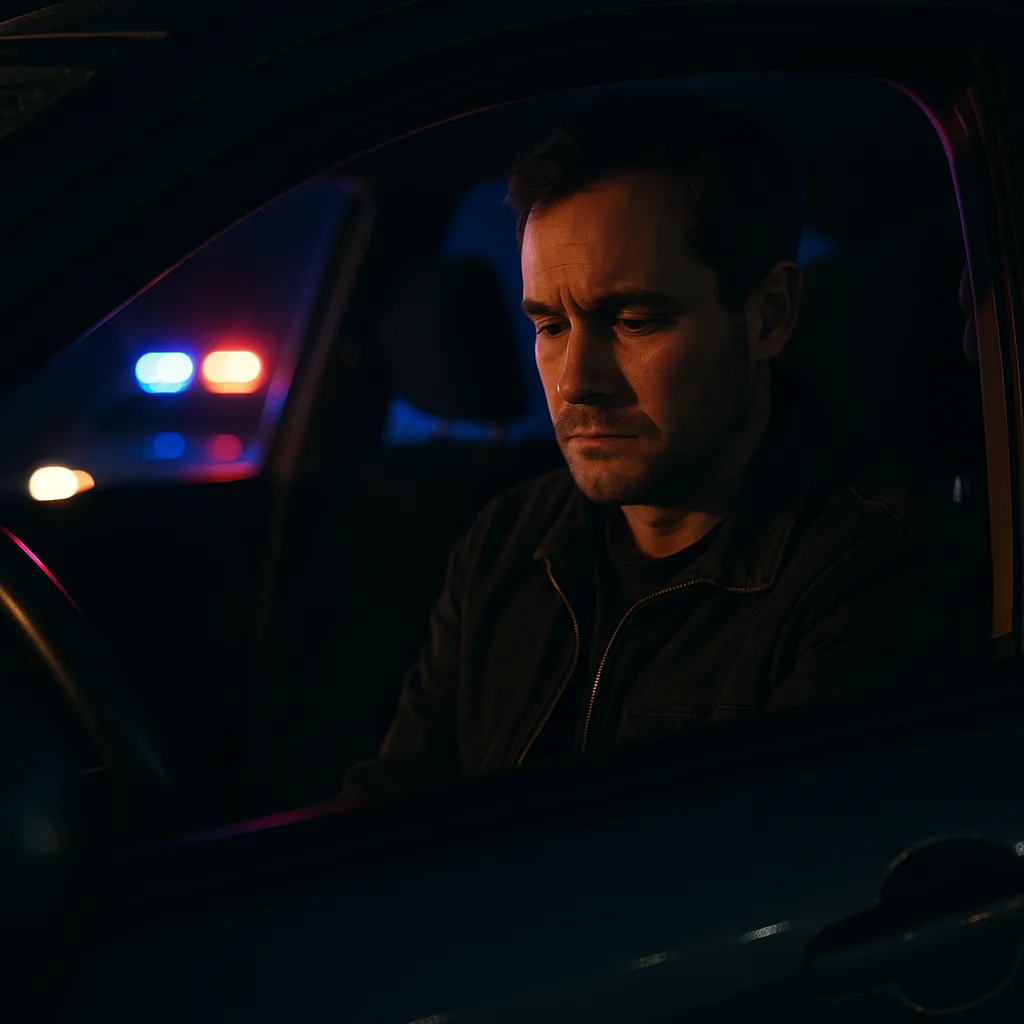
During a traffic stop, you must present proof of insurance to law enforcement. Tennessee law permits electronic proof: you can display your insurance card on your phone or other mobile device. Officers accept digital proof as equivalent to a printed card. If you cannot provide proof at the time of the stop, you may face a citation and a requirement to show proof to the court within a specified period.
Related Articles





Penalties for Driving Without Insurance
Driving without insurance in Tennessee is a Class C misdemeanor. Penalties include fines, license suspension, and vehicle impoundment. Reinstatement processing typically takes 5 business days after you submit proof and payment.
If you are involved in an accident while uninsured, Tennessee law requires you to file an SR-22 certificate for 3 years after the incident. The SR-22 is a form your insurance carrier files with the state to prove you carry at least the minimum required coverage. Carriers charge a filing fee for SR-22 certificates, and your premium increases because you are classified as high-risk. The 3-year SR-22 period begins on the date of the violation or accident, not the date you file the certificate.
Tennessee also offers a Restricted Driver License (Class D, M) for drivers whose licenses are suspended due to certain violations, including driving uninsured. To qualify, you must obtain a certified Order for Restricted Drivers License from the court of conviction or apply through Driver Improvement if your suspension is points-based. You must also obtain SR-22 coverage on a personal or employer vehicle. The restricted license permits travel only on the most direct route to approved destinations: your employer, a secondary employer, school, daycare, church, doctor, or other court-approved locations. The license is valid only in Tennessee and only during approved days and time windows specified in the court order.
Tennessee License Reinstatement Fee
This is the base reinstatement fee you pay to the Tennessee Department of Safety after a suspension for driving uninsured. Processing takes approximately 5 business days. Additional fees may apply if your suspension involves multiple violations or unpaid fines.
Tennessee Department of Safety, Driver Services
Full Coverage Versus Minimum Coverage
Minimum coverage in Tennessee means liability-only insurance at the 25/50/25 statutory limits. This coverage satisfies state law but leaves you financially exposed if you cause an accident that exceeds those limits, if an uninsured driver hits you, or if your own vehicle is damaged or stolen. Full coverage typically refers to a policy that includes liability, collision, comprehensive, and uninsured-motorist coverage. Collision pays for damage to your vehicle in an at-fault accident; comprehensive pays for non-collision damage such as theft, vandalism, hail, or animal strikes.
Whether to carry full coverage depends on your vehicle's value, your ability to absorb the cost of replacing it, and your tolerance for the uninsured-motorist risk. Lenders require collision and comprehensive coverage if you finance or lease a vehicle. Once you own the vehicle outright, you decide whether to continue carrying physical-damage coverage based on the vehicle's current market value and your financial position.
Compare Carriers Writing in Tennessee
Tennessee is served by a large roster of carriers writing liability, full coverage, and optional coverages. Major carriers writing in the state include State Farm, Geico, Progressive, Allstate, Nationwide, Farmers, Liberty Mutual, Travelers, USAA, Erie, Auto-Owners, and The Hartford. Non-standard carriers serving high-risk drivers include Acceptance Insurance, Bristol West, Dairyland, Direct Auto, The General, GAINSCO, and National General. Newer entrants such as Elephant and Root also write in Tennessee and offer online quoting.
Carriers differ in how they price the same coverage, how they structure multi-vehicle discounts, and which optional coverages they offer as standard add-ons. Some carriers offer uninsured-motorist coverage with no deductible; others apply a deductible to uninsured-motorist property damage. Some bundle roadside assistance and rental reimbursement into their base policies; others charge separately. The only way to identify the best combination of price and coverage for your household is to compare quotes from multiple carriers writing in Tennessee, using identical coverage selections across all quotes.