
What Tennessee Requires to Register and Drive
Tennessee requires every driver to carry liability insurance with minimum limits of $25,000 per person for bodily injury, $50,000 per accident for bodily injury, and $25,000 per accident for property damage. These limits satisfy the state's registration and proof-of-insurance requirements. You cannot legally register a vehicle or renew registration without showing proof you carry at least these amounts.
The state does not require uninsured motorist coverage or personal injury protection. Liability-only policies meeting the $25,000/$50,000/$25,000 floor are the cheapest legal option in Tennessee, but they cover only what you owe others when you cause an accident. Your own vehicle damage, your own medical bills, and any damages beyond the liability limits come out of your pocket.
Compare car insurance rates in your state
Get quotes from licensed carriers — no obligation, no spam, results in minutes.
Get Your Free QuoteTennessee Minimum Liability Limits
$25,000 / $50,000 / $25,000
Bodily injury per person, bodily injury per accident, and property damage per accident. These are the floor amounts required to register and legally drive in Tennessee.
Tennessee Department of Safety, Driver Services
What Minimum Liability Coverage Actually Pays
Minimum liability coverage pays for injuries and property damage you cause to others, up to the policy limits. If you injure one person in an accident, your policy pays up to $25,000 for their medical bills, lost wages, and pain and suffering. If you injure multiple people in one accident, your policy pays up to $50,000 total across all injured parties. If you damage another driver's vehicle or property, your policy pays up to $25,000 for repairs or replacement.
The policy does not pay for your own vehicle repairs, your own medical bills, or damages that exceed the limits. Minimum coverage satisfies the state's registration requirement but leaves you financially exposed when damages exceed the floor.
Tennessee does not mandate collision or comprehensive coverage. Those coverages pay for your own vehicle damage from accidents, theft, weather, and vandalism, but they are optional. A minimum-coverage policy includes only liability, which means your own car is not covered under any circumstance.
Tennessee's minimum liability limits cover only what you owe others. Damages beyond $25,000/$50,000/$25,000 and your own vehicle repairs are your responsibility.
When Minimum Coverage Leaves Gaps
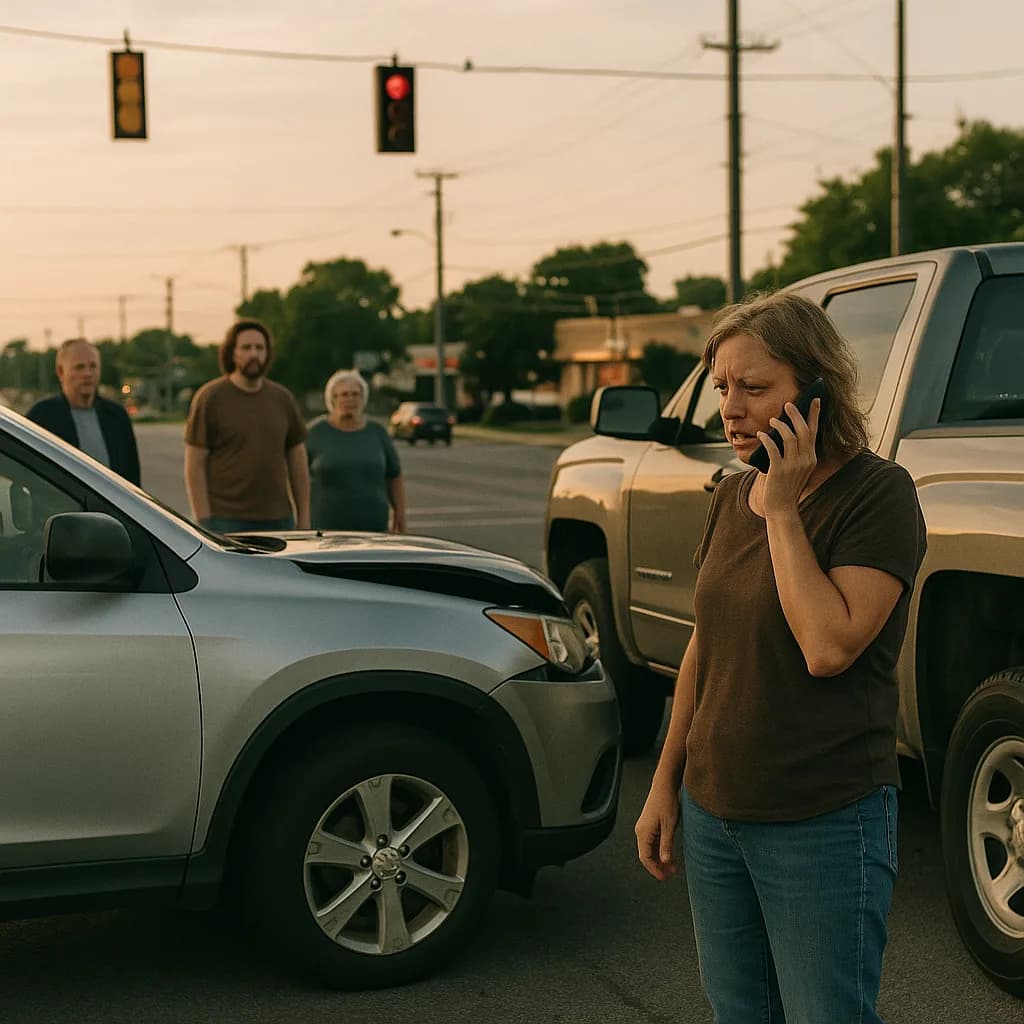
A single emergency-room visit after a moderate-injury accident can exceed $25,000 when imaging, surgery, and follow-up care are included. Totaling a newer sedan or SUV produces property damage claims well above the $25,000 floor. The at-fault driver's assets, wages, and future earnings are exposed when damages exceed policy limits.
Tennessee is a fault state, which means the at-fault driver's liability insurance pays for the other party's damages. If you carry only minimum limits and cause a serious accident, the injured party can pursue a judgment against you personally for amounts your policy does not cover. Minimum coverage satisfies registration requirements but does not protect your financial position when the claim exceeds the floor.
Related Articles






Uninsured Motorist Coverage Is Optional but Common
Tennessee does not require uninsured motorist coverage, but many drivers add it to protect themselves when hit by someone with no insurance or insufficient limits. Approximately 21.3% of Tennessee drivers are uninsured. If an uninsured driver causes an accident that injures you or damages your vehicle, their lack of coverage leaves you with no liable party to recover from unless you carry uninsured motorist coverage on your own policy.
Uninsured motorist bodily injury coverage pays for your medical bills, lost wages, and pain and suffering when the at-fault driver has no insurance. Underinsured motorist coverage pays when the at-fault driver's liability limits are too low to cover your damages. Both coverages are optional in Tennessee, but they close the gap minimum liability leaves open. A driver carrying only the state minimum has no protection when someone else causes the accident and cannot pay.
Tennessee Uninsured Motorist Rate
21.3%
More than one in five Tennessee drivers operates without insurance. Uninsured motorist coverage on your own policy protects you when an at-fault driver has no coverage to pay your claim.
Insurance Information Institute, 2023
Comparing Minimum Coverage to Full Coverage
Full coverage typically refers to a policy that includes liability, collision, and comprehensive coverage. Collision pays for your own vehicle damage when you cause an accident or hit an object. Comprehensive pays for your own vehicle damage from theft, vandalism, weather, fire, and animal strikes. Adding collision and comprehensive to a liability-only policy transforms it into full coverage, but those coverages are optional in Tennessee and add cost to the premium.
A driver financing or leasing a vehicle is usually required by the lender to carry collision and comprehensive. A driver who owns the vehicle outright can choose to drop those coverages and carry only liability, reducing the premium but eliminating protection for their own car. The decision depends on the vehicle's value, the driver's ability to replace it out of pocket, and the driver's tolerance for financial exposure. Minimum coverage is the cheapest legal option but offers the least protection.
Finding Coverage That Fits Your Situation
Tennessee allows drivers to meet the state minimum with any carrier licensed to write auto insurance in the state. Carriers vary in how they price minimum-coverage policies, what discounts they offer, and how they handle claims. Comparing quotes from multiple carriers shows you the range of premiums available for the same coverage limits. Some carriers specialize in minimum-coverage policies for budget-conscious drivers; others price those policies higher because they prefer full-coverage customers.
If you carry only minimum liability, confirm the policy meets Tennessee's $25,000/$50,000/$25,000 floor and that the carrier is licensed in the state. If you want protection beyond the minimum, decide whether to add higher liability limits, uninsured motorist coverage, collision, or comprehensive based on your vehicle's value and your financial position. The state requires only the floor, but the floor leaves significant gaps when damages exceed the limits or when you are hit by an uninsured driver. Compare carriers that write the coverage structure you need and choose the policy that balances cost and protection for your household.