
What Full Coverage Means for Tennessee Drivers
You're deciding whether to carry full coverage on one, some, or all of the vehicles in your household, and the term itself creates confusion. Full coverage is not a single product Tennessee insurers sell. It's shorthand for a policy that combines the state's required liability minimums with collision coverage (pays for damage to your car in an accident you cause) and comprehensive coverage (pays for theft, weather, vandalism, and animal strikes). Each vehicle you add full coverage to increases your premium separately.
Tennessee law requires $25,000 per person and $50,000 per accident in bodily injury liability, plus $25,000 in property damage liability. That's the minimum to register and legally drive. Full coverage means you're adding collision and comprehensive on top of those liability minimums, and you choose which vehicles in your household get the added protection. A household with three cars might carry full coverage on two newer vehicles and liability-only on an older third car.
Compare car insurance rates in your state
Get quotes from licensed carriers — no obligation, no spam, results in minutes.
Get Your Free QuoteTennessee Average Annual Auto Premium
$936.15
Tennessee drivers paid an average of $936.15 per insured vehicle in 2023, reflecting the combined cost of liability, collision, comprehensive, and optional coverages across the state's insured fleet. Your household's actual cost depends on the number of vehicles, coverage selections per vehicle, and each driver's record.
NAIC Auto Insurance Database Report 2023
How Collision and Comprehensive Work Per Vehicle
Collision coverage pays to repair or replace your car after an accident you cause or a single-vehicle crash, minus your deductible. Comprehensive pays for damage from events other than collisions: theft, hail, flood, fire, vandalism, hitting a deer. Both coverages are priced per vehicle based on that vehicle's value, age, make, model, and where it's garaged. A 2022 sedan costs more to insure for collision and comprehensive than a 2015 sedan because the newer car's replacement cost is higher.
You choose a deductible for each coverage, typically $500 or $1,000. A higher deductible lowers your premium but increases what you pay out of pocket at claim time. The deductible applies per incident: if hail damages two cars in your driveway, you pay the comprehensive deductible twice. Collision and comprehensive are always optional in Tennessee; lenders require them on financed or leased vehicles, but once a car is paid off, you decide whether to keep them.
The decision turns on vehicle value. When a car's market value drops below the point where annual collision and comprehensive premiums plus the deductible approach the car's worth, many households drop those coverages and carry liability-only. Newer or higher-value vehicles justify full coverage; older paid-off cars often do not.
Full coverage premiums scale per vehicle. Adding collision and comprehensive to a third car costs as much as adding them to the second, because each vehicle's coverage is priced separately.
Coverage Decisions Across Multiple Vehicles
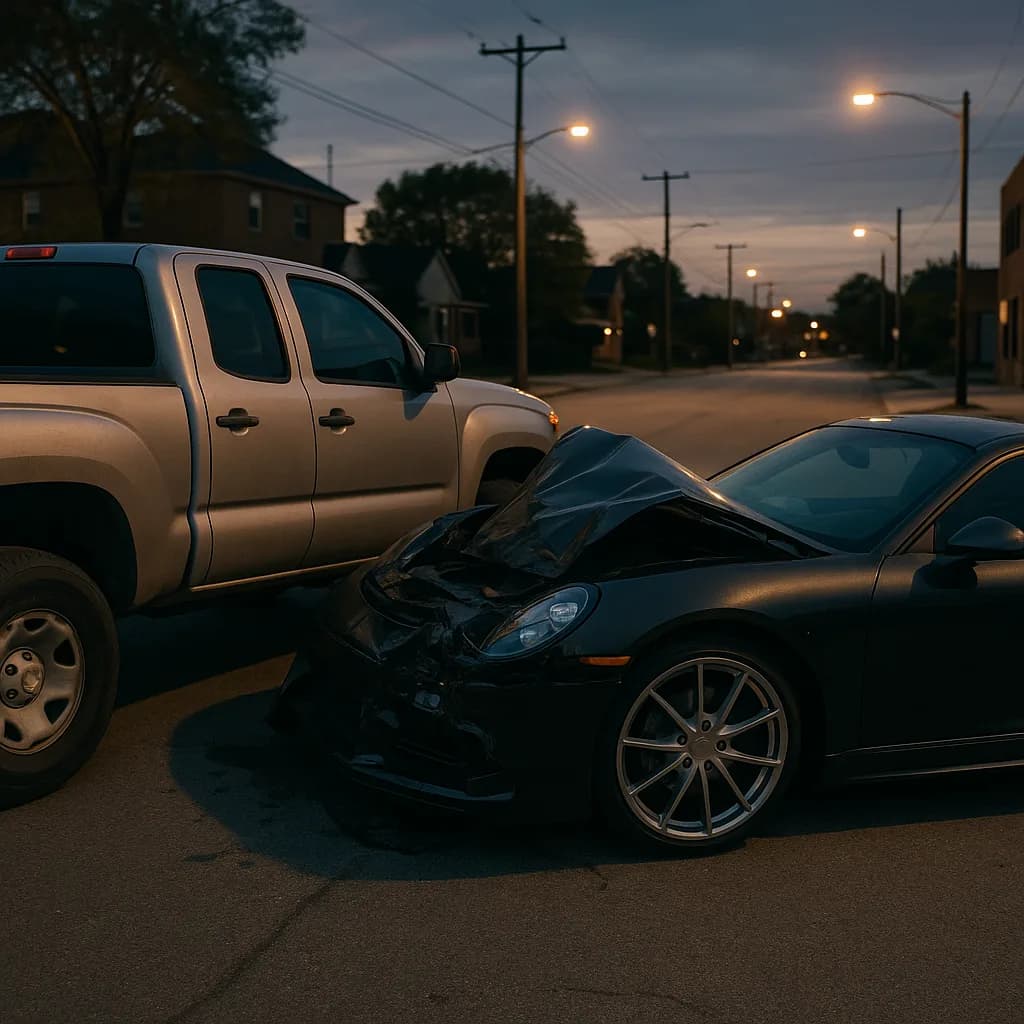
The most common pattern: full coverage on financed or leased vehicles and newer paid-off cars, liability-only on older vehicles with lower market value. A household with a 2023 truck, a 2018 SUV, and a 2012 sedan might carry full coverage on the truck and SUV and drop collision and comprehensive on the sedan. The truck's lender requires full coverage, the SUV's value justifies it, and the sedan's age and value make liability-only the better choice. Each vehicle's coverage selection is independent.
Some households split the decision by usage rather than value. A rarely-driven classic car or a vehicle used only for short errands might carry comprehensive but not collision, protecting against theft and weather damage while skipping the higher-cost collision coverage. Tennessee does not require you to structure coverage uniformly across your vehicles; you tailor each car's protection to its role and value in your household.
Related Articles





What Drives Full Coverage Cost in Tennessee
Collision and comprehensive premiums reflect the insurer's estimate of how much they'll pay in claims on your vehicle. Make and model matter because repair costs and theft rates vary. A vehicle with expensive parts or a high theft rate costs more to insure for comprehensive. Trucks and SUVs often cost more than sedans of similar age because their repair costs run higher.
Where you garage the vehicle affects comprehensive rates. Urban counties with higher theft and vandalism rates produce higher comprehensive premiums than rural counties. Your driving record affects collision rates: a driver with an at-fault accident in the past three years pays more for collision coverage than a driver with a clean record. Credit-based insurance scores, legal in Tennessee, influence both collision and comprehensive pricing. Deductible choice directly changes premium: moving from a $500 to a $1,000 deductible typically lowers your premium but increases your out-of-pocket cost at claim time.
The multi-car discount applies to your entire policy, including liability, collision, and comprehensive. Adding a second or third vehicle to one policy reduces the per-vehicle cost compared to insuring each car on a separate policy. The discount does not eliminate the per-vehicle cost of collision and comprehensive; it reduces the combined total. A household comparing quotes should request the same coverage structure across carriers to see which insurer prices your specific vehicles and drivers most competitively.
Tennessee Uninsured Motorist Rate
21.3%
21.3% of Tennessee drivers carried no insurance in 2023, one of the highest uninsured rates in the U.S. Uninsured motorist coverage protects you when an at-fault driver has no liability insurance. It's optional in Tennessee but worth considering when structuring full coverage, especially if you're dropping collision on an older vehicle.
Insurance Information Institute, 2023
Uninsured Motorist and Optional Coverages
Tennessee does not require uninsured motorist coverage, but with more than one in five drivers carrying no insurance, many households add it. Uninsured motorist bodily injury pays your medical bills and lost wages when an at-fault driver has no liability coverage. Underinsured motorist coverage pays when the at-fault driver's liability limits are too low to cover your damages. Both are priced per policy, not per vehicle, and cost significantly less than collision or comprehensive. A household carrying full coverage on some vehicles and liability-only on others can still add uninsured motorist protection across the entire policy.
Other optional coverages include rental reimbursement, which pays for a rental car while your vehicle is being repaired after a covered claim, and roadside assistance. Medical payments coverage, which pays your medical bills regardless of fault, is another option Tennessee allows but does not require. Households structuring coverage across multiple vehicles should evaluate these coverages once per policy rather than duplicating them per car.
Comparing Carriers for Multi-Vehicle Households
Tennessee has 30 carriers writing auto insurance in the state, and each prices collision, comprehensive, and liability differently. A carrier that offers the lowest liability-only rate for one household may not offer the best full-coverage rate for another. Multi-vehicle households benefit from requesting quotes that reflect the exact coverage structure they want: full coverage on specific vehicles, liability-only on others, and the same deductibles and optional coverages across all quotes. That structure lets you compare total household cost accurately.
Tennessee's minimum liability requirements and fault system mean collision coverage pays for your own vehicle regardless of who caused the accident, while liability covers the other driver's vehicle. Comparing how carriers price collision and comprehensive per vehicle, alongside the multi-car discount each offers, shows you which insurer fits your household's mix of vehicles and drivers. Request quotes from at least three carriers, provide accurate vehicle values and driver records, and compare the total annual premium for your household's full structure.
Structure Your Coverage and Compare Rates
Decide which vehicles in your household justify full coverage based on value, loan status, and usage. Request quotes that reflect your chosen structure: collision and comprehensive on the vehicles that need it, liability-only on those that don't, and uninsured motorist coverage across the policy. Tennessee's competitive carrier market rewards households that compare rates with a clear coverage plan. Use the site's comparison tool to request quotes from carriers writing in Tennessee, or contact an independent agent who can quote multiple insurers at once.