
What Tennessee's Financial Responsibility Law Actually Requires
Tennessee's financial responsibility law requires every driver to demonstrate the ability to pay for damage they cause in an accident. For most households, that means carrying liability insurance that meets the state's minimum coverage amounts: $25,000 per person for bodily injury, $50,000 per accident for bodily injury, and $25,000 for property damage. These minimums apply to every vehicle you register and drive in Tennessee, whether you own one car or five.
The law does not require you to carry insurance at all times — it requires you to prove financial responsibility when specific events occur. Registration, traffic stops, accidents, and certain violations all trigger the proof requirement. A household insuring multiple vehicles must be able to produce proof for each car when asked, and that proof must show coverage at or above the state minimums for every vehicle on the policy.
Compare car insurance rates in your state
Get quotes from licensed carriers — no obligation, no spam, results in minutes.
Get Your Free QuoteTennessee Minimum Liability Limits
$25,000 / $50,000 / $25,000
These amounts represent the floor: $25,000 per person injured, $50,000 total per accident for bodily injury, and $25,000 for property damage. Every vehicle you register must carry at least this much coverage.
Tennessee Department of Safety and Homeland Security
When Tennessee Requires Proof of Financial Responsibility
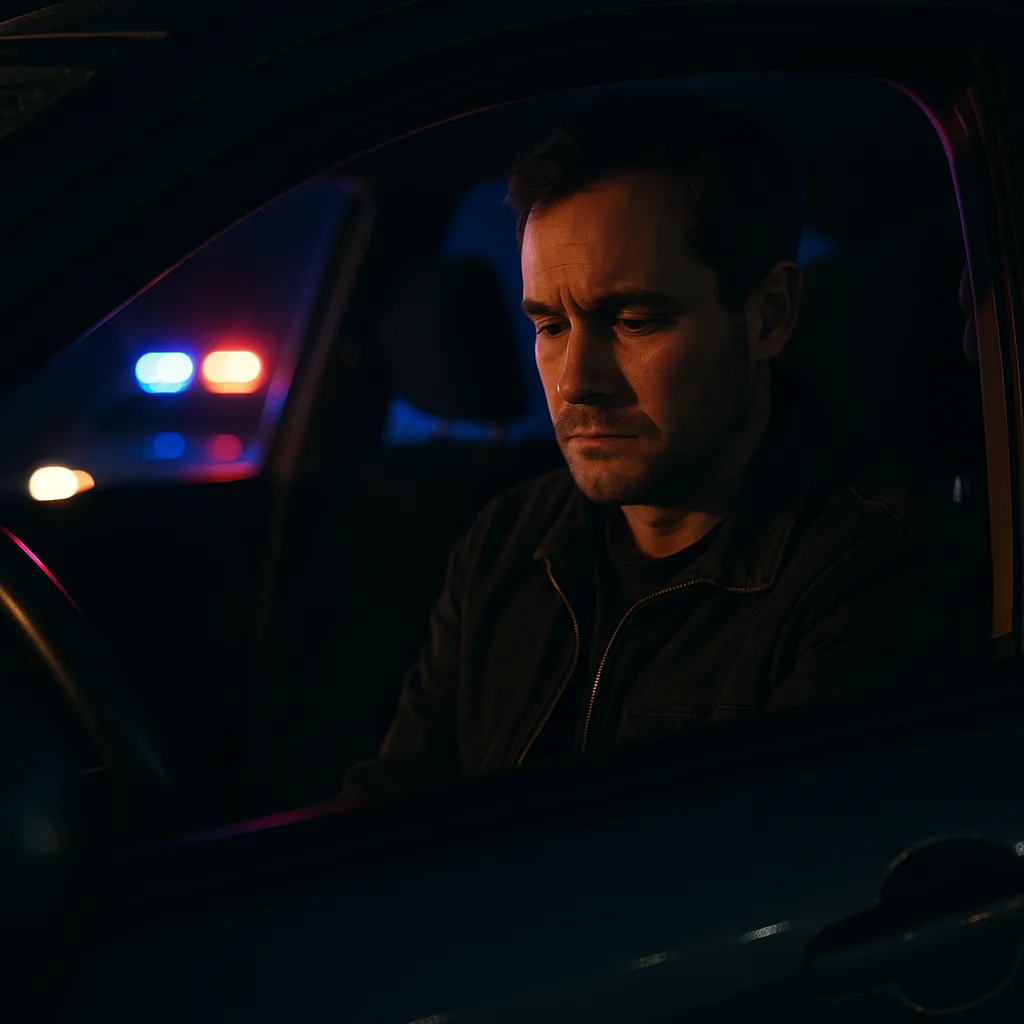
Tennessee law triggers the proof requirement in four situations: at vehicle registration, during a traffic stop, after an accident, and following certain violations. When you register a car, the county clerk verifies insurance before issuing plates. When an officer stops you, Tennessee law requires you to show proof of insurance along with your license and registration. After any accident, both drivers must exchange proof. If you are cited for driving without insurance or involved in an accident where you are at fault, the state may require you to file proof for up to three years.
For households with multiple vehicles, the proof requirement applies per vehicle, not per policy. If you insure three cars on one policy, you need proof documents for all three. Most carriers issue one insurance card per vehicle; some issue a single card listing all vehicles. Either format works as long as the card shows the vehicle identification number, policy number, coverage amounts, and effective dates for the car you are driving.
The state does not require you to carry physical cards anymore — Tennessee accepts electronic proof displayed on a phone. The proof must show current coverage. Expired cards, even if your policy renewed, do not satisfy the requirement. Officers and clerks check the effective dates, and an expired card can result in a citation even when your coverage is active.
Tennessee's financial responsibility law applies per vehicle, not per household. Each car you register must have proof of coverage at the state minimums or higher.
How the Law Applies to Multi-Vehicle Policies

Most carriers structure multi-vehicle policies so that the liability limits apply per vehicle, not shared across the policy. That means a household with three cars on one policy has $25,000/$50,000/$25,000 of liability coverage available for each vehicle separately. If two cars from the same household are involved in separate accidents on the same day, each has the full policy limits available. The state does not require higher limits just because you own more cars — the minimums apply per vehicle, and a standard multi-car policy meets that requirement.
The confusion arises when a household member drives a car not listed on the policy. Tennessee's financial responsibility law requires proof for the vehicle being driven, not the driver. If your teenager drives a friend's car and gets stopped, your household policy does not provide proof for that vehicle — the friend's policy does. Similarly, if you add a fourth car to your household mid-term and do not notify your carrier within the grace period, that car has no proof of coverage even though your other three vehicles remain insured. Tennessee law treats each vehicle as a separate proof obligation.
Related Articles





What Happens When You Cannot Prove Financial Responsibility
Driving without proof of financial responsibility in Tennessee is a Class C misdemeanor. The penalty includes a fine, potential license suspension, and a requirement to file SR-22 proof of insurance for three years. If you are stopped and cannot show proof, the officer issues a citation even if you actually have coverage — the law requires proof at the time of the stop, not proof that coverage existed. You can resolve the citation by showing proof to the court, but the citation itself remains on your record.
After an accident, failing to provide proof triggers a license suspension. Tennessee law requires both drivers to exchange insurance information at the scene. The suspension applies even if the accident was not your fault — the law penalizes the failure to prove financial responsibility, not fault in the accident itself.
For households with multiple vehicles, a lapse on one car can affect your ability to register or renew plates on the others. Tennessee ties registration to proof of insurance, and a prior lapse or suspension on your driving record may require you to show continuous coverage for all vehicles before the county clerk will issue new plates. That requirement can delay registration for a newly-purchased vehicle if your household has any unresolved proof-of-responsibility issues.
Tennessee Uninsured Motorist Rate
21.3%
More than one in five Tennessee drivers operates without insurance. That rate makes uninsured motorist coverage a practical addition to the state minimums, especially for households with multiple vehicles where total replacement cost is higher.
Insurance Information Institute, 2023
Why the State Minimums May Not Be Enough for Multi-Car Households
Tennessee's $25,000 per person bodily injury limit covers medical bills, lost wages, and pain and suffering for one injured person. A serious injury — broken bones, surgery, extended hospital stay — can exceed $25,000 quickly. For a household with multiple vehicles and higher net worth, that personal liability exposure grows with every car you own and every driver in your household.
The $25,000 property damage limit covers the other driver's vehicle, not yours. Tennessee is a fault state, so the at-fault driver's liability coverage pays for the other party's car. Multi-car households often have higher-value vehicles, and the state minimum property damage limit does not keep pace with current vehicle prices.
Compare Carriers Writing Multi-Vehicle Policies in Tennessee
Tennessee's financial responsibility law sets the floor, but your household's actual coverage needs depend on the number of vehicles you own, their value, and your net worth. Carriers writing multi-vehicle policies in Tennessee include State Farm, GEICO, Progressive, Allstate, Nationwide, and Farmers, all of which offer liability limits above the state minimums and multi-car discounts that lower the per-vehicle cost when you insure more than one car on the same policy. Compare quotes from at least three carriers, and request liability limits higher than $25,000/$50,000/$25,000 to see the cost difference. For most households, the premium increase is smaller than the personal liability risk the state minimums leave uncovered.