Tennessee Operates Under a Fault-Based System
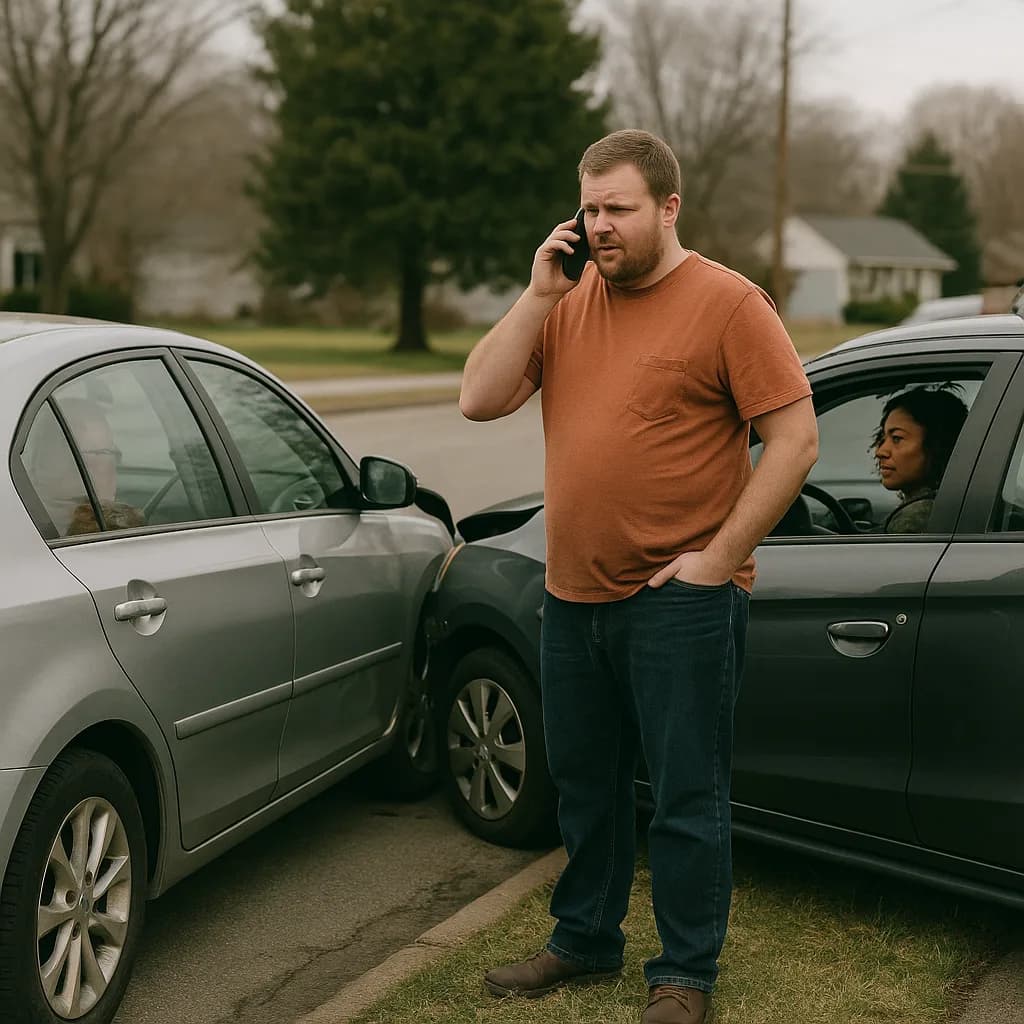
Tennessee is not a no-fault state. When an accident occurs, the at-fault driver's liability insurance pays for the other party's injuries and property damage. If you're managing coverage for two or more vehicles in your household, this fault-based structure means every car on your policy needs liability limits high enough to cover damages you might cause.
The state requires minimum liability coverage of $25,000 per person for bodily injury, $50,000 per accident for bodily injury, and $25,000 for property damage. These minimums apply to each vehicle you insure. A household with three cars needs the same minimum liability on all three, because any one of them could be the vehicle involved in an at-fault accident.
Compare car insurance rates in your state
Get quotes from licensed carriers — no obligation, no spam, results in minutes.
Get Your Free QuoteTennessee Minimum Liability
$25,000 / $50,000 / $25,000
Tennessee law requires every registered vehicle to carry at least $25,000 per person for bodily injury, $50,000 per accident for bodily injury, and $25,000 for property damage. These limits apply per vehicle, not per household.
Tennessee Code Annotated § 55-12-139
Fault Determines Whose Insurance Pays
In a fault state, the driver who caused the accident is financially responsible for the other party's losses. Their liability insurance covers medical bills, lost wages, and vehicle repairs for the injured party. If you're at fault, your liability coverage pays the other driver's costs up to your policy limits. If the other driver is at fault, their liability insurance pays your costs.
This system differs fundamentally from no-fault states, where each driver's own insurance pays their medical expenses regardless of who caused the crash. Tennessee does not require personal injury protection (PIP), the coverage that handles your own medical bills in no-fault states. Instead, you rely on the at-fault driver's liability coverage to pay your medical costs, or on your own health insurance and collision coverage to fill gaps.
When you're structuring a policy for multiple vehicles, this fault-based rule means you're protecting your household against two risks: liability when your household is at fault, and inadequate coverage when the other driver is at fault. The multi-vehicle discount can lower your premium, but every car on the policy still needs sufficient liability limits to cover a serious accident.
Tennessee's fault system puts financial responsibility on the at-fault driver. Your liability coverage must be high enough to pay the other party's full damages, or you're personally liable for the difference.
How Liability Coverage Works Across Multiple Vehicles

A household policy covering three vehicles does not pool liability limits across all three cars. The liability limits on your other two vehicles do not add to that amount.
This per-vehicle structure means every car you add to the policy needs adequate liability limits, not just the car your household drives most often. A second or third vehicle driven by a teen, used for commuting, or parked on the street faces the same liability exposure as your primary car. Carriers typically apply the same liability limits to every vehicle on a multi-car policy unless you request otherwise, but confirm this when adding a car mid-term.
Related Articles



Optional Coverages That Protect You in a Fault State
Tennessee does not mandate uninsured motorist coverage or underinsured motorist coverage, but both are available and address a specific fault-state risk: the other driver lacks sufficient insurance to pay your damages. Approximately 21.3% of Tennessee motorists are uninsured. When an uninsured driver hits you, their liability coverage does not exist. Uninsured motorist coverage on your own policy pays your medical bills and lost wages up to your UM limits.
Underinsured motorist coverage applies when the at-fault driver carries liability insurance, but their limits are too low to cover your full damages. Both coverages are sold per vehicle, so a household with multiple cars can structure UM/UIM limits to match the liability exposure each vehicle faces.
Collision coverage and medical payments coverage (MedPay) are also optional in Tennessee. Collision pays to repair your own vehicle after an at-fault accident, regardless of who caused it. MedPay covers your medical expenses up to the policy limit without requiring a fault determination. These coverages do not replace liability insurance, but they fill gaps the fault system leaves open when you're injured or your car is damaged and the other driver's insurance is insufficient or nonexistent.
Tennessee Uninsured Motorist Rate
21.3%
More than one in five Tennessee drivers lacks insurance. Uninsured motorist coverage on your own policy protects your household when an uninsured driver causes an accident and cannot pay your damages.
Insurance Information Institute, 2023
Structuring a Multi-Vehicle Policy in a Fault State
When you add a second or third vehicle to your Tennessee policy, the carrier re-rates the entire policy based on the new vehicle's make, model, year, garaging address, and primary driver. The multi-car discount typically reduces the per-vehicle premium, but the total premium rises because you're adding another car with its own liability, collision, and comprehensive exposure. Confirm that every vehicle on the policy carries liability limits high enough to cover a serious accident, not just the state minimum.
Most carriers require every vehicle on a multi-car policy to share the same liability limits unless you request split limits for a specific car. A household with a teen driver might carry higher liability limits on the teen's car to account for elevated accident risk. Conversely, a rarely-driven vehicle garaged at home might carry lower collision and comprehensive deductibles while maintaining the same liability limits as the rest of the household fleet. Discuss these options with your carrier when structuring the policy.
Compare Carriers That Write Multi-Vehicle Policies in Tennessee
Tennessee has a competitive auto insurance market with carriers that specialize in multi-vehicle households. Geico, State Farm, Progressive, Allstate, Farmers, Nationwide, and USAA all write multi-car policies in Tennessee and offer multi-vehicle discounts. The size of the discount and the base rate vary by carrier, so a smaller discount on a lower base rate can produce a better total premium than a larger discount on a higher one.
Compare quotes from at least three carriers, and provide accurate information about every vehicle you're insuring: VIN, annual mileage, garaging address, and primary driver for each car. Carriers price multi-vehicle policies based on the combined risk profile of every car and driver on the policy, so withholding a vehicle or a driver can void coverage at claim time. Use the comparison tool to request quotes from carriers licensed in Tennessee and confirm that each quote includes the liability limits and optional coverages your household needs.