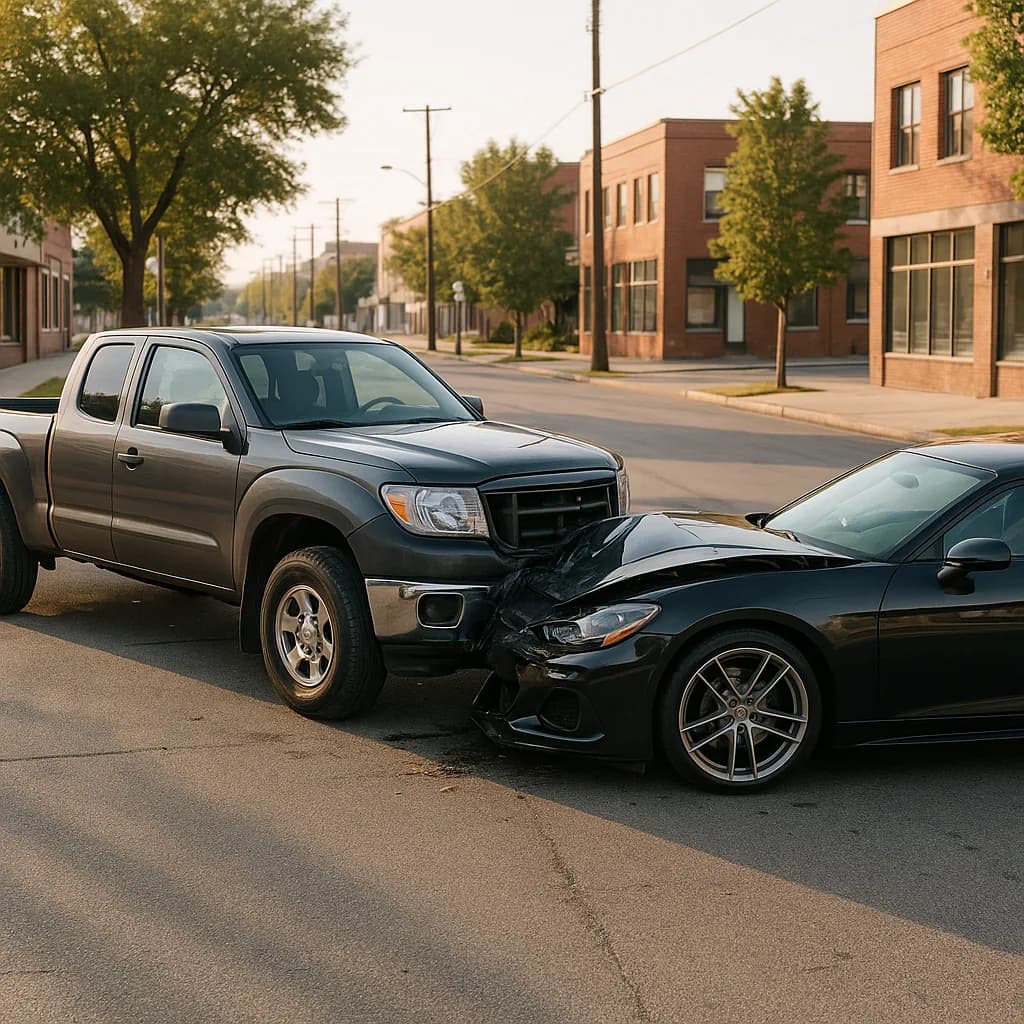
The Multi-Vehicle Collision Question
You insure two or more vehicles on one Tennessee policy and you're deciding whether to carry collision coverage on every car, drop it from older vehicles, or skip it entirely. The state requires $25,000 property damage liability to cover the other driver's car when you're at fault, but collision is optional—it pays to repair or replace your own vehicle after an accident regardless of who caused it.
The decision is not binary across your policy. Tennessee carriers let you select collision coverage per vehicle. A household with a new sedan and a 12-year-old truck can carry collision on the sedan and liability-only on the truck. The premium difference is substantial, and the right structure depends on each vehicle's replacement cost and your household's tolerance for out-of-pocket repair bills after a claim.
Compare car insurance rates in your state
Get quotes from licensed carriers — no obligation, no spam, results in minutes.
Get Your Free QuoteTennessee Property Damage Minimum
$25,000
Tennessee Code Annotated requires $25,000 property damage liability per accident to cover damage you cause to another driver's vehicle or property. This minimum does not cover your own car—that requires collision or a claim against the at-fault driver's liability coverage.
Tennessee Code Annotated
What Collision Actually Covers on a Multi-Car Policy
Collision coverage pays to repair or replace your vehicle after an accident with another car, a stationary object, or a rollover, regardless of fault. When you carry collision on a vehicle, the carrier pays your claim minus your deductible—typically $500 or $1,000—and pursues the at-fault driver's liability insurer for reimbursement if the other driver caused the accident. If you do not carry collision, you file a third-party claim against the at-fault driver's property damage liability coverage and wait for their carrier to investigate, accept liability, and pay. That process can take weeks, and if the other driver is uninsured or underinsured, you absorb the loss unless you carry uninsured motorist property damage coverage.
On a multi-vehicle policy, collision is priced and selected per vehicle. The carrier calculates each car's collision premium based on its actual cash value, repair cost, theft risk, and your chosen deductible. You can carry collision on the sedan, drop it from the compact, and keep both vehicles on the same policy with the same liability limits and the same multi-car discount.
Collision does not cover damage from weather, theft, vandalism, or animal strikes—that requires comprehensive coverage, which is priced separately. Collision also does not cover damage you cause to another driver's vehicle—that is covered by your property damage liability, which Tennessee requires at $25,000 minimum per accident. The $25,000 liability minimum protects the other driver; collision protects your car.
Tennessee carriers let you mix collision and liability-only coverage across vehicles on the same policy. The multi-car discount applies to the policy, not to individual coverage elections.
When Collision Makes Sense Per Vehicle
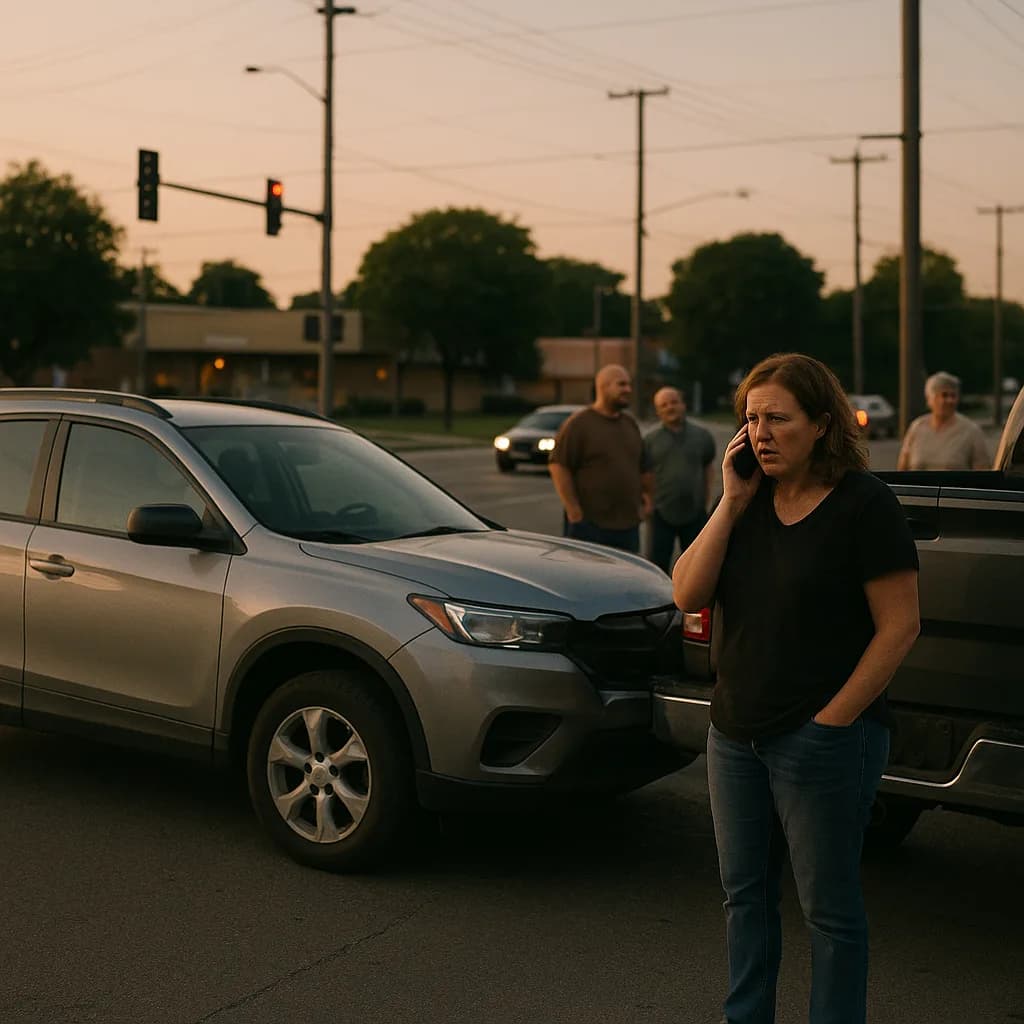
For a financed or leased vehicle, the lienholder requires collision and comprehensive coverage until the loan is paid off. You cannot drop collision on a financed car without violating the loan agreement, and the lender will force-place coverage at a higher cost if you let your policy lapse. For a household with one financed vehicle and one owned outright, collision is mandatory on the financed car and optional on the owned car.
For an owned vehicle, compare the car's actual cash value to your collision premium and deductible. You recover your annual premium in one claim, and the coverage makes sense if you expect to keep the car for several more years.
Related Articles




How Adding or Dropping Collision Re-Rates Your Policy
When you add or drop collision coverage on one vehicle mid-term, the carrier re-rates that vehicle's portion of the policy and adjusts your premium for the remaining term. The multi-car discount remains in place as long as every vehicle stays on the same policy, but the per-vehicle premium changes immediately. Adding collision mid-term increases your premium; dropping it reduces your premium and triggers a prorated refund for the unused portion of the term.
Tennessee carriers calculate collision premiums using each vehicle's actual cash value at the time you bind coverage. If you add a vehicle to your policy and elect collision, the carrier pulls the vehicle's current market value, applies your chosen deductible, and prices the collision coverage accordingly. If you drop collision from an aging vehicle, the carrier removes that vehicle's collision premium from your bill. The liability portion of the policy—your $25,000 property damage minimum and bodily injury coverage—remains unchanged.
Some households structure coverage by carrying collision on newer or higher-value vehicles and liability-only on older or lower-value vehicles, then re-evaluate annually as each car depreciates. Carriers do not penalize mid-term changes, but they do require you to maintain Tennessee's minimum liability limits on every vehicle for the policy to remain valid.
Tennessee Uninsured Motorist Rate
21.3%
21.3% of Tennessee drivers carry no liability insurance. When an uninsured driver causes an accident, you file a claim under your own collision coverage or uninsured motorist property damage coverage if you carry it. Without collision, you absorb the repair cost unless you can collect directly from the at-fault driver.
Insurance Research Council, 2023
Collision and the Multi-Car Discount
The multi-car discount applies to the total policy premium, not to individual coverage elections. When you insure two or more vehicles on one Tennessee policy, the carrier reduces the combined premium by a percentage that reflects the reduced administrative cost and risk diversification of insuring multiple vehicles under one household. The discount applies whether you carry collision on every vehicle, some vehicles, or none.
Dropping collision from one vehicle reduces that vehicle's portion of the premium but does not eliminate the multi-car discount. A household with three vehicles that drops collision from the oldest car still receives the multi-car discount on the remaining liability, comprehensive, and collision premiums across all three vehicles. The discount is a policy-level benefit, not a coverage-level benefit, and it remains in place as long as every vehicle sits on the same policy and shares the same garaging address.
Compare Carriers Writing Multi-Vehicle Policies in Tennessee
Tennessee carriers price collision coverage differently based on each vehicle's repair cost, theft risk, and the household's claim history. A carrier that offers a competitive rate on liability coverage may price collision higher than a competitor, and the best overall premium depends on your specific vehicle mix and coverage elections. Carriers writing multi-vehicle policies in Tennessee include State Farm, GEICO, Progressive, Allstate, Nationwide, Farmers, and Liberty Mutual, among others. Each carrier calculates the multi-car discount and per-vehicle collision premiums using proprietary models, and the lowest total premium varies by household.
When you compare quotes, provide each vehicle's year, make, model, and current mileage, and specify which vehicles you want to carry collision on. The carrier will price each vehicle separately and apply the multi-car discount to the total policy premium. Request quotes with $500 and $1,000 deductibles for each vehicle you're considering collision on—the premium difference between deductibles is often substantial, and a higher deductible can make collision affordable on a vehicle where a lower deductible pushes the annual cost above the threshold.