
You've Met the Minimum, Now What
You carry Tennessee's required $25,000 per person, $50,000 per accident bodily injury liability, and $25,000 property damage liability on every vehicle in your household. You're legal. But you're also wondering whether collision, comprehensive, uninsured motorist, or rental reimbursement coverage is worth the added premium when you're insuring two, three, or four cars on one policy.
The answer is not the same for every vehicle you own. A financed 2023 SUV and a paid-off 2008 sedan sitting in your driveway face different risks and different replacement realities. Optional coverages exist to protect your assets and your ability to replace what you lose, but adding them to every car on a multi-vehicle policy without evaluating each vehicle's exposure wastes money. This article walks through which optional coverages matter for Tennessee households insuring multiple vehicles, and how to structure them without overpaying.
Compare car insurance rates in your state
Get quotes from licensed carriers — no obligation, no spam, results in minutes.
Get Your Free QuoteTennessee Uninsured Motorist Rate
21.3%
More than one in five Tennessee drivers carries no insurance. When an uninsured driver hits your vehicle, your liability coverage pays nothing for your own car or injuries. Uninsured motorist coverage fills that gap.
Tennessee Department of Commerce & Insurance, 2023
What Tennessee Minimums Actually Cover
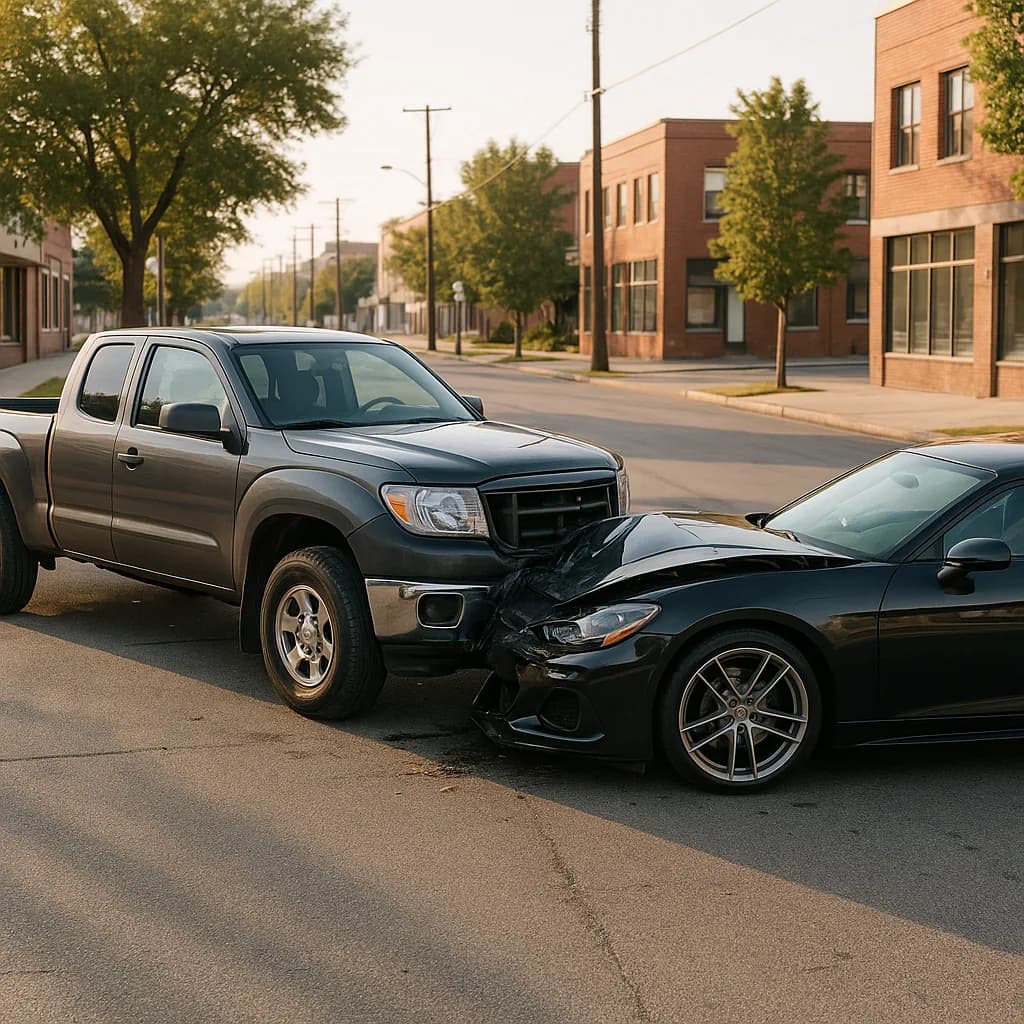
Tennessee's minimum liability limits pay for damage and injury you cause to others. They do not pay for your own vehicle, your own medical bills, or damage caused by an uninsured driver who hits you. If you total your car in an at-fault accident, liability coverage pays the other driver's repair bill. Your car sits unrepaired unless you carry collision coverage.
The $25,000 property damage limit covers the other driver's vehicle and any property you damage. A collision with two newer vehicles can exceed that limit quickly. The $50,000 per-accident bodily injury cap covers all injured parties combined. If you injure three people in one crash, that $50,000 is split among them. Medical bills in serious injury crashes routinely exceed these limits, leaving you personally liable for the difference.
Optional coverages exist to close these gaps. Collision pays for your own vehicle after an at-fault crash. Comprehensive pays for theft, hail, vandalism, and animal strikes. Uninsured and underinsured motorist coverage pays when the other driver has no insurance or insufficient limits. The question for a multi-vehicle household is not whether these coverages have value, but which vehicles in your household justify the added premium.
Tennessee does not require uninsured motorist, collision, or comprehensive coverage. You add them by choice, and you pay for each one on every vehicle it covers.
Collision and Comprehensive: Vehicle Value Drives the Decision
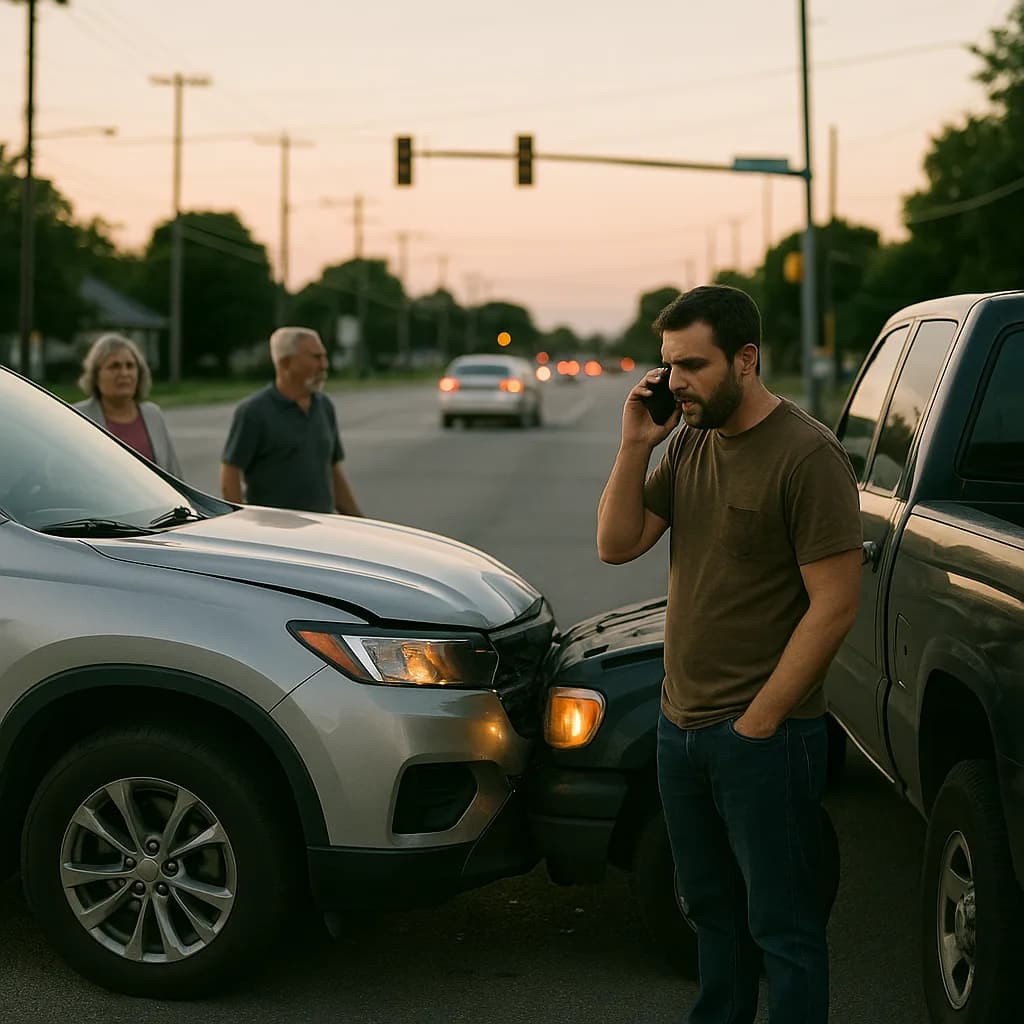
Collision coverage pays to repair or replace your vehicle after a crash, regardless of fault. Comprehensive pays for non-collision damage: theft, hail, fire, vandalism, hitting a deer. Both coverages carry a deductible, typically $500 or $1,000. When your vehicle is totaled or stolen, the insurer pays actual cash value minus your deductible. The coverage becomes less valuable as the vehicle depreciates.
A common rule: if the vehicle's value is less than ten times the annual cost of collision and comprehensive combined, drop both coverages. After three years, you've paid more in premiums than the car is worth. For financed or leased vehicles, lenders require both coverages. For older paid-off vehicles in a multi-car household, dropping them and self-insuring the replacement risk often makes more sense than paying the premium across multiple renewal cycles.
Related Articles


Uninsured and Underinsured Motorist Coverage
Uninsured motorist coverage pays for your injuries and vehicle damage when an at-fault driver has no insurance. Underinsured motorist coverage pays when the at-fault driver's liability limits are too low to cover your losses. Tennessee does not require either coverage, but 21.3% of Tennessee drivers are uninsured. That's more than one in five vehicles on the road.
Uninsured motorist property damage covers your vehicle. Uninsured motorist bodily injury covers your medical bills, lost wages, and pain and suffering. When you're hit by an uninsured driver, your own collision coverage can pay for your car, but it won't cover your injuries. Uninsured motorist bodily injury fills that gap. For households with multiple vehicles and multiple drivers, this coverage protects every person listed on the policy, not just the vehicle.
Underinsured motorist coverage matters when the other driver carries Tennessee's minimum $25,000 per person bodily injury limit and your medical bills exceed that amount. This coverage costs less than collision or comprehensive and protects against a common risk in a state where many drivers carry only the minimum required limits.
Tennessee Minimum Bodily Injury Per Person
$25,000
Many Tennessee drivers carry only the state minimum. A serious injury crash can generate medical bills far exceeding $25,000. Underinsured motorist coverage pays the difference when the at-fault driver's limit is too low.
Tennessee Code Annotated § 55-12-139
Rental Reimbursement and Roadside Assistance
Rental reimbursement pays for a rental car while your vehicle is being repaired after a covered claim. If your household has multiple vehicles and losing one car for a week does not disrupt your ability to get to work or school, rental reimbursement may not be worth the premium. If you rely on every vehicle in your household daily, the coverage provides useful backup.
Roadside assistance covers towing, jump-starts, flat tire changes, lockout service, and fuel delivery. If you already have roadside coverage through AAA, your credit card, or your vehicle manufacturer's warranty, adding it to your insurance policy duplicates the benefit. If you don't have another source and you drive older vehicles prone to breakdowns, the coverage is inexpensive peace of mind. For a multi-vehicle household, evaluate whether you need it on every car or just the ones most likely to need a tow.
How to Structure Optional Coverages Across Multiple Vehicles
Insuring three or four vehicles on one policy means you can tailor coverage to each vehicle's role and value. Your newest financed vehicle carries collision, comprehensive, uninsured motorist, and rental reimbursement because the lender requires the first two and the vehicle's value justifies the rest. Your older paid-off sedan drops collision and comprehensive but keeps uninsured motorist bodily injury because the 21.3% uninsured driver rate in Tennessee makes that risk real. Your third vehicle, driven occasionally, carries liability and uninsured motorist only.
This approach avoids two common mistakes: carrying identical coverage on every vehicle regardless of value, and dropping all optional coverages to minimize premium without evaluating the household's actual exposure. Structure coverage to match what you own and what you can afford to replace. Compare carriers that write multi-vehicle policies and allow per-vehicle coverage customization. Not all carriers price optional coverages the same way, and the difference compounds when you're covering multiple vehicles.
Compare Carriers and Coverage Combinations
Tennessee households insuring multiple vehicles should compare how carriers price collision, comprehensive, and uninsured motorist coverage across the full policy, not just on one vehicle. A carrier that offers a lower base rate but charges more for comprehensive may cost less overall if you're dropping comprehensive on two of your three cars. A carrier that bundles uninsured motorist bodily injury and property damage at a lower combined rate may beat a competitor even if its liability premium is slightly higher.
Request quotes that reflect your actual household structure: the number of vehicles, each vehicle's year and value, which coverages you want on each car, and your chosen deductibles. Compare the total annual premium and the per-vehicle breakdown. Evaluate whether the multi-car discount offsets the cost of optional coverages on your higher-value vehicles. The goal is not the lowest liability-only premium. The goal is the best total cost for the coverage mix that protects your household's actual assets and risks. Use the site's comparison tool to see which Tennessee carriers write multi-vehicle policies and how they structure optional coverage pricing.