What Tennessee Minimum Coverage Actually Protects
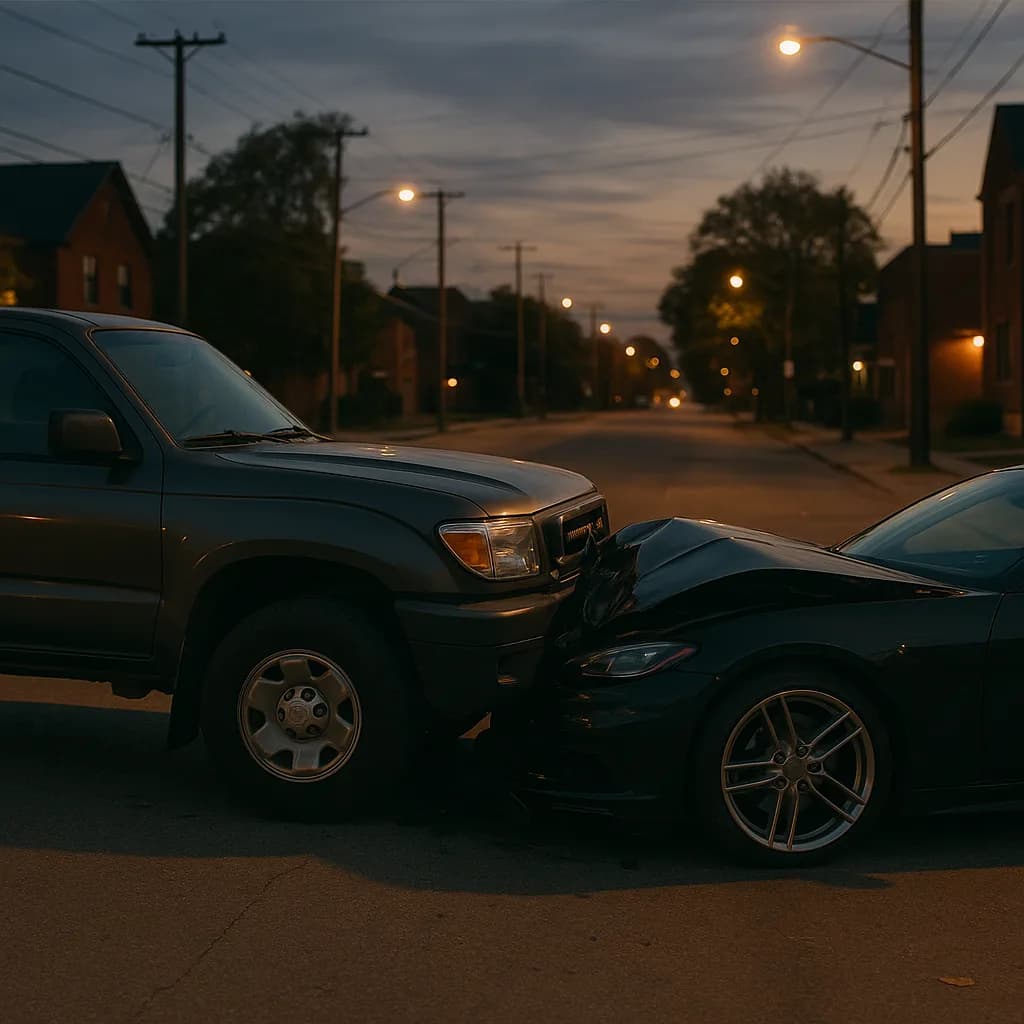
Tennessee minimum liability coverage is $25,000 per person for bodily injury, $50,000 per accident for bodily injury, and $25,000 per accident for property damage. That coverage pays for damage you cause to other people and their property. It does not pay to repair or replace your own vehicle after a crash, regardless of fault.
If you total your car in a single-vehicle accident or the at-fault driver has no insurance, Tennessee minimum coverage leaves you with a total loss and no insurance check. You pay the full replacement cost out of pocket. For households managing multiple vehicles, that exposure multiplies across every car on the policy that carries only the state minimum.
Compare car insurance rates in your state
Get quotes from licensed carriers — no obligation, no spam, results in minutes.
Get Your Free QuoteTennessee Uninsured Motorists
21.3%
More than one in five Tennessee drivers carries no insurance. When an uninsured driver hits you, your minimum-coverage policy pays nothing to fix your car. Full coverage includes collision, which repairs your vehicle regardless of the other driver's insurance status.
Insurance Information Institute, 2023
What Full Coverage Adds to the State Minimum
Full coverage combines Tennessee's required liability minimum with collision and comprehensive coverage. Collision pays to repair your car after a crash with another vehicle or object, minus your deductible. Comprehensive pays for theft, vandalism, hail, fire, and animal strikes. Both coverages protect your vehicle; liability protects other people.
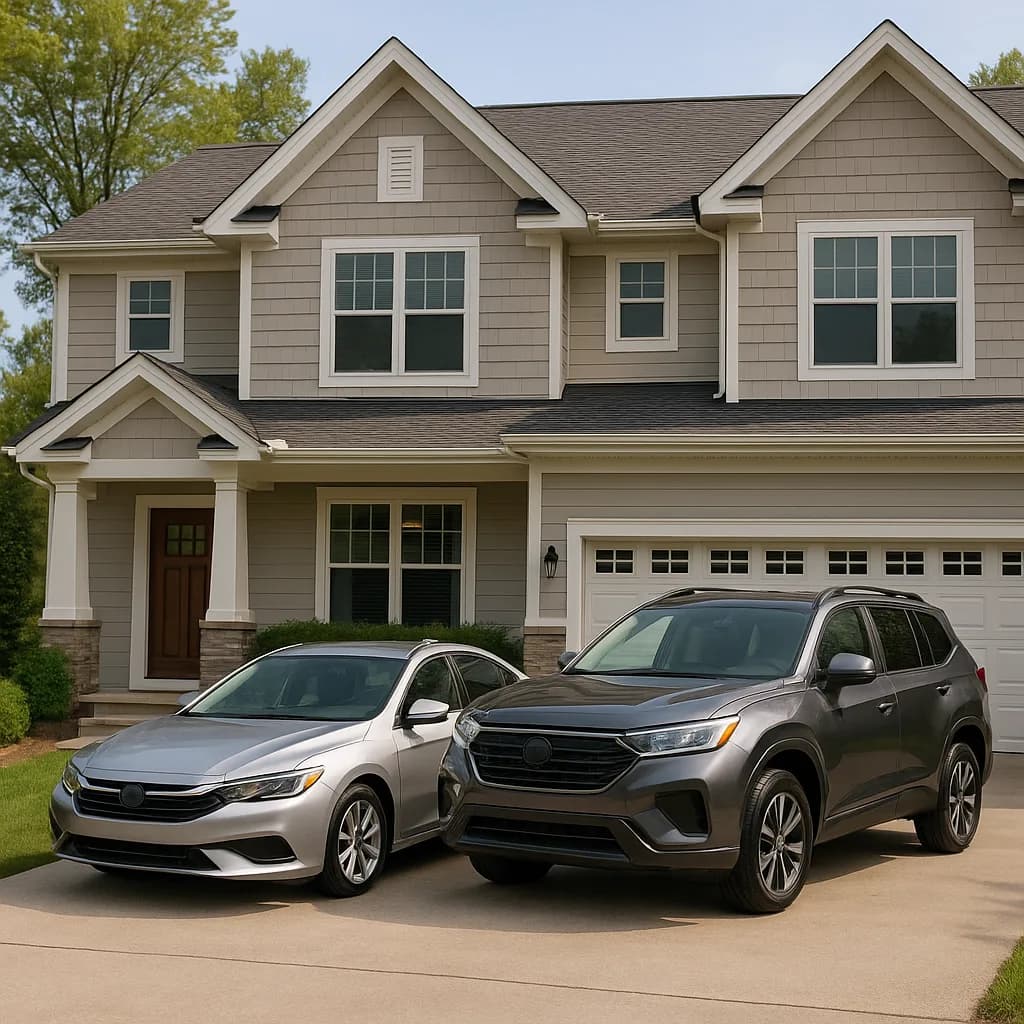
A household with two financed cars and minimum liability faces a scenario where both vehicles can be totaled in separate incidents and the policy pays nothing toward either replacement. Full coverage on both cars shifts that risk to the carrier. The deductible is your only out-of-pocket exposure per incident, typically $500 or $1,000 per vehicle.
Tennessee does not mandate collision or comprehensive. Lenders require both on financed vehicles. Once the loan is paid, the decision to keep full coverage or drop to minimum liability is yours. The structural question is whether you can replace the vehicle without insurance if it's totaled.
Tennessee minimum liability pays zero dollars to repair your own car. If you cannot replace the vehicle out of pocket after a total loss, you need collision and comprehensive.
When Minimum Coverage Leaves You Exposed

Single-vehicle crash. You slide off the road in winter weather and total your car. Tennessee minimum liability covers damage you cause to other people's property, not your own. You pay the full replacement cost. If the vehicle is financed, you still owe the lender the remaining loan balance even though the car is gone. Gap insurance covers the difference between the car's value and the loan payoff, but only if you carry collision in the first place.
Uninsured motorist hits you. Tennessee's 21.3% uninsured rate means roughly one in five drivers on the road has no coverage. When an uninsured driver totals your car, their nonexistent policy pays nothing. Your minimum-liability policy also pays nothing to fix your vehicle. Collision coverage on your policy repairs your car regardless of the other driver's insurance status. You pay your deductible; the carrier pays the rest.
Related Articles



How to Decide Which Coverage Fits Your Household
The decision framework is replacement cost versus premium difference. If a vehicle is totaled, can you replace it without insurance? If yes, minimum liability is structurally sufficient. If no, you need collision and comprehensive. Apply this test to every vehicle on your policy separately.
A household with one paid-off older car and one financed newer car can carry minimum liability on the older vehicle and full coverage on the financed one. The lender requires full coverage on the financed car. The older car's replacement cost may be low enough that you'd rather pay out of pocket than carry collision and comprehensive. That mixed structure is common and appropriate.
Carriers write multi-car policies with different coverage levels per vehicle. The multi-car discount applies to the policy as a whole, not to individual vehicles. Dropping collision and comprehensive on one car does not forfeit the multi-car discount as long as every vehicle stays on the same policy. The discount typically reduces each vehicle's premium by 10 to 25 percent compared to separate policies, though exact amounts vary by carrier and are not disclosed in rate filings.
Tennessee Property Damage Minimum
$25,000
Tennessee's $25,000 property damage liability limit covers damage you cause to other vehicles and property. A crash involving multiple vehicles or high-value cars can exceed that limit quickly. The at-fault driver pays the excess out of pocket. Higher liability limits cost more but protect your assets if you cause a serious crash.
Tennessee Department of Safety and Homeland Security
What Happens After a Total Loss Under Each Coverage Type
Under minimum liability, a total loss to your own vehicle triggers no insurance payout. You file no claim because your policy does not cover your car. You pay the full replacement cost, continue making loan payments if the vehicle was financed, and handle the vehicle title and salvage process yourself. The carrier's involvement ends unless you caused damage to another party, in which case liability coverage pays that claim.
Under full coverage, you file a collision or comprehensive claim depending on the cause of loss. The carrier inspects the vehicle, determines it's a total loss, and pays you the actual cash value minus your deductible. If the vehicle is financed, the payout goes to the lender first to satisfy the loan. Any remaining amount goes to you. If you carry gap insurance and the loan balance exceeds the vehicle's value, gap covers the difference. You use the payout to replace the vehicle or, if the loan is satisfied, you keep the money.
Compare Carriers That Write Multi-Car Policies in Tennessee
Tennessee households managing multiple vehicles should compare carriers that write multi-car policies and offer both minimum liability and full coverage options. The carrier roster in Tennessee includes State Farm, GEICO, Progressive, Allstate, Nationwide, Farmers, Liberty Mutual, Travelers, USAA, and others. Not every carrier writes the same coverage combinations or applies the multi-car discount the same way.
Request quotes with both minimum liability and full coverage on each vehicle. Compare the premium difference per vehicle and the total policy cost. Carriers that specialize in multi-car households often structure discounts to reward keeping every vehicle on one policy. The comparison shows you the actual dollar difference between minimum and full coverage for your specific household, vehicles, and driving records. Use that figure to decide whether the coverage gap justifies the premium difference.