The Multi-Vehicle Coverage Question
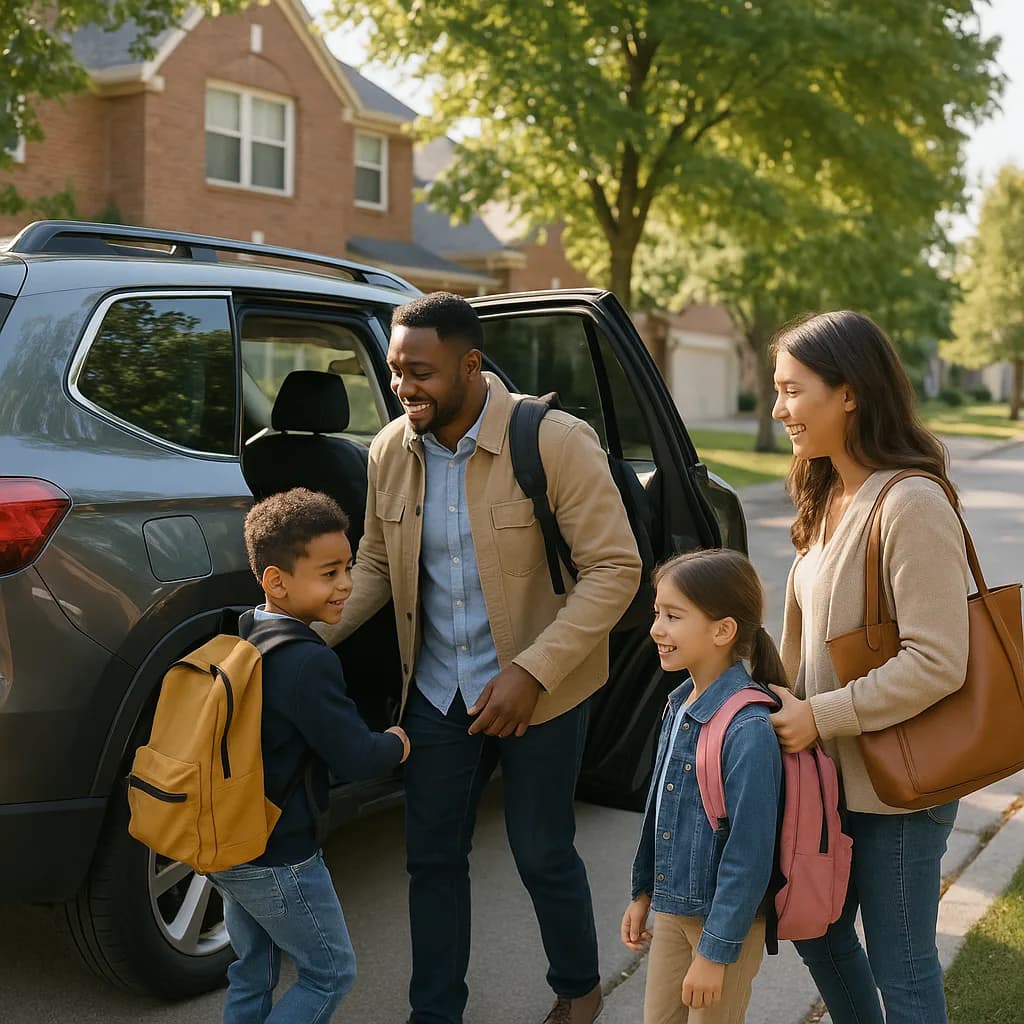
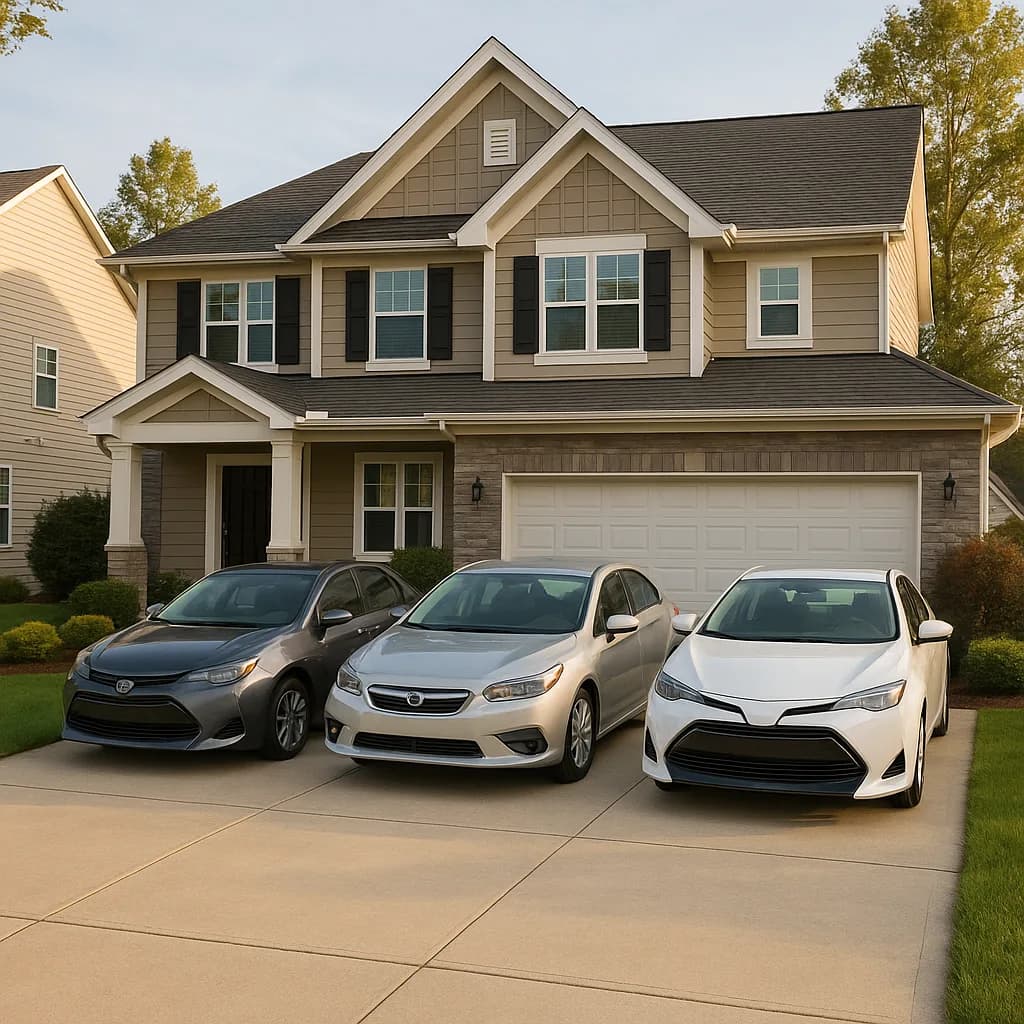
You own three cars. One is a 2018 sedan you drive daily, one is a 2012 truck you use for weekend projects, and one is a 2008 compact your teenager drives to school. All three sit on the same Tennessee auto policy, and you're paying for collision and comprehensive on every vehicle.
The structural question is not whether full coverage makes sense in the abstract. It's whether you can drop it on one vehicle without disrupting the multi-car discount, re-rating the entire policy, or leaving a gap that affects the other two cars. Standard advice treats this as a single-car decision. It is not. When multiple vehicles share one policy, the coverage structure on each car interacts with the discount, the base rate, and the household's total exposure.
Compare car insurance rates in your state
Get quotes from licensed carriers — no obligation, no spam, results in minutes.
Get Your Free QuoteTennessee Minimum Liability
$25,000 / $50,000 / $25,000
Tennessee requires $25,000 bodily injury per person, $50,000 per accident, and $25,000 property damage. These minimums apply to every vehicle on the policy, regardless of whether you carry collision or comprehensive.
Tennessee Department of Safety and Homeland Security
What Dropping Full Coverage Actually Means on a Multi-Car Policy
Full coverage is collision plus comprehensive plus liability. Dropping full coverage means removing collision and comprehensive from one specific vehicle while keeping liability at or above Tennessee's minimums. The liability coverage remains mandatory for every car on the policy. You cannot drop liability below $25,000/$50,000/$25,000 on any vehicle and remain legal to drive in Tennessee.
When you drop collision and comprehensive on one car, that car is no longer insured for physical damage to itself. If the truck is totaled in a crash you cause, the policy pays nothing toward repairing or replacing it. If it's stolen, the policy pays nothing. If a tree falls on it, the policy pays nothing. Liability still covers damage you cause to other people and their property, but your own vehicle's damage is your own cost.
The multi-car discount applies to the policy as a whole, not to individual vehicles. Dropping collision and comprehensive on one car does not remove that car from the multi-car count. The truck still qualifies for the discount even when it carries only liability. The discount percentage stays the same, but the premium it applies to shrinks because you've removed two coverages from one vehicle's base rate.
Dropping collision and comprehensive on one vehicle does not forfeit the multi-car discount for the other vehicles, but it does re-rate the policy mid-term if you make the change before renewal.
The Vehicle-by-Vehicle Decision Framework
Start with the vehicle's actual cash value. Not what you paid for it, not what you think it's worth — the amount an insurer would pay if it were totaled today, minus your deductible. After six years, you've paid more in premiums than the vehicle is worth.
The conventional threshold is 10 percent. If annual collision and comprehensive premiums exceed 10 percent of the vehicle's value, most households come out ahead by dropping coverage and self-insuring. The math says drop it. The household question is whether you can afford to replace the truck out of pocket if it's totaled next month, and whether the other two vehicles' coverage structure allows you to make the change without disrupting the policy.
Related Articles



How the Change Affects the Rest of the Policy
Removing collision and comprehensive from one vehicle re-rates the policy. The carrier recalculates the premium for the remaining coverages on all three vehicles, applies the multi-car discount to the new total, and issues a revised premium. If you make the change mid-term, you receive a prorated refund for the removed coverages. If you make it at renewal, the new premium simply reflects the reduced coverage.
The multi-car discount does not disappear. The truck still counts as a vehicle on the policy. The discount percentage — typically 10 to 25 percent depending on the carrier — applies to the new, lower base rate. The total premium drops, but not by the full amount of the removed coverages, because the discount now applies to a smaller base.
Some carriers require that at least one vehicle on a multi-car policy carry full coverage. This is not a Tennessee legal requirement; it is a carrier underwriting rule. If your carrier enforces this rule and you drop collision and comprehensive on the only vehicle that carries them, the carrier may refuse the change or require you to split the policy. Check your policy documents or call your carrier before making the change. If the rule applies and you want to proceed, you'll need to move the liability-only vehicle to a separate policy, which forfeits the multi-car discount for that car.
Tennessee Uninsured Motorist Rate
21.3%
More than one in five Tennessee drivers carries no insurance. Uninsured motorist coverage protects your household when an at-fault driver cannot pay. Dropping collision does not affect UM coverage, but it does mean you cannot recover your own vehicle's damage from your own policy after a hit-and-run.
Insurance Research Council, 2023
What Happens When You Drop Coverage on One Car but Not the Others
The 2018 sedan and the teenager's 2008 compact keep full coverage. The 2012 truck carries only liability. If the truck is totaled in a crash you cause, you receive no payout for the truck itself. If the sedan is totaled in the same crash, the policy pays the sedan's actual cash value minus the deductible. The coverage is vehicle-specific, not policy-wide.
If an uninsured driver totals the truck, your uninsured motorist property damage coverage may pay for the truck's damage, depending on whether you carry UMPD and whether Tennessee allows it to cover your own vehicle. Tennessee does not require UMPD, and many policies exclude it or limit it to other-vehicle damage only. If your policy includes UMPD and it covers your own vehicle, it pays up to the truck's value minus your deductible. If it does not, you recover nothing for the truck. The sedan and compact remain fully covered under their own collision coverage.
Lienholders do not allow liability-only coverage. If the truck has a loan or lease, the lender requires collision and comprehensive until the loan is paid off. You cannot drop full coverage on a financed vehicle without violating the loan agreement, which allows the lender to force-place coverage at your expense. The 2018 sedan and 2008 compact can carry different coverage levels only if both are owned outright or if their lienholders permit it.
Compare Carriers Before You Drop Coverage
Carriers price collision and comprehensive differently, and the gap widens on older vehicles. The decision to drop coverage depends on the price, and the price depends on the carrier. Before you remove collision and comprehensive, compare what other carriers writing multi-car policies in Tennessee would charge for the same coverage on all three vehicles.
The multi-car discount varies by carrier. One may offer 15 percent off each vehicle; another may offer 25 percent but start with a higher base rate. A smaller discount on a lower base rate can beat a larger discount on a higher one. When you compare, compare the total premium for all three vehicles with the coverage structure you want — full coverage on two, liability-only on one — not the per-vehicle breakdown. The household pays one premium; the household comparison is the one that matters.