When Comprehensive Applies to Some Cars but Not Others
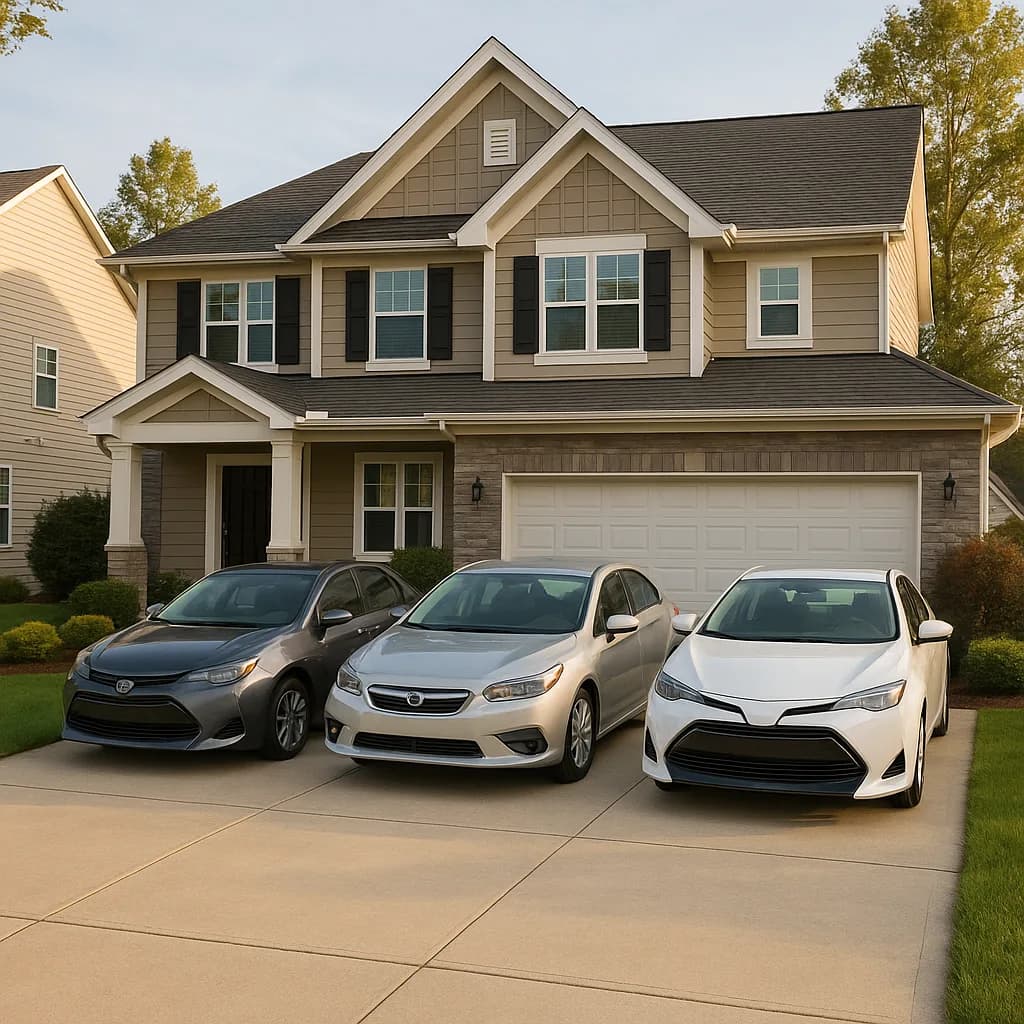
You own three vehicles in Tennessee — a 2022 sedan, a 2015 truck, and a 1998 pickup you use for hauling — and you're trying to figure out whether you need comprehensive on all three. The sedan is financed, so the lender requires it. The truck is paid off but worth enough that you want it protected. The old pickup sits most of the year and you're wondering if you can drop comprehensive from that one without affecting coverage on the other two.
Comprehensive is a per-vehicle coverage. It protects each car individually against theft, vandalism, weather damage, falling objects, fire, and animal strikes. When you drop comprehensive from one vehicle on a multi-car policy, only that vehicle loses the protection — the others remain covered at the level you selected for each. The policy does not treat comprehensive as a blanket coverage across all vehicles; it prices and applies it separately to each car based on that car's value, theft risk, and garaging location.
Compare car insurance rates in your state
Get quotes from licensed carriers — no obligation, no spam, results in minutes.
Get Your Free QuoteTennessee Uninsured Motorist Rate
21.3%
One in five Tennessee drivers carries no insurance, increasing the likelihood your parked vehicle will be hit by an uninsured driver who flees. Comprehensive does not cover hit-and-run damage to a parked car — collision does — but the high uninsured rate underscores the importance of protecting vehicles against all non-collision risks when you cannot control who parks near you.
NAIC Auto Insurance Database Report 2023
How Comprehensive Works on a Multi-Car Policy
Each vehicle on your Tennessee policy has its own comprehensive election. You choose a deductible — typically $500 or $1,000 — for each car separately. The carrier prices comprehensive based on each vehicle's year, make, model, theft rate in your ZIP code, and garaging address. A 2022 sedan garaged in Memphis will carry a higher comprehensive premium than a 2015 truck garaged in a rural county, even on the same policy.
When a claim happens, comprehensive pays the actual cash value of the damage minus your deductible, up to the vehicle's current market value. If your truck is stolen, the carrier pays you the truck's value minus the deductible you selected for that vehicle. The sedan's comprehensive coverage is unaffected — it remains in force at its own deductible and limit. Dropping comprehensive from the old pickup does not change the coverage or premium on the other two vehicles.
Lenders and lessors require comprehensive on financed vehicles. If you drop it while a loan or lease is active, the lender will force-place coverage at a much higher cost and bill you for it. Once a vehicle is paid off, the decision is yours. The conventional threshold: if the vehicle is worth less than ten times the annual comprehensive premium, many households drop the coverage and self-insure the risk.
Comprehensive is priced and applied per vehicle. Dropping it from one car on a multi-car policy leaves that car unprotected but does not affect coverage on the others.
What Comprehensive Covers Across Multiple Vehicles

Comprehensive covers theft of the vehicle or its parts, vandalism and malicious damage, fire and explosion, weather events including hail and flood, falling objects such as tree limbs, and animal strikes. It does not cover collision with another vehicle or object — that requires collision coverage — and it does not cover mechanical breakdown or wear. When you have multiple vehicles, each car's comprehensive coverage responds independently. If hail damages two cars in your driveway, you file two separate claims, each subject to its own deductible.
Tennessee weather patterns make comprehensive particularly relevant for households with multiple vehicles. The state sees severe thunderstorms, tornadoes, and occasional ice storms. A hailstorm can damage every vehicle parked outside at the same address on the same night. If you carry comprehensive on all three vehicles, each claim is paid separately after its deductible. If you dropped comprehensive from the old pickup to save premium, that vehicle's damage is your responsibility — the other two are still covered.
Related Articles





Structuring Comprehensive Across a Fleet
Most Tennessee households with multiple vehicles carry comprehensive on financed cars and newer paid-off vehicles, then drop it from older vehicles worth less than a few thousand dollars. The decision turns on whether you can afford to replace the vehicle out of pocket if it is stolen or totaled by a non-collision event.
Deductible selection affects premium significantly. Raising the deductible from $500 to $1,000 typically lowers the comprehensive premium by 20 to 30 percent per vehicle. On a multi-car policy, you can mix deductibles — a $500 deductible on the financed sedan where you want lower out-of-pocket cost at claim time, and a $1,000 deductible on the paid-off truck where you are willing to absorb more risk in exchange for a lower premium. The carrier prices each vehicle independently; the deductible you choose for one does not constrain the others.
These programs apply per vehicle, not per policy. If you have three cars on one policy and file a comprehensive claim on one, that vehicle's deductible resets but the others continue to accrue their reduction. Ask your carrier whether the program is available and whether it applies separately to each vehicle on a multi-car policy.
Tennessee Vehicle Theft Rate
339.9 per 100k
Tennessee's motor vehicle theft rate is 339.9 per 100,000 population, higher than the national median. Urban counties see higher rates than rural areas. Comprehensive is the only coverage that pays when your vehicle is stolen; collision and liability do not apply. Households with multiple vehicles often prioritize comprehensive on the newest or highest-value cars and drop it from older vehicles with lower theft appeal.
FBI Uniform Crime Reporting, 2024
When Dropping Comprehensive Makes Sense
Drop comprehensive when the vehicle's market value falls below ten times the annual premium. At that ratio, most households self-insure and use the premium savings to build a replacement fund or cover other vehicles.
Tennessee does not require comprehensive coverage. The state mandates only liability insurance — $25,000 per person and $50,000 per accident for bodily injury, and $25,000 for property damage. Comprehensive is optional unless a lender requires it. Once a vehicle is paid off and its value drops, you control the decision. Carriers do not penalize you for dropping comprehensive from one vehicle while keeping it on others; the multi-car discount applies to the policy as a whole and is not affected by coverage elections on individual vehicles.
Compare Carriers That Write Multi-Car Policies in Tennessee
Comprehensive pricing varies significantly across carriers, even for the same vehicle and deductible. When you have multiple vehicles, the difference compounds. The only way to know is to compare quotes from carriers that write multi-car policies in your county. Tennessee licenses dozens of carriers; not all write non-standard or older vehicles, and not all offer competitive multi-car rates. Request quotes that show comprehensive pricing separately for each vehicle so you can see where the cost concentrates and decide which cars to cover.