
Tennessee Requires Liability Only
Tennessee law requires liability insurance only: $25,000 bodily injury per person, $50,000 per accident, and $25,000 property damage. The state does not require collision or comprehensive coverage on any vehicle you own. You can legally register and drive every car in your household with liability alone.
Full coverage — the combination of liability, collision, and comprehensive — is optional in Tennessee. Lenders require it when you finance or lease a vehicle, but once the loan is paid off the state imposes no requirement to keep it. Most multi-car households face this decision at least once: whether to carry full coverage on all vehicles or drop it on one.
Compare car insurance rates in your state
Get quotes from licensed carriers — no obligation, no spam, results in minutes.
Get Your Free QuoteTennessee Liability Minimums
$25,000 / $50,000 / $25,000
These limits cover injury and property damage you cause to others. They do not cover damage to your own vehicles — that requires collision and comprehensive coverage.
Tennessee Department of Safety and Homeland Security
What Full Coverage Actually Covers
Full coverage is not a product — it is shorthand for a liability policy with collision and comprehensive added. Collision pays to repair or replace your vehicle after an accident with another car or object. Comprehensive pays for theft, vandalism, weather damage, fire, and animal strikes. Both coverages protect your vehicle; liability protects other people's property and medical bills.
When you insure multiple vehicles, full coverage applies per vehicle. You choose collision and comprehensive separately for each car on the policy. A household with three vehicles can carry full coverage on two and liability-only on the third. The premium reflects the coverage elected for each vehicle.
Collision and comprehensive each carry a deductible — the amount you pay before the insurer pays the rest. A $500 or $1,000 deductible is common. The deductible applies per claim, not per vehicle. If two cars are damaged in the same accident, you pay the deductible twice.
Tennessee does not require full coverage, but liability alone leaves every vehicle in your household unprotected. If your car is totaled, liability pays nothing toward replacing it.
When Full Coverage Makes Sense for Multiple Vehicles
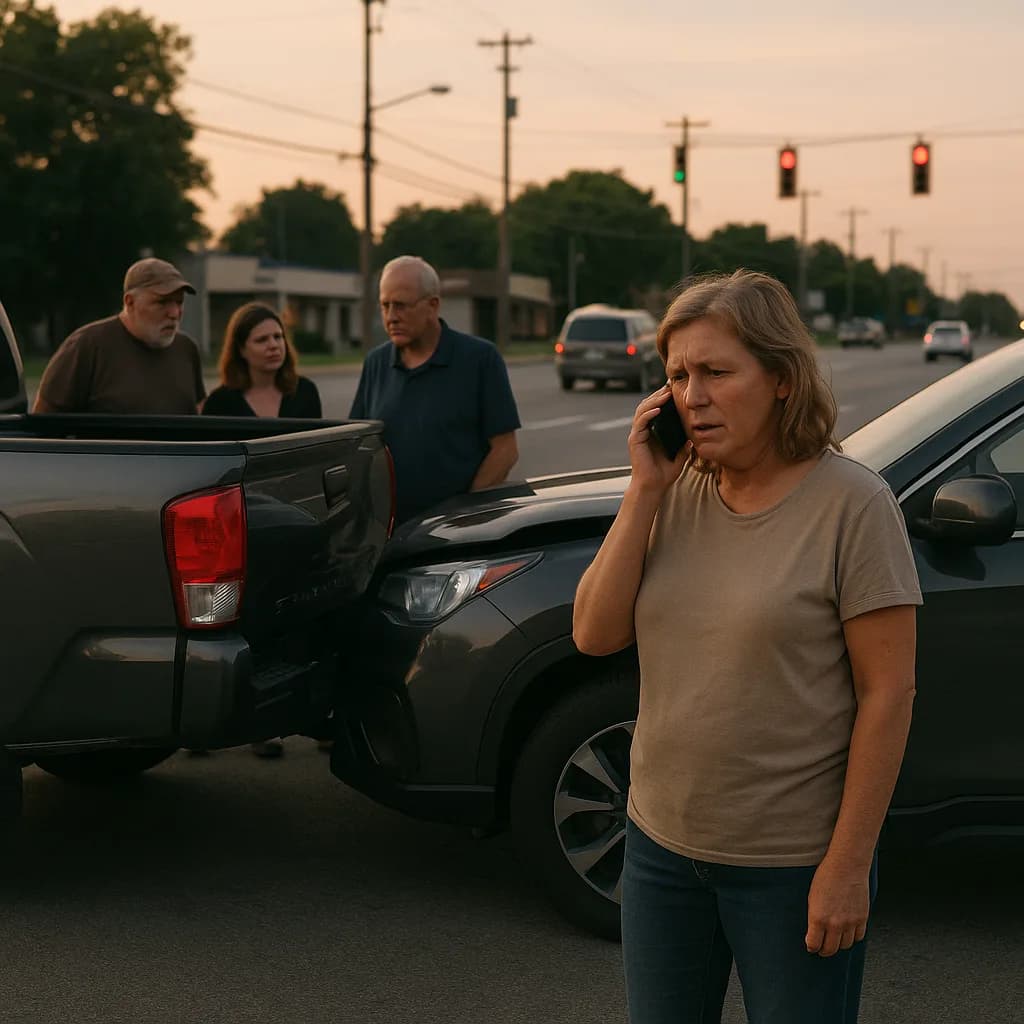
A conventional threshold: if the vehicle is worth more than ten times the annual collision and comprehensive premium, full coverage typically makes financial sense.
Multi-car households often split coverage: full coverage on the newer or higher-value vehicles, liability-only on the older paid-off car. This approach protects the household's most valuable assets while reducing premium on the vehicle you could afford to replace out of pocket. The multi-car discount applies to the entire policy regardless of which vehicles carry full coverage, so dropping collision and comprehensive on one vehicle does not forfeit the discount.
Related Articles



How Dropping Coverage on One Vehicle Affects the Policy
Removing collision and comprehensive from one vehicle re-rates the policy but does not break it. The multi-car discount remains in place as long as all vehicles sit on the same policy. The premium drops by the amount of the collision and comprehensive coverage removed, minus any small policy-fee adjustment.
Carriers treat each vehicle as a separate coverage unit. You can change coverage on one vehicle mid-term without affecting the others. Most carriers allow the change online or by phone. The adjustment is prorated — if you drop full coverage halfway through the term, you receive a refund for the unused portion.
One structural quirk: if you drop collision and comprehensive on the only financed vehicle on the policy, the lender will force-place coverage at a higher rate and bill you separately. Lenders monitor insurance continuously and will not permit a gap. Verify the loan is paid off before removing full coverage.
Tennessee Uninsured Motorist Rate
21.3%
More than one in five Tennessee drivers carry no insurance. Uninsured motorist coverage protects you when an at-fault driver cannot pay, but it does not cover damage to your own vehicle — only collision does.
Insurance Information Institute, 2023
Liability-Only Leaves Your Vehicles Unprotected
Tennessee does not require uninsured motorist coverage, and 21.3% of drivers on Tennessee roads carry no insurance. If an uninsured driver totals your car, their liability coverage does not exist. Your liability coverage does not pay for your own vehicle. Without collision coverage, you pay to replace the car yourself or pursue the at-fault driver in court — a process that often recovers nothing.
Comprehensive coverage protects against non-collision losses that liability never covers: theft, hail, flooding, fire, and vandalism. Tennessee sees significant weather-related vehicle damage, particularly in spring storm season. A hailstorm that damages three vehicles in your driveway is a comprehensive claim — liability pays nothing, and if you dropped comprehensive to save premium, you pay all repair costs out of pocket.
Compare Coverage Across Your Household's Vehicles
The decision to carry full coverage is not all-or-nothing. Evaluate each vehicle separately: its current value, your ability to replace it, how you use it, and whether a lender requires coverage. A household with a financed SUV, a paid-off sedan, and an older truck might carry full coverage on the SUV, liability plus comprehensive on the sedan, and liability-only on the truck.
Request quotes with different coverage combinations. Carriers that write multi-car policies in Tennessee include State Farm, GEICO, Progressive, Allstate, Farmers, Nationwide, and USAA. Compare the premium difference between full coverage on all vehicles and selective coverage. The gap is often smaller than expected, particularly when the multi-car discount applies to the entire policy. Tennessee's minimum liability requirements apply to every vehicle, but the collision and comprehensive decision is yours to make per vehicle.