
The Lender Requirement Collision
You bought a car in Tennessee with a loan, registered it with proof of the state's minimum liability coverage, and assumed you were done. Then the lender sent a notice: add comprehensive and collision within 30 days or they will force-place coverage at triple the cost and bill you directly. Tennessee law requires $25,000 bodily injury per person, $50,000 per accident, and $25,000 property damage — but your loan contract requires full coverage protecting the lender's collateral, not just other drivers you might injure.
This is not a gap in Tennessee law. The state mandates liability to protect others; the lender mandates physical-damage coverage to protect the asset securing the loan. Both systems operate simultaneously, and meeting one does not satisfy the other.
Compare car insurance rates in your state
Get quotes from licensed carriers — no obligation, no spam, results in minutes.
Get Your Free QuoteTennessee Minimum Liability
$25,000 / $50,000 / $25,000
Tennessee requires $25,000 bodily injury per person, $50,000 per accident, and $25,000 property damage. These limits satisfy state registration and proof-of-insurance rules but do not cover damage to your own financed vehicle.
Tennessee Department of Safety, Driver Services
What Tennessee Law Actually Requires
Tennessee law mandates liability coverage only. Liability pays for injuries and property damage you cause to others in an at-fault accident. It does not pay to repair or replace your own vehicle. The state's minimum limits — $25,000 per person injured, $50,000 per accident, and $25,000 for property damage — are the floor for legal registration and driving, not a recommendation for adequate protection.
Comprehensive and collision are optional under Tennessee law. Comprehensive covers theft, vandalism, weather damage, and animal strikes. Collision covers damage from accidents regardless of fault. Neither is required by the state to register a vehicle or maintain a valid license. A driver who owns a car outright can legally carry liability only and self-insure the vehicle's value.
The confusion arises because Tennessee's proof-of-insurance requirement — showing an insurance card at registration or during a traffic stop — does not distinguish between liability-only and full-coverage policies. Both satisfy the state's legal checkpoint. The lender's requirement is contractual, not statutory, and operates outside Tennessee's insurance code entirely.
Carrying only Tennessee's minimum liability on a financed car breaches your loan contract, triggering forced-placement insurance and repossession rights even when you are legally registered.
What the Loan Contract Demands

The lender holds a lien on the vehicle, meaning they own it until you make the final payment. If the car is totaled in an accident, stolen, or damaged beyond repair, the lender loses the collateral securing the loan unless insurance pays the replacement cost. Liability coverage does not protect the lender — it only pays claims against you. Comprehensive and collision protect the asset itself, which is why every loan contract mandates both as a condition of financing.
Loan contracts specify minimum deductibles, usually $500 or $1,000, and require the lender to be named as loss payee on the policy. When a claim is paid, the check goes to the lender first to satisfy the outstanding loan balance; any remainder goes to you. If you drop comprehensive or collision, or if the policy lapses, the lender receives an electronic notice from the state or the carrier within days. The contract gives them the right to force-place coverage — a lender-purchased policy that protects only their interest, not yours, at a cost two to three times higher than voluntary coverage — and add the premium to your loan balance with interest.
Related Articles




What Happens When You Drop Full Coverage
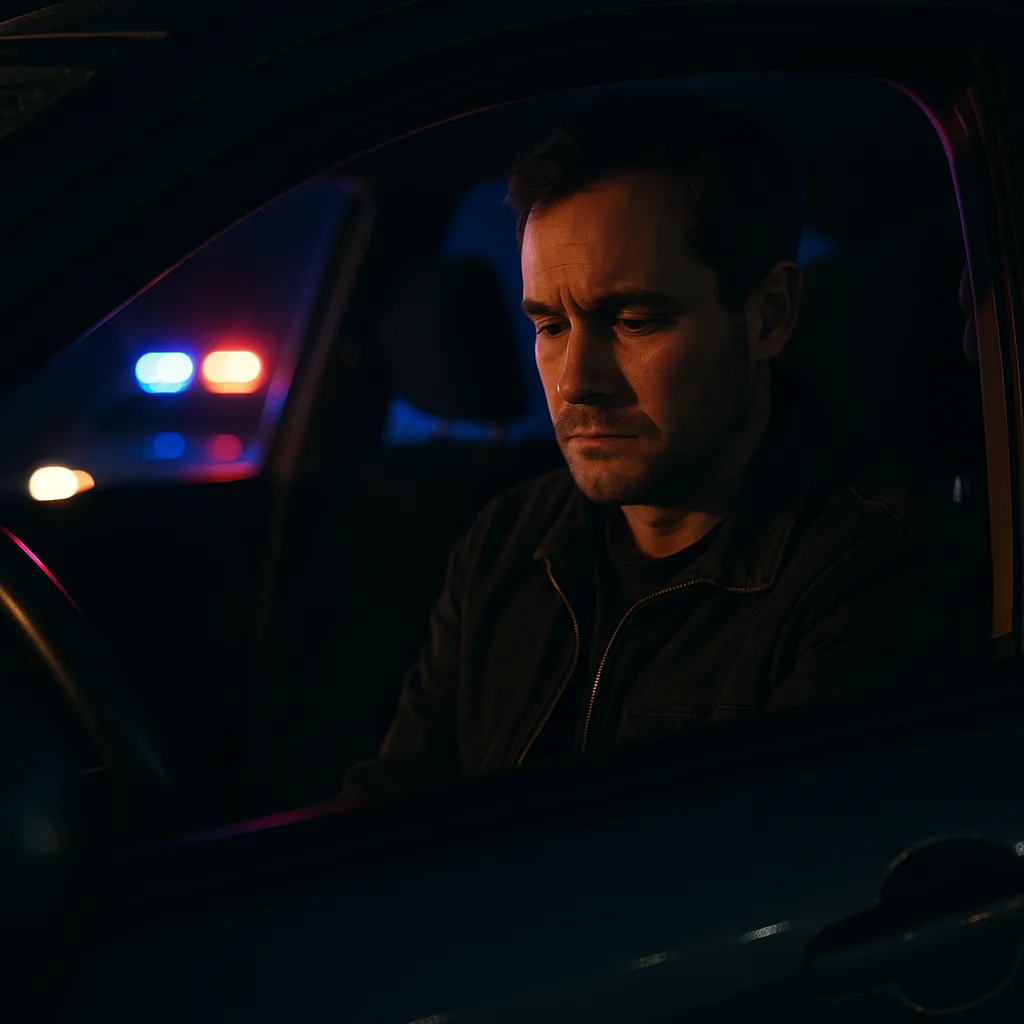
Most drivers who drop comprehensive and collision on a financed vehicle do so to lower the monthly premium, assuming the lender will not notice or that the savings justify the risk. The lender notices immediately. Tennessee carriers report policy changes electronically to lienholders within 24 to 48 hours. The lender sends a breach notice giving you 10 to 30 days to reinstate full coverage and provide proof. If you do not comply, they purchase forced-placement insurance and bill you for the premium, often adding it to the loan principal where it accrues interest for the life of the loan.
Forced-placement policies cost significantly more than voluntary coverage because they carry no competition and no underwriting incentive to price fairly. The policy protects only the lender's interest — it does not cover liability, medical payments, or uninsured motorist claims that would protect you. You are paying for insurance that benefits only the bank.
If you cannot afford the forced premium and fall behind on loan payments, the lender can accelerate the loan — declare the full balance due immediately — and repossess the vehicle. Tennessee is a self-help repossession state, meaning the lender can take the car without a court order as long as they do not breach the peace. Dropping comprehensive and collision to save money can end with losing the car, owing the deficiency balance after auction, and damaging your credit for seven years.
Tennessee Uninsured Motorist Rate
21.3%
More than one in five Tennessee drivers carries no insurance at all. Liability-only coverage on a financed car leaves you unprotected if an uninsured driver totals your vehicle — you still owe the loan, but the car is gone.
Insurance Information Institute, 2023
How to Structure Coverage on a Financed Vehicle
Meet both the state requirement and the loan contract by carrying comprehensive, collision, and liability together. Tennessee's minimum liability limits are the legal floor, but they are not adequate for most drivers. A single serious accident can generate medical bills and property damage far exceeding $50,000, leaving you personally liable for the difference.
Choose a deductible you can afford to pay out of pocket if the car is damaged or stolen. If the vehicle's value drops below the loan balance — common in the first two years of financing — add gap insurance to cover the difference if the car is totaled.
Compare Carriers That Write Tennessee Multi-Vehicle Policies
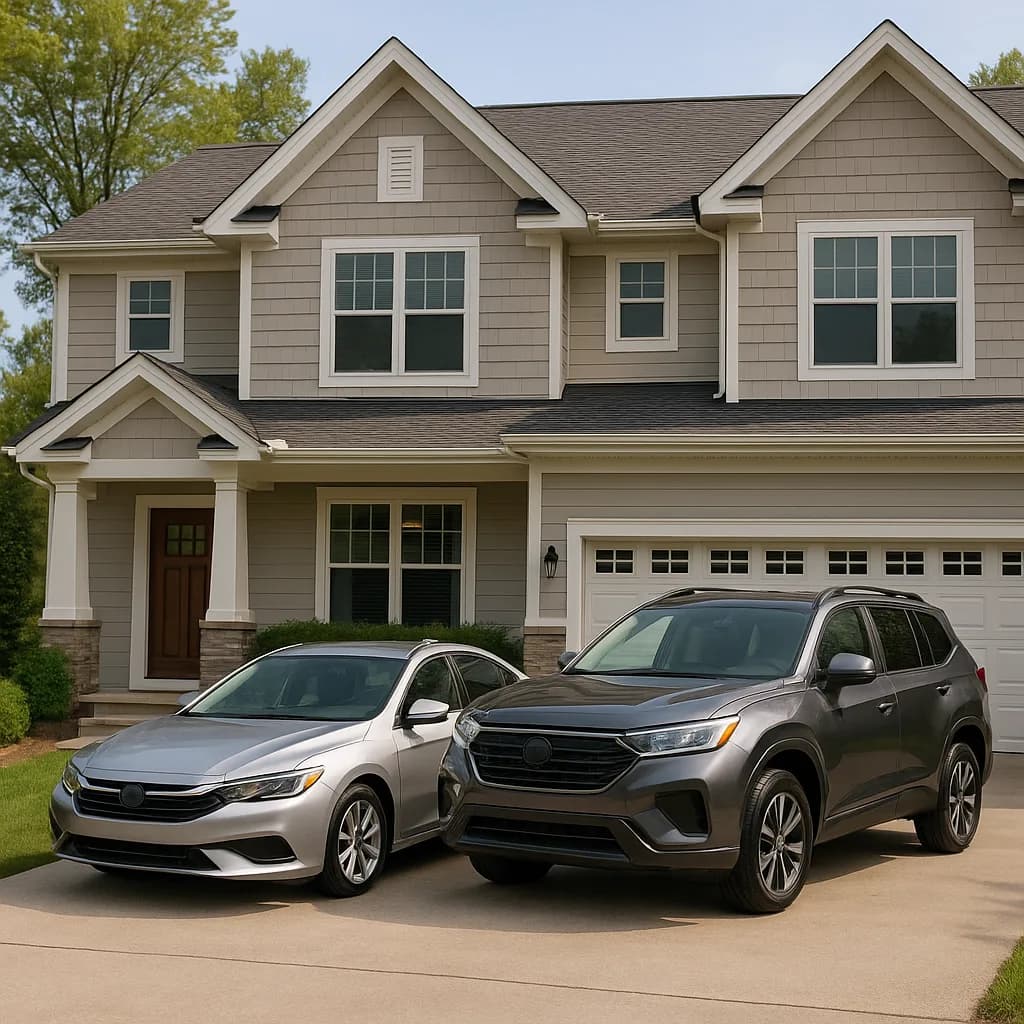
If you are financing one car in a multi-vehicle household, the policy covering that car must include comprehensive and collision, but the other vehicles on the policy can carry liability only if they are owned outright. Tennessee households insuring two or more vehicles qualify for multi-car discounts that lower the per-vehicle premium when all cars sit on the same policy. Carriers writing Tennessee multi-vehicle policies include State Farm, GEICO, Progressive, Allstate, Nationwide, and Farmers, among others. Compare quotes that meet both the lender's full-coverage requirement and Tennessee's liability minimums, and confirm the lender is named as loss payee on the financed vehicle before binding coverage.